《The Imperial Coroner》 S2·E1 (36:27)
HSK 4
kě xī zhǐ yǒu sǐ zhě de lú gǔ
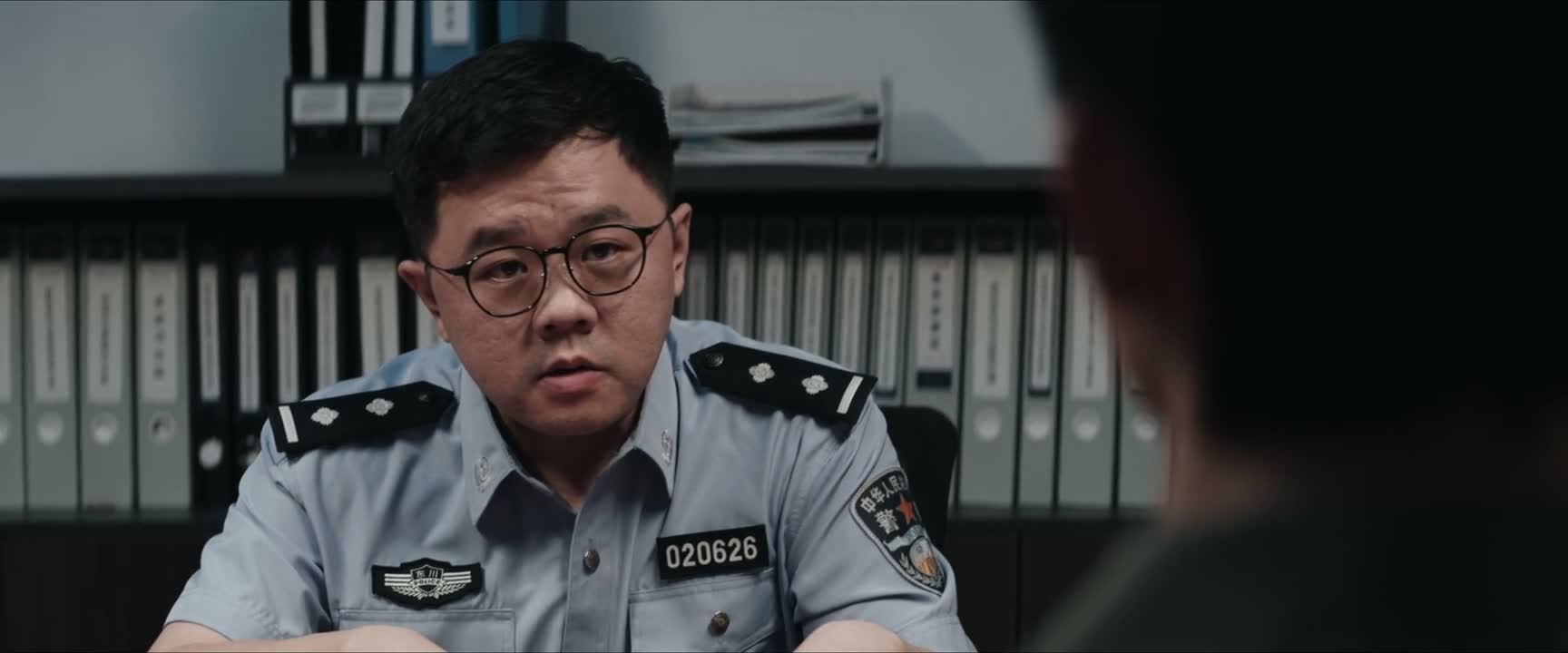
可惜只有死者的颅骨
“But we only have the skull,”
《The Imperial Coroner》
S2·E1
TIMECODE: 36:27
·
1080P MASTER AUDIO
THE DIALOGUE REEL
[-1] PREVIOUS TURN
yǒu kě néng
有可能
“It's possible.”
kě xī zhǐ yǒu sǐ zhě de lú gǔ
CURRENT FOCUS
可惜只有死者的颅骨
“But we only have the skull,”
[+1] FOLLOW-UP TURN
méi bàn fǎ pàn duàn tā shì zěn me diào xià qù de
“so we can't tell how he fell.”
Subtitles synced to millisecond timecode
Browse Show Clips →
Scene:
Legal & Police
Function:
STATING LIMITATIONS
Tone:
OBJECTIVE
Emotion:
REGRET
WHAT THEY REALLY MEAN (PRAGMATIC SUBTEXT)
Direct spoken expression in this communicative setting.
💡 Cultural Insight: Traditional Forensic Examination
In ancient Chinese investigative dramas, coroners (wuzuo) heavily rely on bone examination when flesh has decomposed, showing the procedural rigor of historical crime-solving.
INTENT TAGS:
#lamenting
#evidence_analysis
#case_solving
#stating_facts
🧩
2 CHUNKS · 0 PARTICLES
LEARNING CHUNKS & PARTICLES
可惜
SPOKEN CHUNK
unfortunately / it's a pity that
Placed at the start of a clause to express regret over an unfavorable condition or missing element.
死者
SPOKEN CHUNK
the deceased / the victim
A formal and clinical term used in legal, investigative, and medical contexts to refer to a dead person.
🏮
2 EXPR · 5 GRAMMAR
VOCABULARY & EXPRESSIONS
COLLOQUIAL EXPRESSIONS:
GRAMMAR BLUEPRINTS:
CROSS-CINEMA CORPUS BOARD · PARALLEL SCENES
EXPLORE BY SEMANTIC SIMILARITY
Parallel Spoken Cinema Scenes (语义近邻切片)
《The Imperial Coroner》 S2·E1 (36:27) · Authentic Cinema Dialogue Corpus