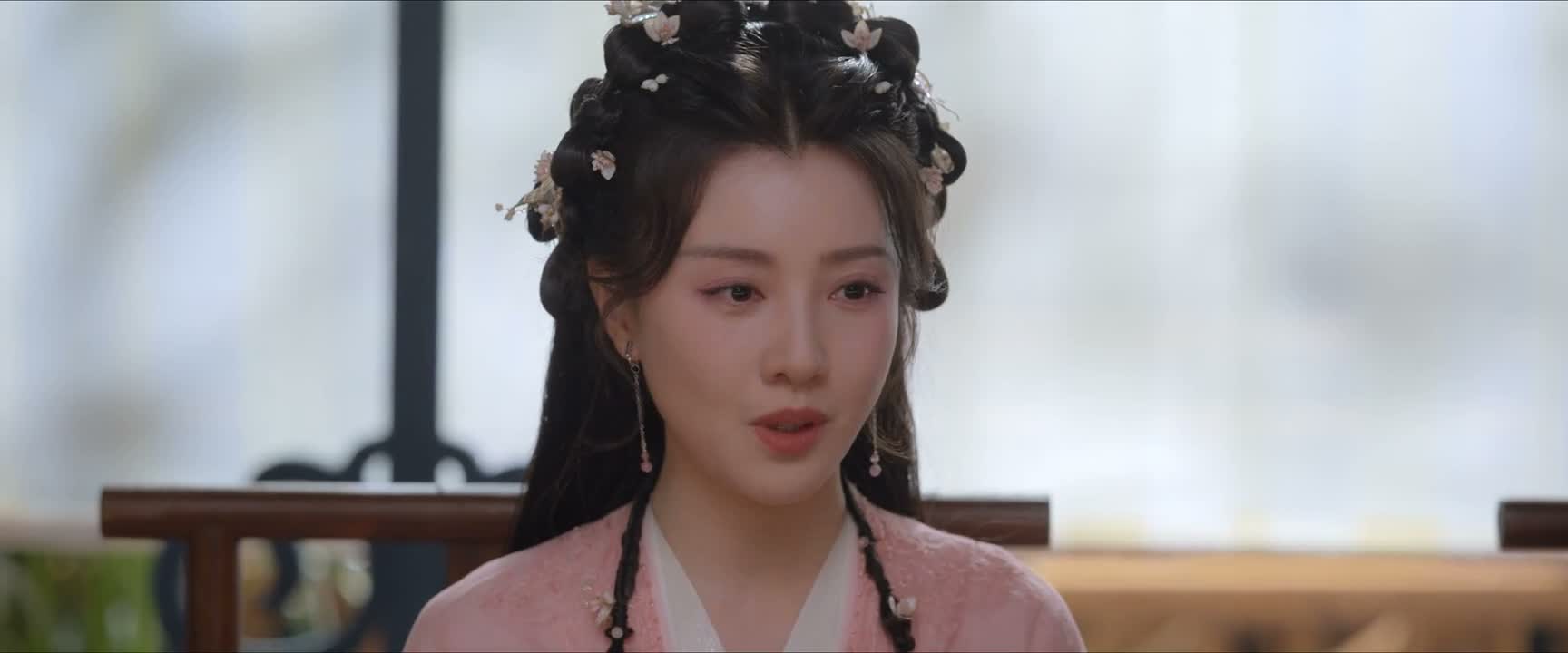
你爸当时出事的时候你是忘了吗
“Did you forget about your dad's accident?”
THE DIALOGUE REEL
你爸当时 出事 的时候 你是忘了吗
“Did you forget about your dad's accident?”
“You don't remember anything, right? I handled your dad's affairs!”
“You owe me everything for rescuing your family back then, so stop defying me.”
In Chinese relational culture, helping a relative through a catastrophic event creates deep moral obligations (enqing); acting defiance against a benefactor is viewed as severe ingratitude.
LEARNING CHUNKS & PARTICLES
to meet with a mishap; to have an accident or trouble occur
A ubiquitous spoken term referring to serious emergencies, accidents, or legal troubles.
did you forget?; have you forgotten?
A rhetorical question often used aggressively to invoke past favors, promises, or lessons.
Forms a sharp rhetorical question intended to shame the listener rather than genuinely seek confirmation.
VOCABULARY & EXPRESSIONS
Parallel Spoken Cinema Scenes (语义近邻切片)

“I finally understand why you didn't call the police last time.”

“You don't remember how you hurt others!”

“Then what exactly happened back then?”
“I had an incident years ago.”

“I shouldn't have saved you years ago.”

“It seems you don't know what happened.”