真多事 那你现在还是怪我了
“So nosy. You're blaming me?”
THE DIALOGUE REEL
我跟他说的呀 要不然刘柱 怎么会放弃啊
“I told him. Or Liu Zhu wouldn't give up.”
真多事 那你现在还是 怪我 了
“So nosy. You're blaming me?”
干吗 你后悔了
“What? You regret it?”
“You were poking your nose where it didn't belong, and now you have the nerve to blame me?”
Chinese social relationships walk a fine line between enthusiastic concern (re-xin) and unwelcome meddling (duoshi); crossing the line often sparks friction when things turn sour.
LEARNING CHUNKS & PARTICLES
so meddlesome; constantly making trouble out of nothing
A blunt critique aimed at someone who intervenes unnecessarily in others' business.
blame me; put the fault on me
Used in spoken Chinese to acknowledge, deflect, or confront accusations of fault.
Indicates an emergent stance or state of blaming.
VOCABULARY & EXPRESSIONS
Parallel Spoken Cinema Scenes (语义近邻切片)
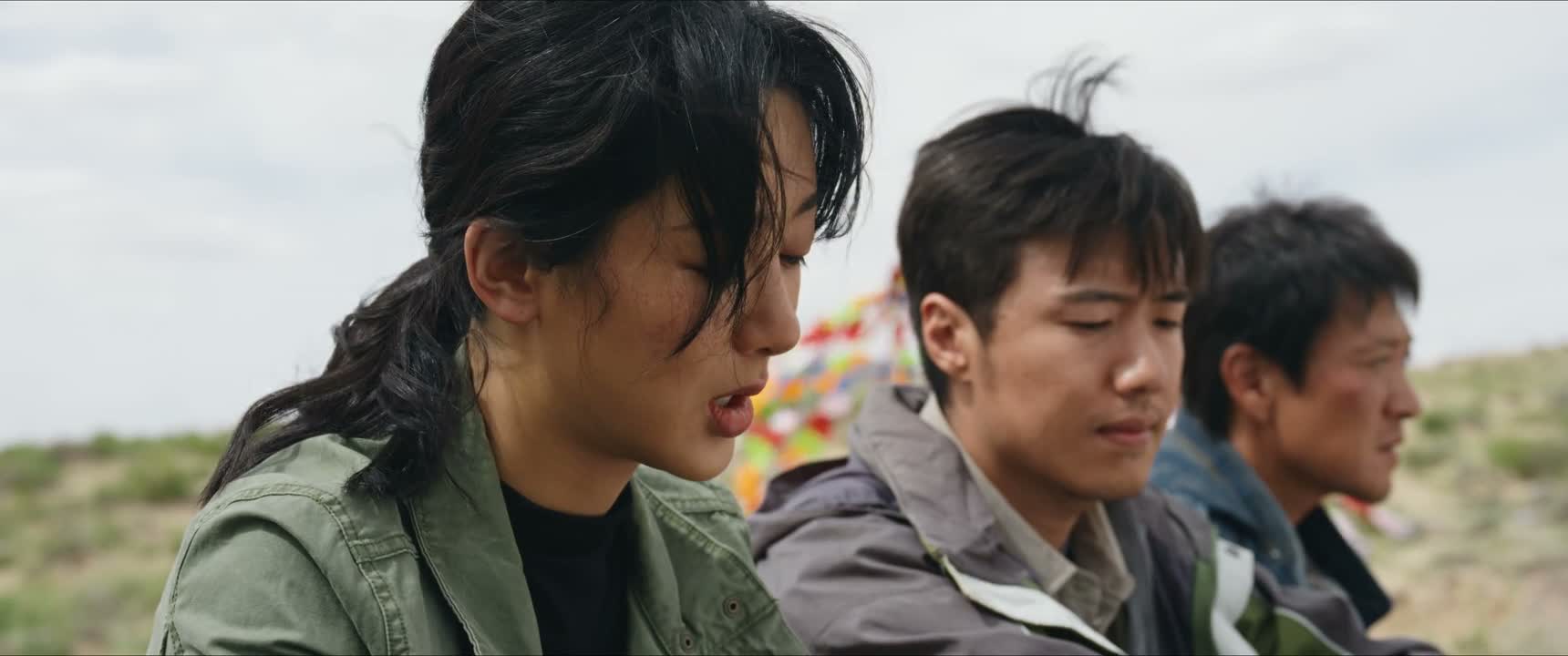
“so many troubles back then.”

“If something had happened, you would have said bad things about him. I know Zhao Hengzhi”

“I really don't know anything about his business.”

“What is it? These model operas can't go on now.”
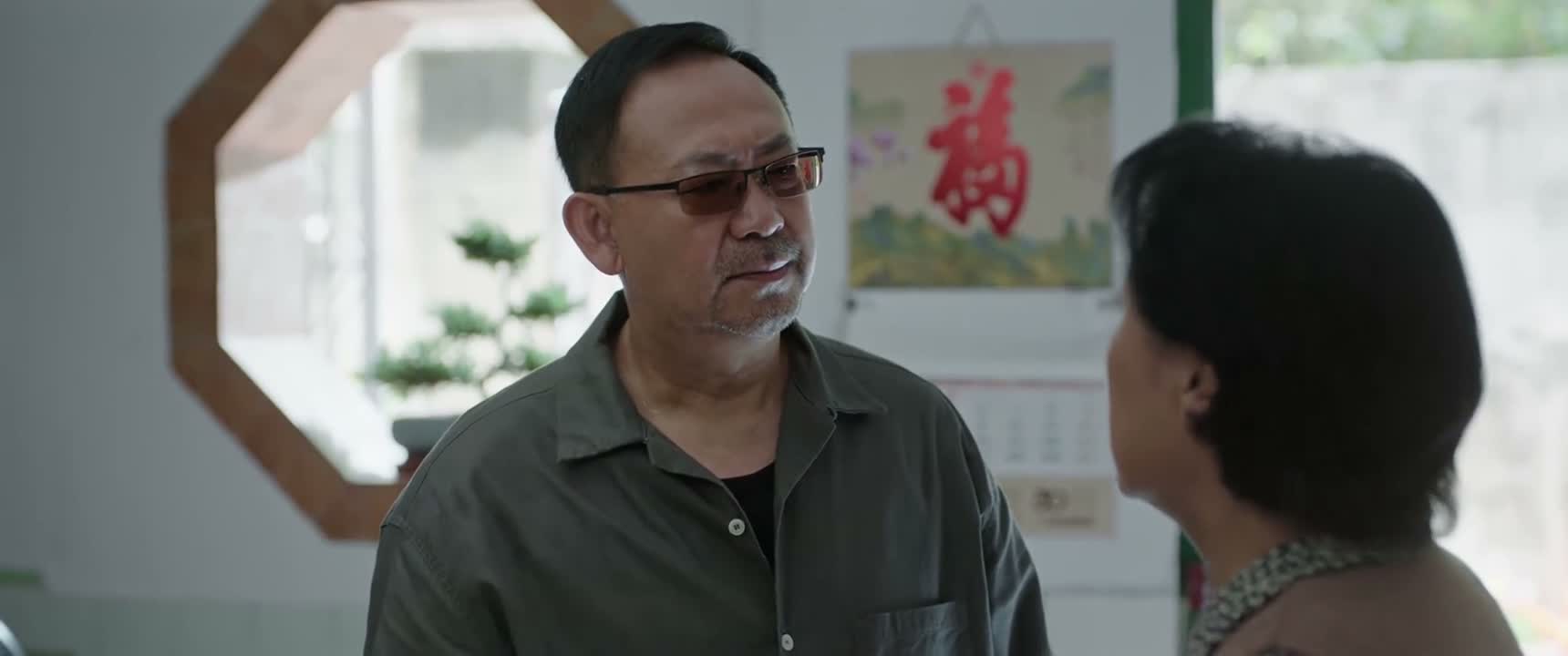
“If something really happened,”

“Really, if there's anything, just tell me.”