谁还能骑他的摩托车呢
“who else could ride his motorcycle?”
THE DIALOGUE REEL
不过除了井上队长
“But besides Captain Inoue,”
谁还能 骑他的 摩托车呢
“who else could ride his motorcycle?”
这个问题我也想知道
“I'd like to know that too.”
“Think about it, only an insider could have taken that bike.”
In Chinese detective and investigative contexts, rhetorical questions using modal particles are commonly used to prompt peers to co-deduce rather than bluntly presenting conclusions.
LEARNING CHUNKS & PARTICLES
who else could possibly
Used in rhetorical questions to emphasize that no one else fits the condition or has the ability.
Softens the rhetorical question while inviting the listener to ponder the open puzzle.
VOCABULARY & EXPRESSIONS
Parallel Spoken Cinema Scenes (语义近邻切片)

“My motorcycle is missing, so Ma Kai must have taken it.”
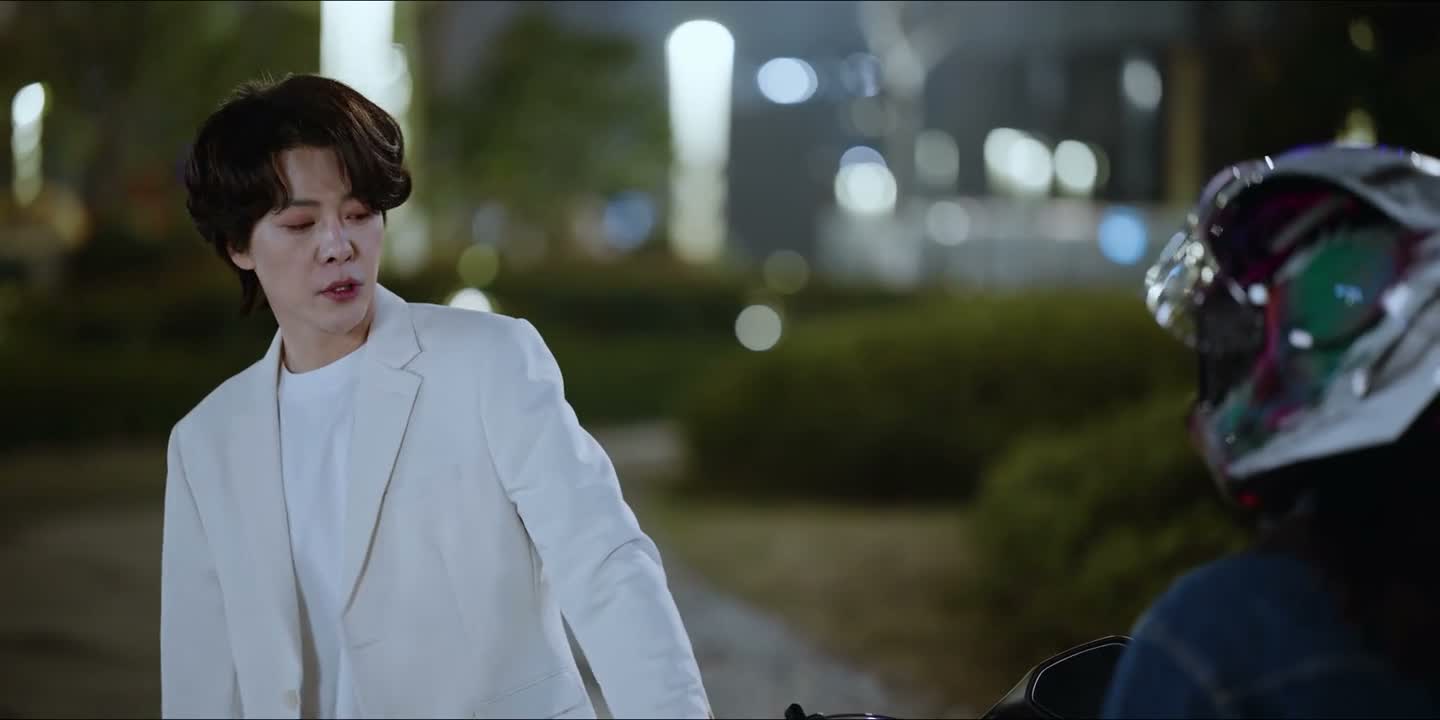
“you'd look pretty cool riding a motorcycle.”

“Where's my motorcycle?”

“How can you let him walk all over us?”
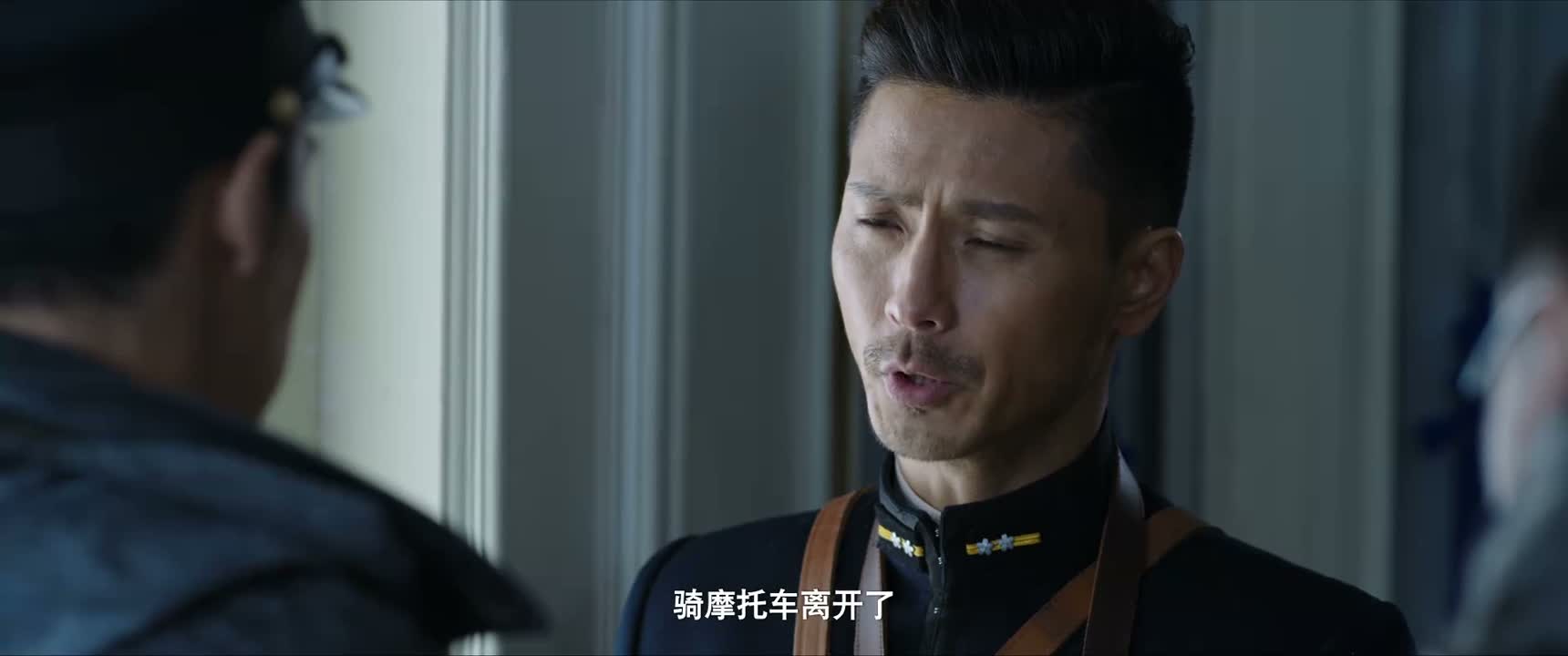
“on his motorcycle.”

“I can even do this. Okay, I believe you.”