干吗呀 别动手动脚的
“Hey, watch your hands.”
THE DIALOGUE REEL
干吗呀 别动手 动脚的
“Hey, watch your hands.”
“Please move. That's my seat.”
Direct spoken expression in this communicative setting.
Calling out '动手动脚' in crowded public spaces like trains instantly establishes a defensive perimeter and publicly calls out inappropriate physical boundary violations.
LEARNING CHUNKS & PARTICLES
to get handsy / to touch someone inappropriately
A strong colloquial idiom used to rebuke someone for uninvited physical contact or inappropriate touching.
what do you think you're doing?
A common irritated challenge used when someone does something offensive or intrusive.
Heightens the speaker's sharpness and startled annoyance.
Emphasizes the negative quality of the ongoing behavior in '别动手动脚的'.
VOCABULARY & EXPRESSIONS
Parallel Spoken Cinema Scenes (语义近邻切片)

“What's wrong? What are you doing? Just relax. This is?”
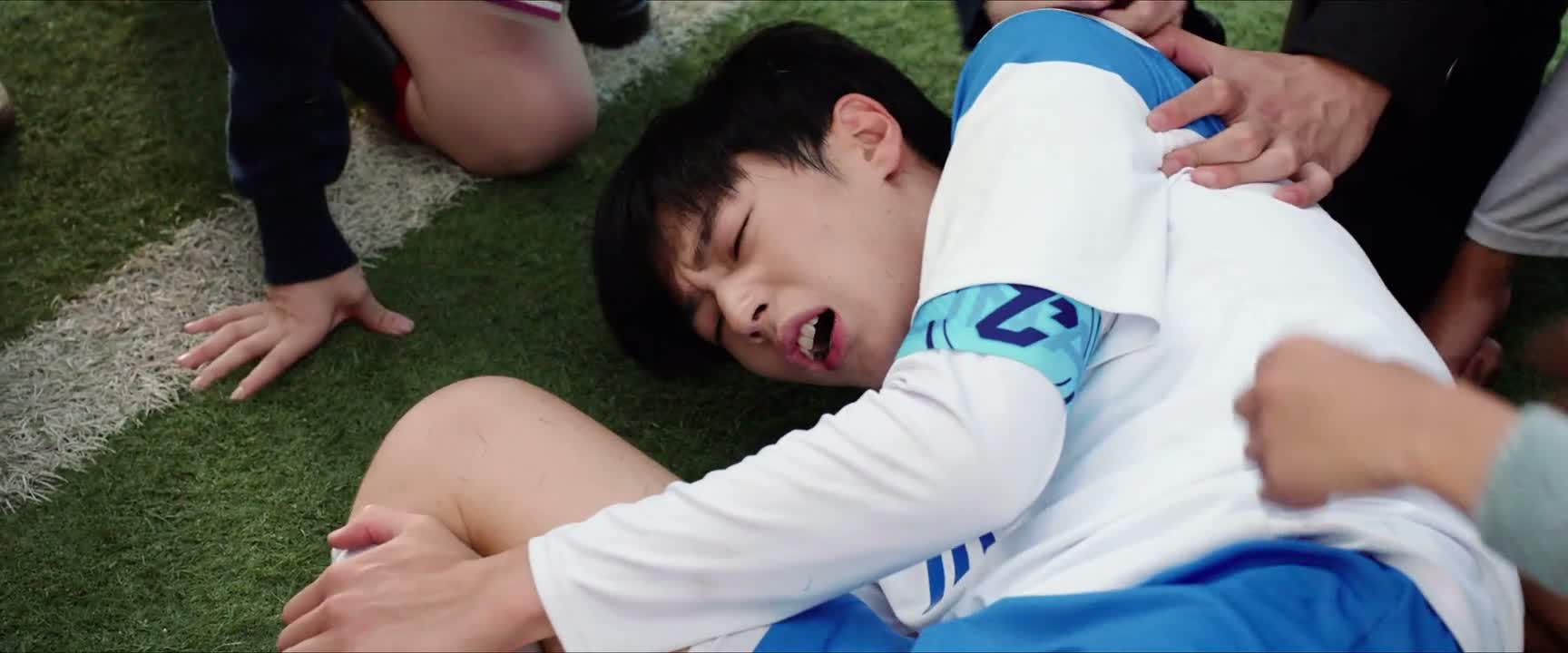
“My foot... Hold still. Don't move.”

“What are you doing? Let's go.”

“What are you doing? Hurry up.”

“What's the matter? You're not quite yourself today.”

“What are you doing? You scared me!”