麻烦你让让 这是我的座位
“Please move. That's my seat.”
THE DIALOGUE REEL
麻烦你让让 这是我的座位
“Please move. That's my seat.”
你可真有意思 火车上的座位谁先坐着谁的
“You're funny. On a train, whoever sits first owns it.”
“You are sitting in my assigned seat, so get up now.”
Disputes over passengers occupying unassigned or others' seats on crowded trains have historically been a common social friction point in Chinese public transit.
LEARNING CHUNKS & PARTICLES
could you please / excuse me
A polite formula used before requesting someone to do something that inconveniences them.
this is my seat
A direct, clear assertion of assigned seat entitlement on public transport.
VOCABULARY & EXPRESSIONS
Parallel Spoken Cinema Scenes (语义近邻切片)
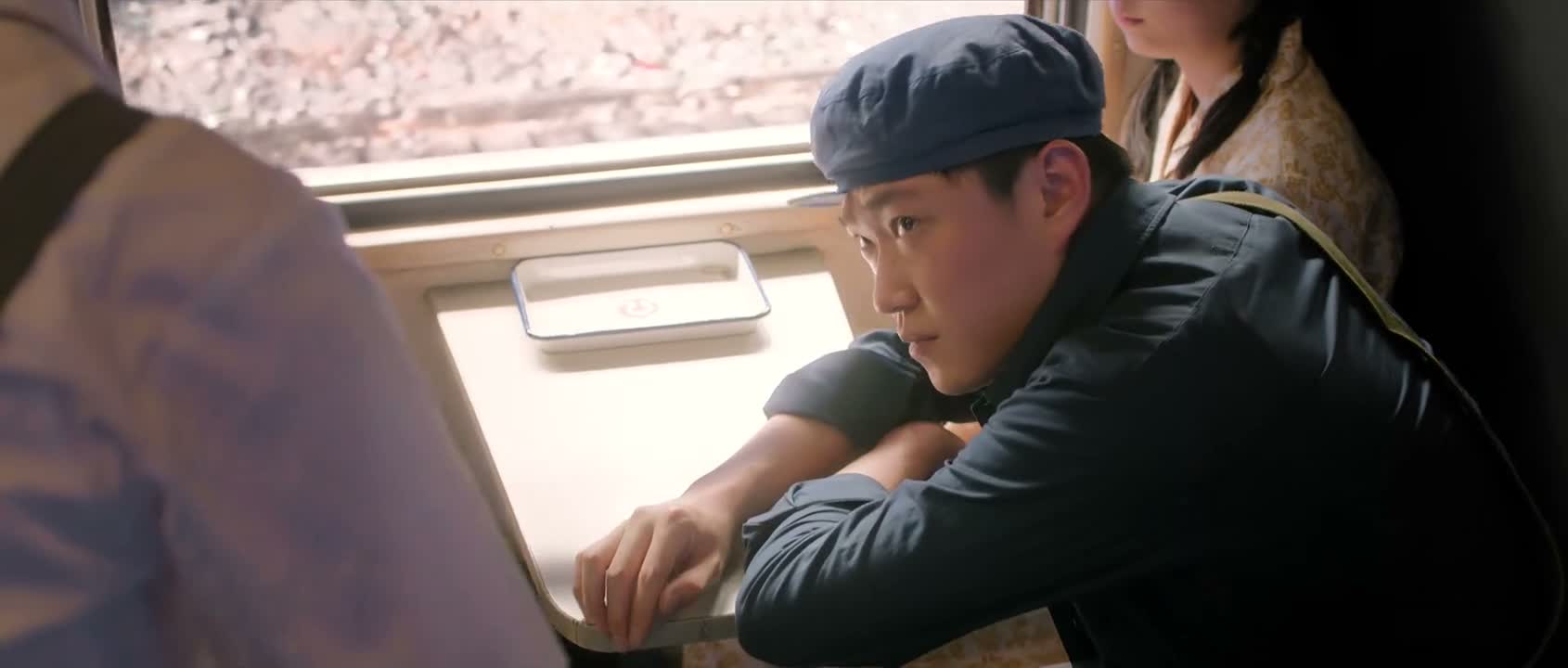
“Hello, that's my seat.”

“Sir, you took the wrong seat. This is my seat.”
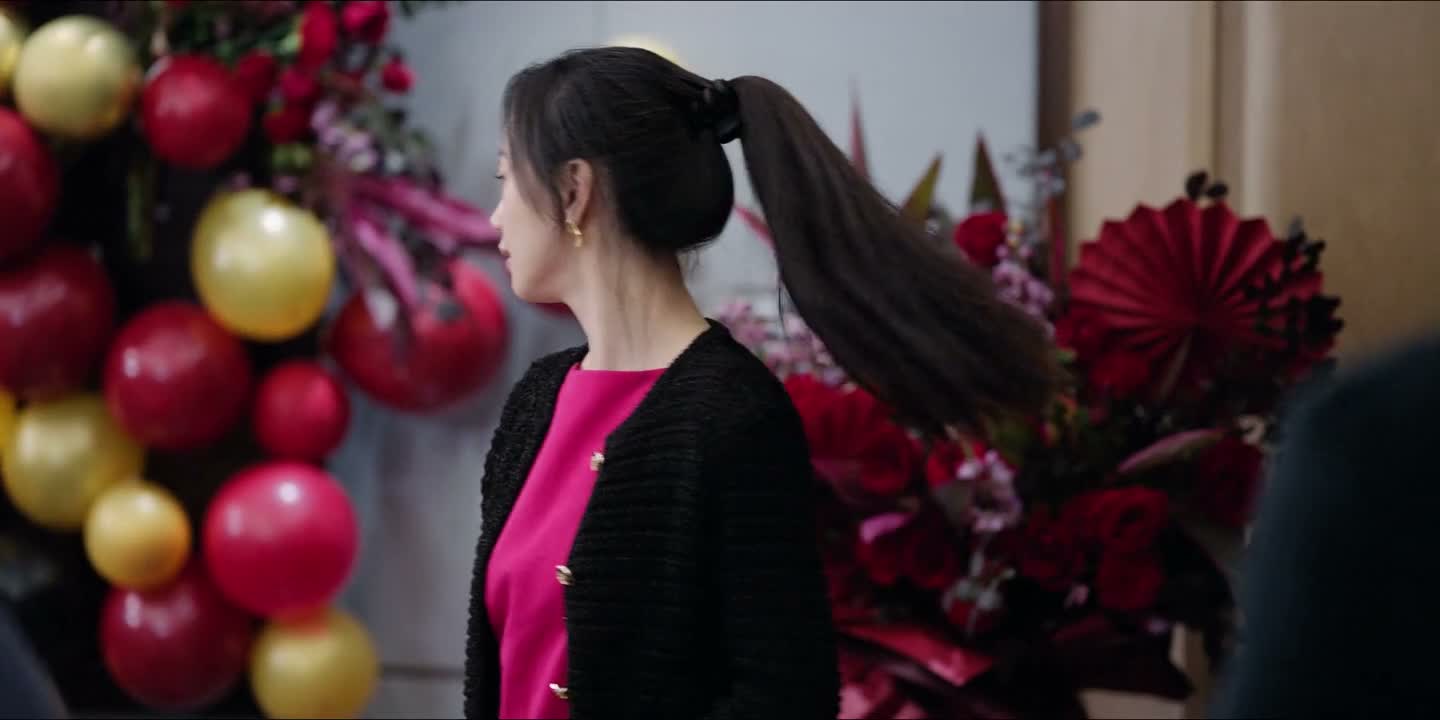
“How can we let you give your seat to the guest?”

“Your requested seat from last time is ready for you.”