别动手
bié dòng shǒuCommon spoken expression used by native Chinese speakers in daily life.
[Scene: 其他场景]
(11 clips) 00:02
 00:02
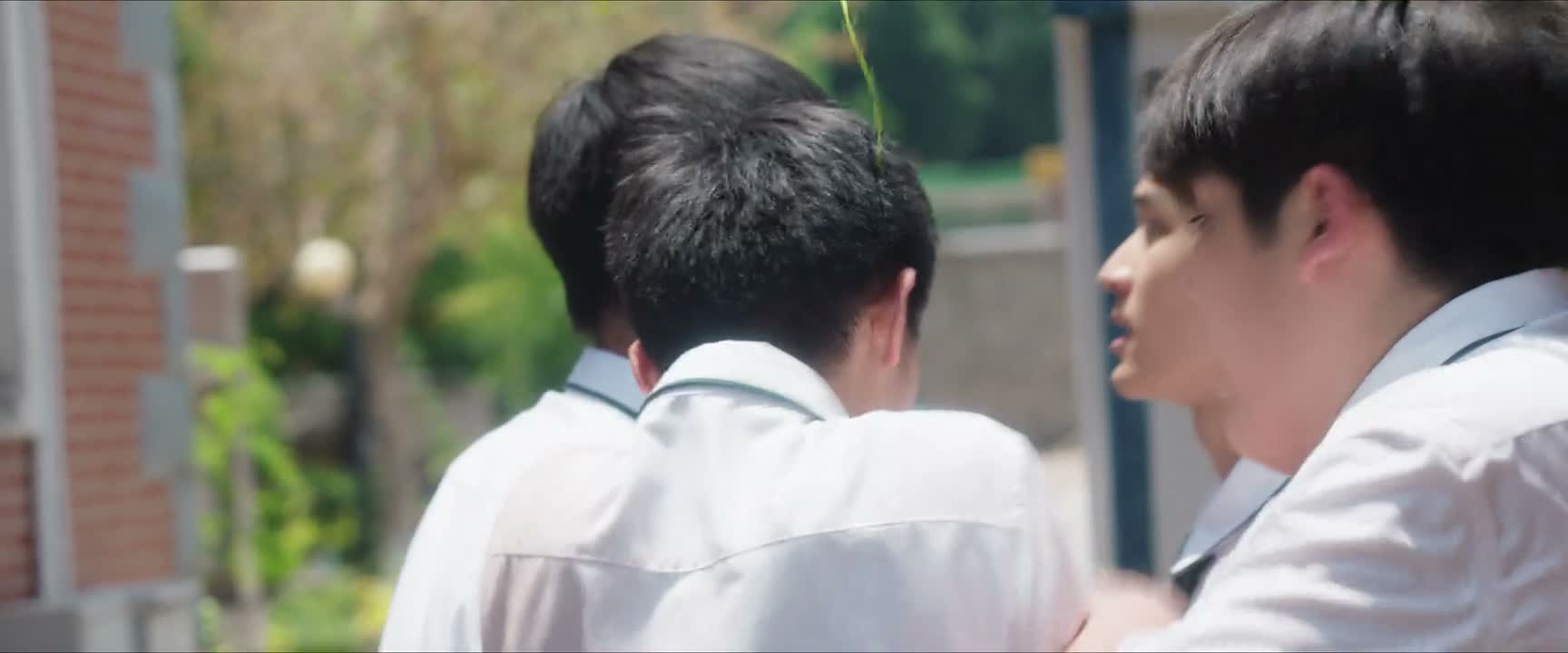 00:03
(出去给八中丢脸 你说谁丢脸啊 放开) ── Previous context
“-Don't start a fight! -What are you doing? -Back off! -You wanna fight?”
 00:03
(你不要动手动脚 你想清楚什么 白芍 给次机会) ── Previous context
“Don't touch her! Harassing her in broad daylight? No.”
 00:02
(出发 走 走 走 你有话好好说 出去) ── Previous context
“Get out! Get out! Can you please not lay a hand on her? Stop pushing me!”
 00:03
(滚出去 老韩 滚出去 打这个林县长) ── Previous context
“Hit him! Hit him! Get the hell out! Han. What are you doing? Don't fight.”
 00:02
(谁让你在法院门口闹事了 你不不管我的事了吗) ── Previous context
“Aren't you handling my case anymore? I'll handle it myself. Don't use force.”
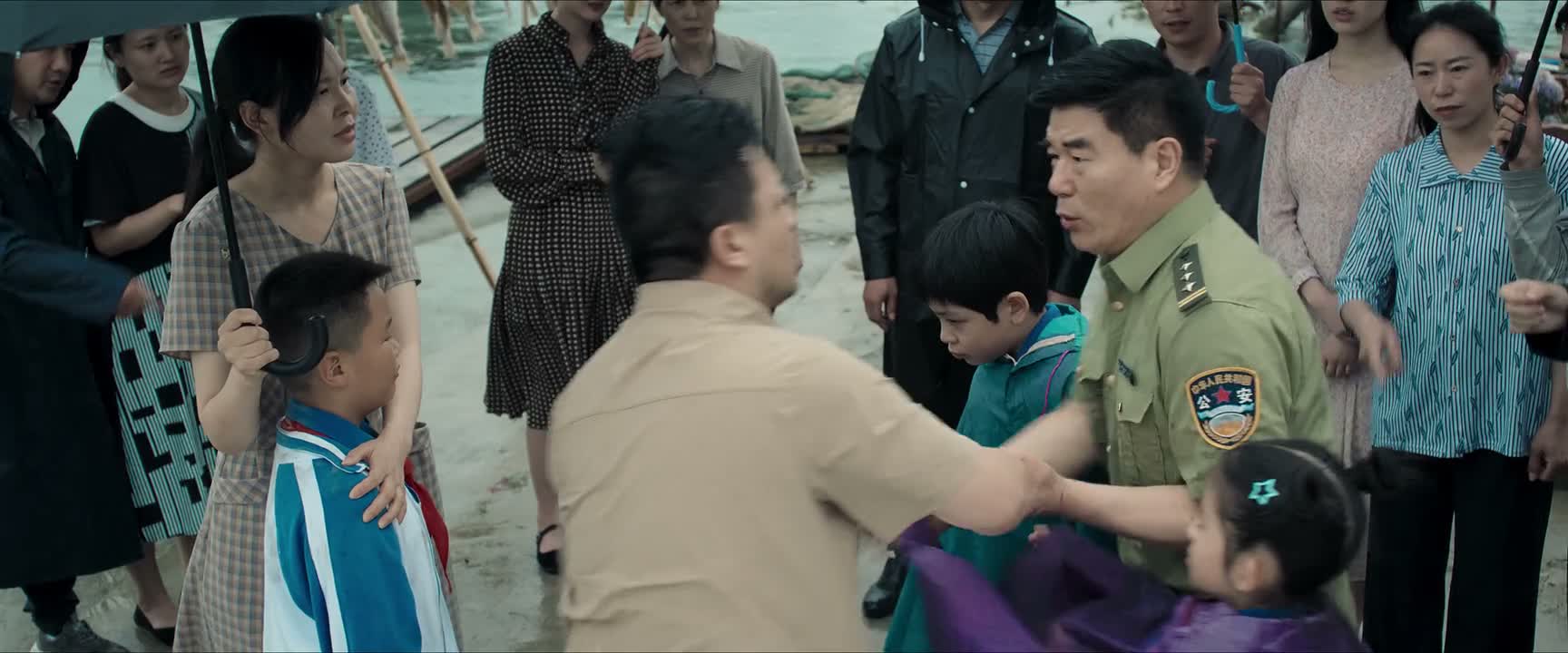 00:02
(同志同志同志) ── Previous context
“Don't get physical. Let's talk this through. Adults shouldn't bully children!”
 00:02
 00:03
(叔) ── Previous context
“Let's talk. Don't get physical. Why are you so hot-tempered?”
 00:03
[Scene: 家庭日常]
(1 clips) 00:02
[Scene: 出行交通]
(1 clips) 00:02
📌 没事
→Nuance: 主动揽下事情,意图和表达一致
📌 来来来
→Nuance: 同为控场劝止,侧重听讲
📌 来来来
→Nuance: 核心交际意图完全一致
📌 听见没有
→Nuance: 同向近义词根配对: [听见 ↔ 听到]
📌 我跟你说
→Nuance: 同为劝阻动手,口吻更克制委婉
📌 我跟你说
→Nuance: 核心均是劝阻动手和注意说话
📌 不许
→Nuance: 同为劝架阻拦动手,核心意图一致
📌 好朋友
→Nuance: 同向近义词根配对: [打架 ↔ 动手]
📌 放手
→Nuance: 制止对方动作,意图一致