学会讲价了是不是 你教的
“So you've learned to bargain now? You taught me.”
THE DIALOGUE REEL
方穆扬
“Fang Muyang.”
学会讲价 了 是不是 你 教的
“So you've learned to bargain now? You taught me.”
对 这个确实得学 以后用得上
“Fair enough. That's a useful skill. You'll need it.”
“Look at you becoming so street-smart; I bet you were the bad influence!”
In Chinese everyday life, bargaining in traditional markets is seen as an essential practical life skill rather than mere stinginess.
LEARNING CHUNKS & PARTICLES
learned how to bargain or haggle
Used to describe picking up the practical skill of negotiating prices in daily shopping.
right? / isn't it?
A tag question placed at the end of a sentence to seek confirmation or invite an informal response.
Indicates a change of state, highlighting the newly acquired ability to bargain.
VOCABULARY & EXPRESSIONS
Parallel Spoken Cinema Scenes (语义近邻切片)

“There's no room for negotiation. I won't lower my quality standards.”
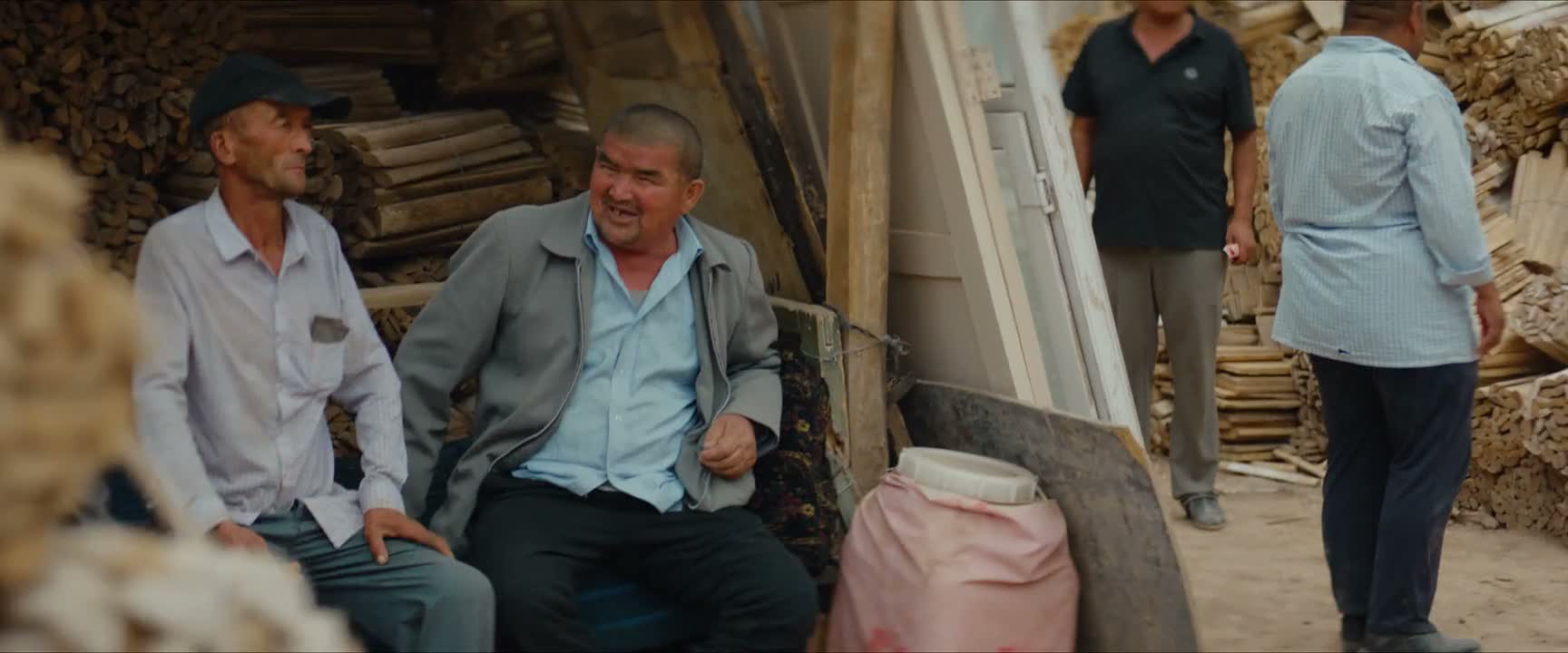
“Stop bargaining. Let's settle it like this.”