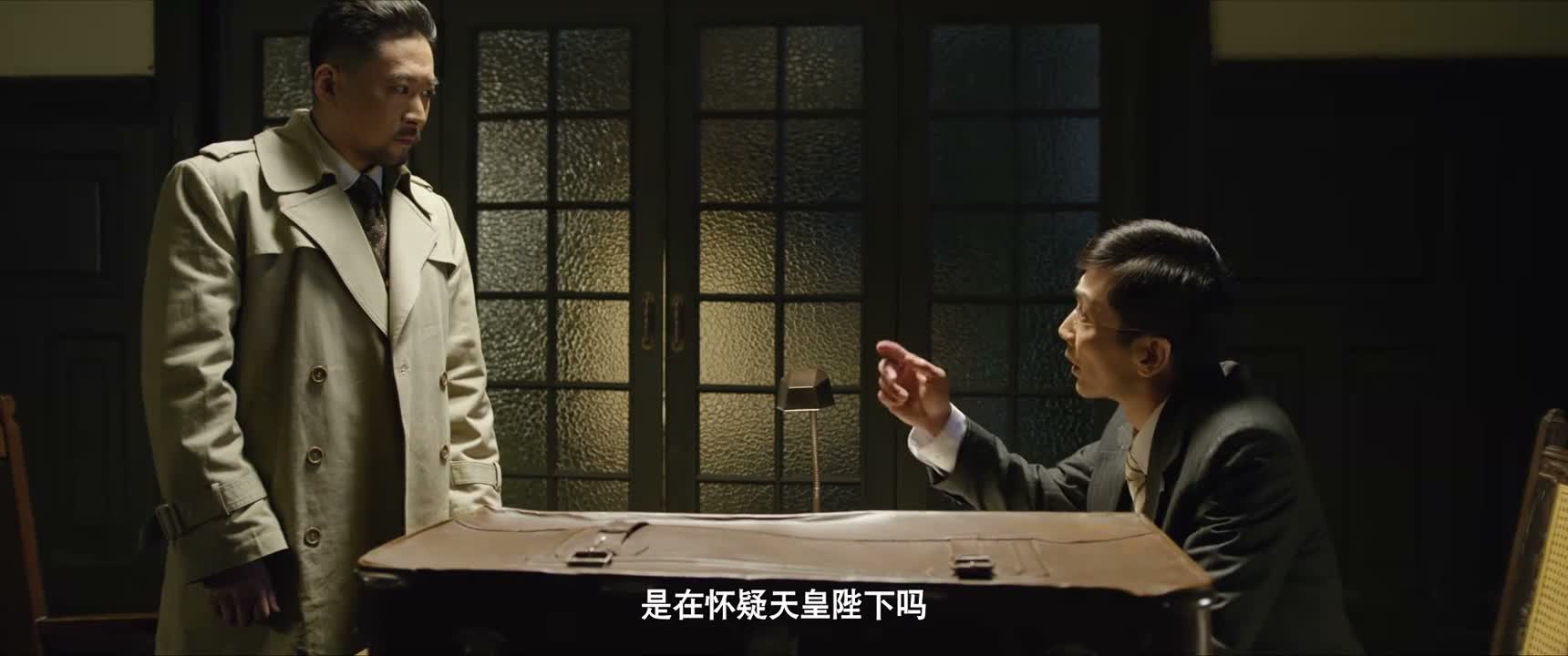
《Ashes to Crown》 S1·E6 (31:33)
HSK 6
nán bù chéng hái yào wǒ qù zhì yí tiān zi ?
难不成还要我去质疑天子?
“Who am I to challenge the throne?”
《Ashes to Crown》
S1·E6
TIMECODE: 31:33
·
1080P MASTER AUDIO
THE DIALOGUE REEL
[-1] PREVIOUS TURN
shè miǎn xiāo xún huí guī xiāo nán jùn cǐ nǎi bì xià zhǐ yì
赦免萧珣回归霄南郡 此乃陛下旨意
“His Majesty decreed Xiao Xun's pardon and return.”
nán bù chéng hái yào wǒ qù zhì yí tiān zi ?
CURRENT FOCUS
难不成 还要 我去 质疑 天子?
“Who am I to challenge the throne?”
[+1] FOLLOW-UP TURN
dǎo shì xiè dà rén
倒是谢大人
“Word has it you've set your sights”
Subtitles synced to millisecond timecode
Browse Show Clips →
Scene:
Historical & Court
Function:
RHETORICAL DEFENSE
Tone:
SHARP AND RHETORICAL
Emotion:
DEFENSIVENESS
WHAT THEY REALLY MEAN (PRAGMATIC SUBTEXT)
“Don't blame me; unless you want to commit treason by disobeying the Emperor, back off.”
💡 Cultural Insight: Imperial Infallibility and Political Shields
In imperial China, challenging the Emperor ('Tianzi') was treasonous; courtiers frequently cited the sovereign's will as an unassailable shield to end contentious debates.
INTENT TAGS:
#deflection
#rhetorical_question
#self_defense
#invoking_authority
🧩
2 CHUNKS · 0 PARTICLES
LEARNING CHUNKS & PARTICLES
难不成
SPOKEN CHUNK
is it possible that / don't tell me that
Used at the start of a rhetorical question to challenge an absurd proposition or assumption made by the interlocutor.
质疑
SPOKEN CHUNK
to question / to call into question
A formal transitive verb used when raising doubts about authority, decisions, or authenticity.
🏮
4 EXPR · 0 GRAMMAR
VOCABULARY & EXPRESSIONS
COLLOQUIAL EXPRESSIONS:
CROSS-CINEMA CORPUS BOARD · PARALLEL SCENES
EXPLORE BY SEMANTIC SIMILARITY
Parallel Spoken Cinema Scenes (语义近邻切片)
《Ashes to Crown》 S1·E6 (31:33) · Authentic Cinema Dialogue Corpus