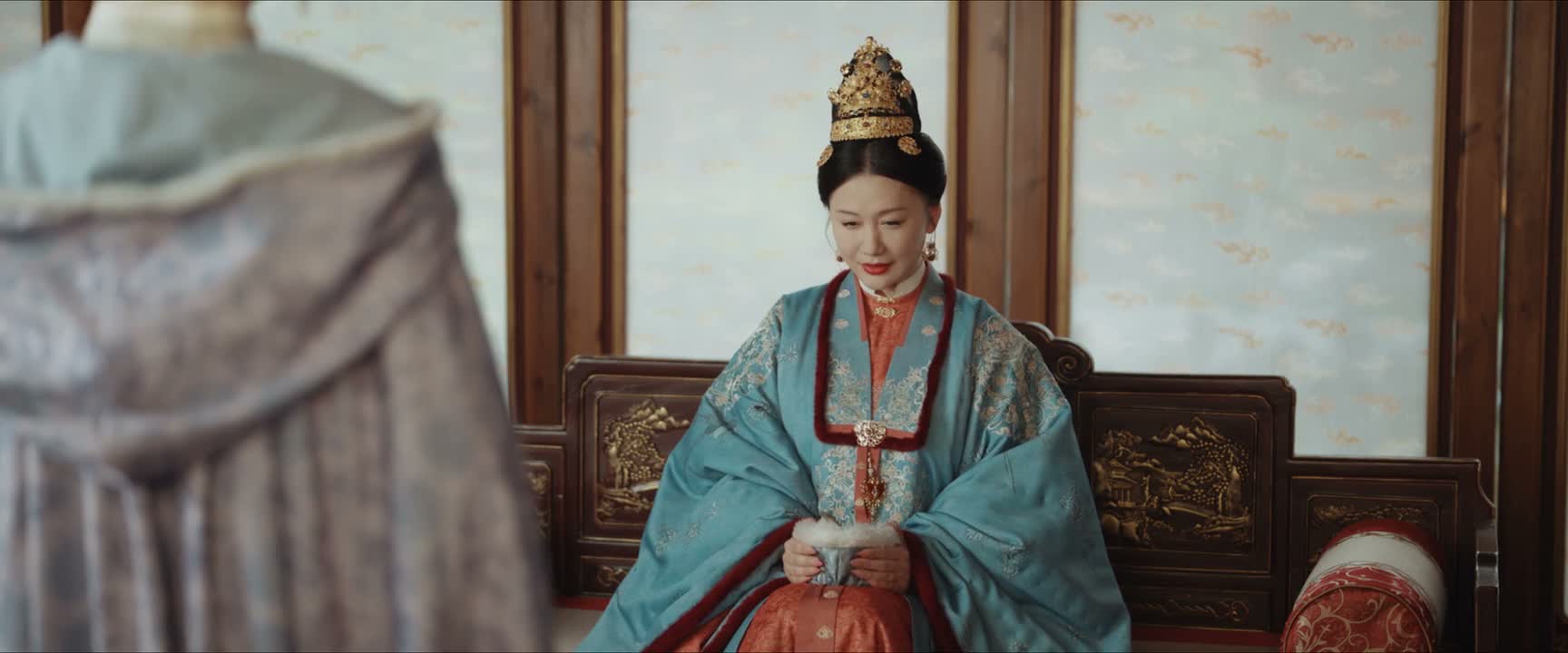
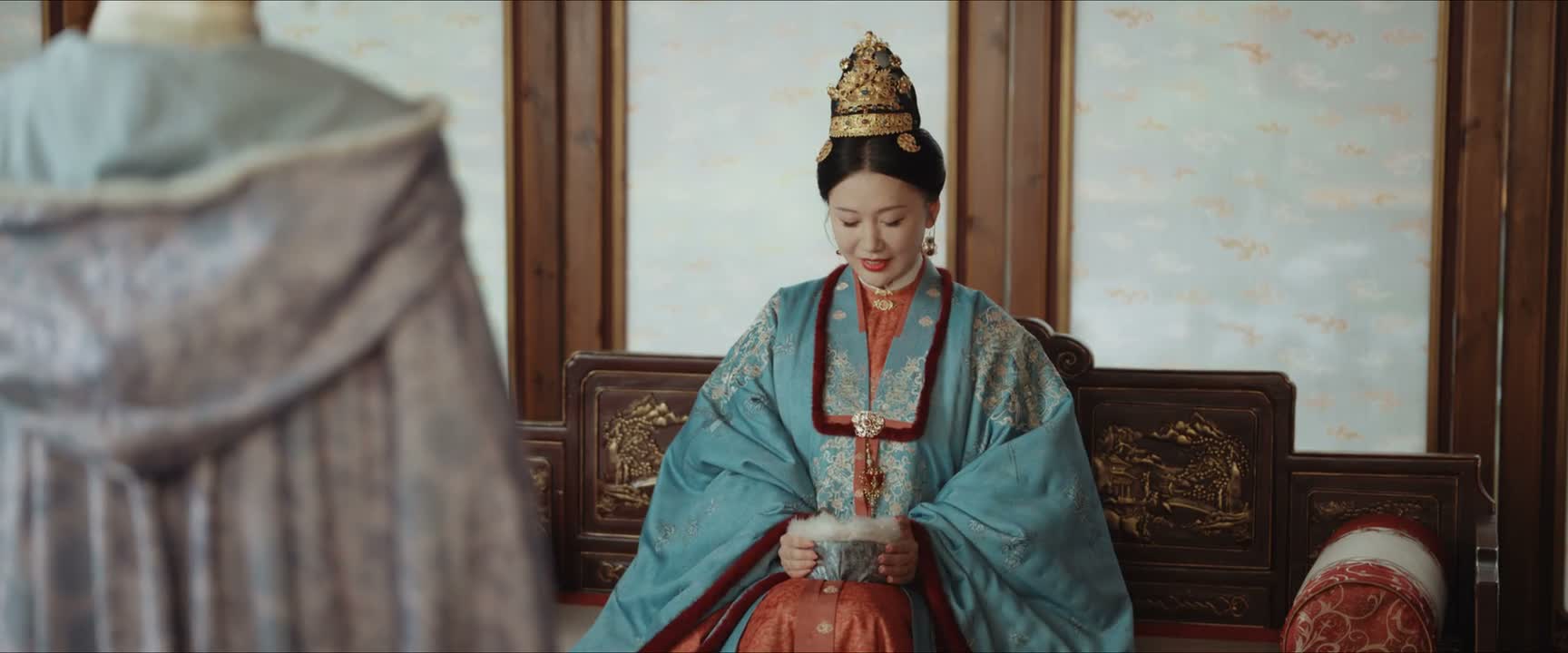
又与本公主何干呀
“have to do with me?”
THE DIALOGUE REEL
戚帅
“What does Marshal Qi”
又 与 本 公主 何干 呀
“have to do with me?”
祯娘听闻 前几年倭寇猖獗 曾一度深入到福建作乱
“I heard that Japanese pirates were rampant a few years ago, and they once invaded Fujian,”
“Why are you bringing this up to me? It is none of my business.”
In imperial Chinese courts, royalty used distinct self-referential terms (like 'ben gong' or 'ben gongzhu') to immediately establish institutional hierarchy and distance from commoners.
LEARNING CHUNKS & PARTICLES
what does it have to do with...
A classical, rhetorical phrasing used to sharply disclaim responsibility or demonstrate utter indifference.
this Princess; I (used by an imperial princess)
A high-register, self-referential title used in period dramas to underscore royal prerogative.
Softens the rhetorical question slightly while adding an airy, dismissive inflection.
VOCABULARY & EXPRESSIONS
Parallel Spoken Cinema Scenes (语义近邻切片)

“You're giving me a hard time.”
“what you can do for me.”
“I'd like to hear”

“But your wedding to Princess Yong'an is near. Why move now?”

“Even if you're not a princess, you don't have to be so humble.”

“about these private matters between the Tian and Du Families?”