你也不愿意欠我钱喔
“than owe me money?”
THE DIALOGUE REEL
卖给一个外人
“to a stranger”
你 也不愿意 欠我钱 喔
“than owe me money?”
你这个看我不起啊
“Are you looking down on me?”
“You'd rather pay an outsider than deal with me because you think you're too good to owe me anything.”
In traditional Chinese culture, mutual indebtedness (owing money or favors) cements relationships; adamantly refusing to owe someone can be interpreted as an aggressive boundary that signals contempt or a refusal to associate.
LEARNING CHUNKS & PARTICLES
owe me money
Standard phrase for carrying a financial debt toward someone.
unwilling to; reluctant to
Used to denote a lack of desire or conscious refusal to perform an action.
Adds a sarcastic, mock-innocent edge to the accusatory rhetorical question.
VOCABULARY & EXPRESSIONS
Parallel Spoken Cinema Scenes (语义近邻切片)
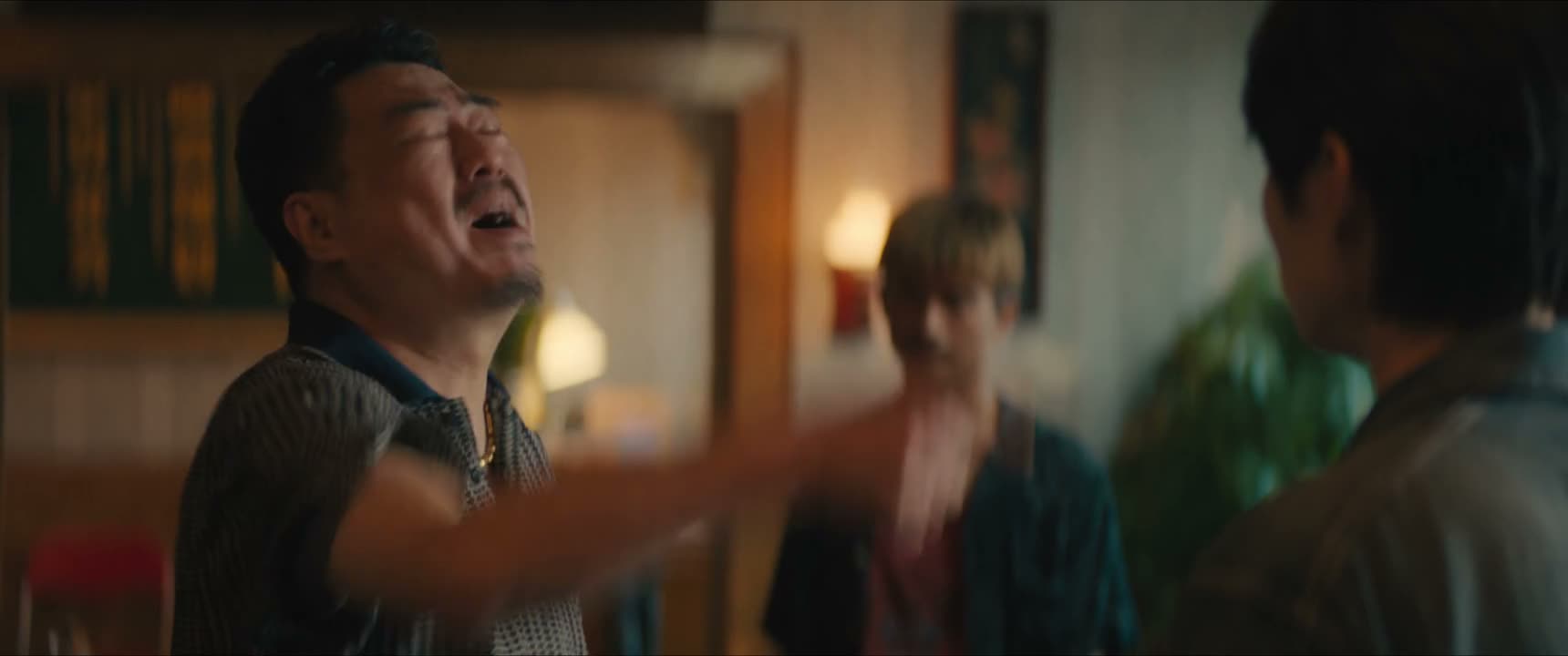
“You still owe me money!”

“I don't even want the money you owe me anymore!”

“at least, I won't owe your sister anything.”

“You can go to them if I don't pay you back.”

“I owe you.”
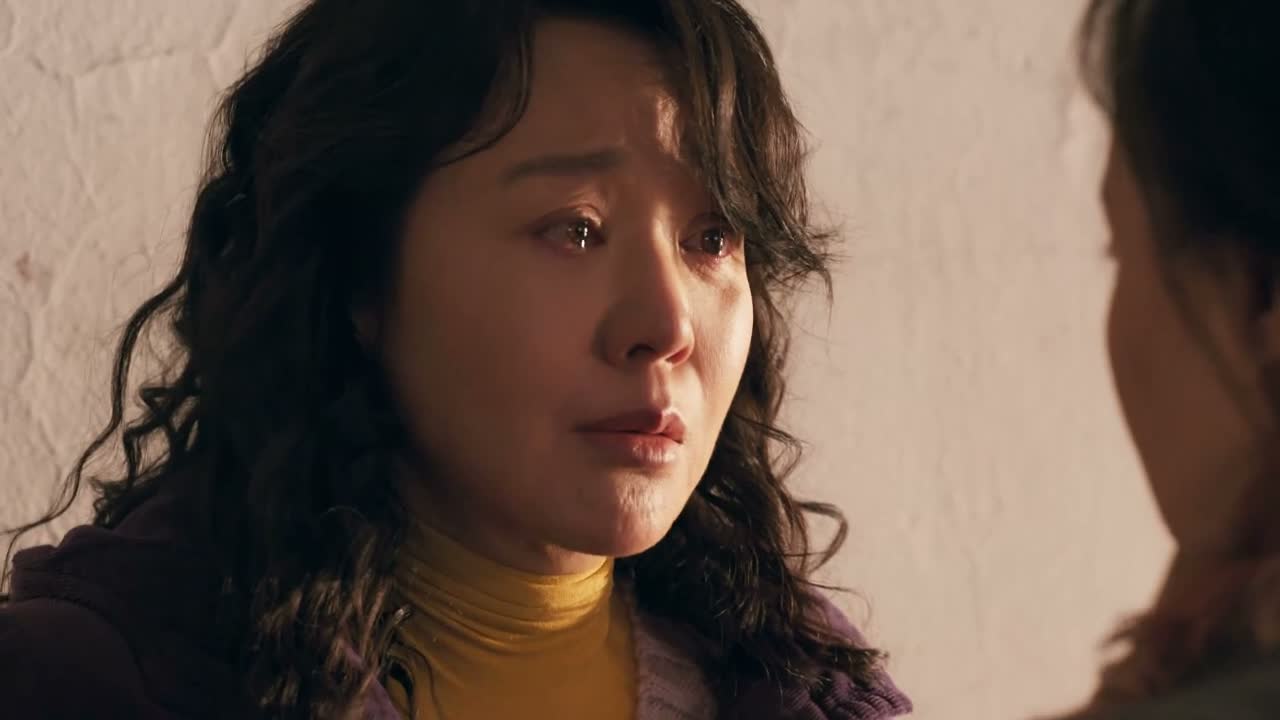
“Yuxiu, I owe you too much.”