MC
MandarinClips Cinema Corpus
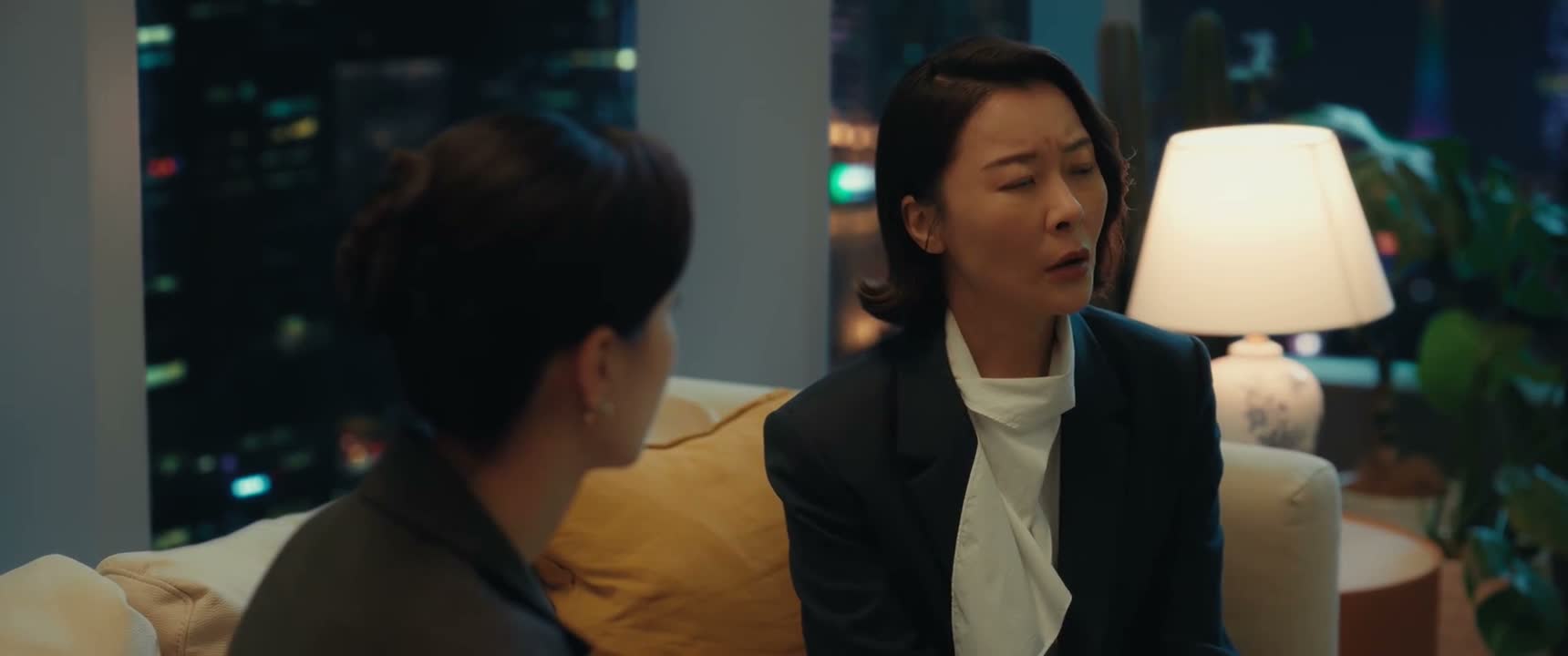
《Agent from Above》 S1·E3 (09:38) HSK 3
gāi bú huì gàn qǐ yǐ qián nà xiē shì ba ?

该不会干起以前那些事吧?

“Have you returned to your old ways?”

《Agent from Above》 S1·E3
TIMECODE: 09:38 · 1080P MASTER AUDIO

THE DIALOGUE REEL

1+1+1 SPOKEN CONTINUITY
[-1] PREVIOUS TURN nǐ zhè jǐ nián shì fā le a ? miào gài zhè me dà

“You must be rich now. - Huh? - This big temple.”

gāi bú huì gàn qǐ yǐ qián nà xiē shì ba ? CURRENT FOCUS

该不会 干 起 以前那些事 吧?

“Have you returned to your old ways?”

[+1] FOLLOW-UP TURN méi yǒu la jié gē nǐ bú yào wù huì la

没有啦 杰哥 你不要误会啦

“Oh, no. No way. I'm not like that. Hey, Han.”

Subtitles synced to millisecond timecode Browse Show Clips →
Scene: Legal & Police
Function: PROBING SUSPICION
Tone: CONFRONTATIONAL
Emotion: SUSPICION
WHAT THEY REALLY MEAN (PRAGMATIC SUBTEXT)
“You didn't get this rich legally; are you back to your criminal ways?”
💡 Cultural Insight: Euphemistic Accusation

Chinese speakers often refer to past illegal or morally questionable activities vaguely as 'those things' (那些事) to avoid overt legal terminology while making their meaning entirely clear.

INTENT TAGS: #suspicion #probing #confrontation #skepticism
🧩

LEARNING CHUNKS & PARTICLES

2 CHUNKS · 1 PARTICLES
该不会 SPOKEN CHUNK

could it be that; don't tell me that

A rhetorical hedge frequently used to introduce a strong, undesirable suspicion.

那些事 SPOKEN CHUNK

those things; those shady deeds

Used as a euphemism to refer to illicit, illegal, or socially taboo past actions without naming them explicitly.

Modal Particle「吧」 (ba) CHANGE OF STATE

Softens the accusation into a speculative confirmation check while maintaining suspicious pressure.
🏮

VOCABULARY & EXPRESSIONS

2 EXPR · 11 GRAMMAR
CROSS-CINEMA CORPUS BOARD · PARALLEL SCENES

Parallel Spoken Cinema Scenes (语义近邻切片)

EXPLORE BY SEMANTIC SIMILARITY
《Agent from Above》 S1·E3 (09:38) · Authentic Cinema Dialogue Corpus