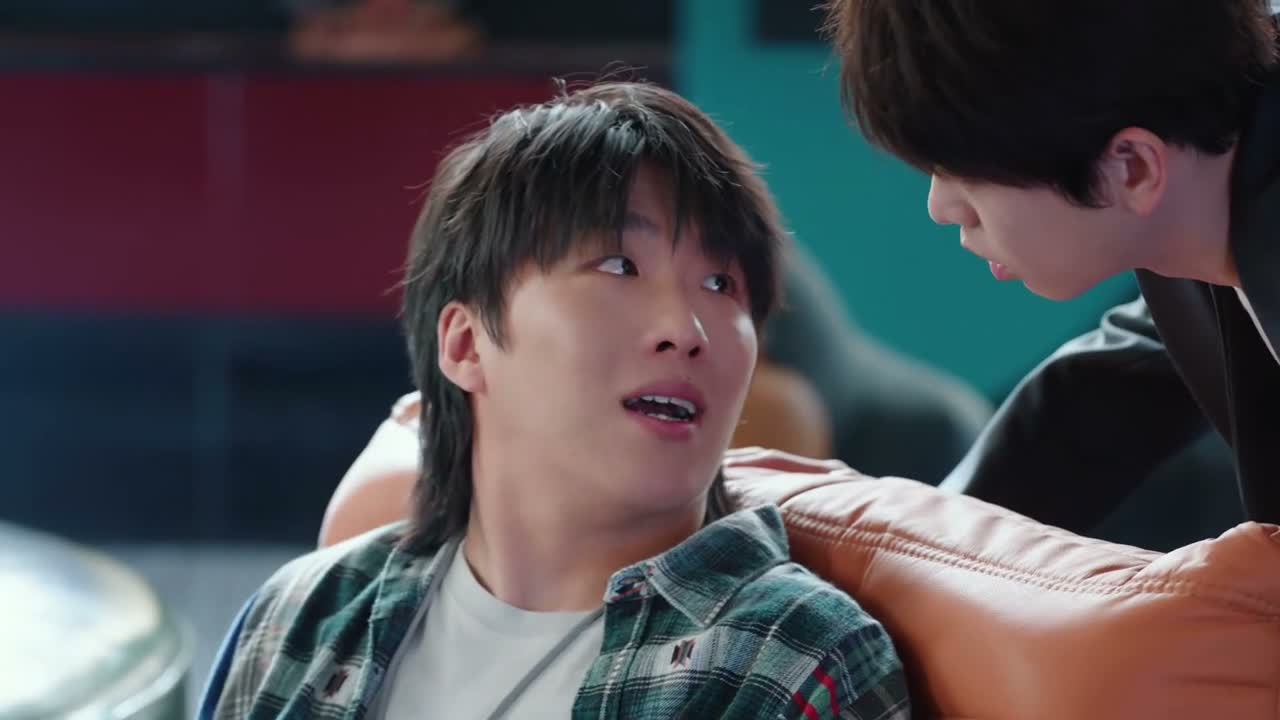
你干啥呀 你给我鞋扔了干吗 你都有新的了
“Hey, why did you throw away my shoes? You have new ones now. Why keep the old ones?”
THE DIALOGUE REEL
去吧
“Go on.”
你干啥 呀 你给我 鞋 扔了干吗 你都 有 新的了
“Hey, why did you throw away my shoes? You have new ones now. Why keep the old ones?”
还要旧的干啥呀
“You have new ones now. Why keep the old ones?”
“Stop fussing over old junk; you already have brand-new shoes!”
Tensions over discarding worn-out possessions are typical in Chinese domestic life, reflecting differences between traditional frugality and modern habits.
LEARNING CHUNKS & PARTICLES
what are you doing / what's going on
A classic colloquial, often Northern expression showing surprise, irritation, or questioning an action.
why throw it away
Used to question the rationality of discarding an object.
Softens the blunt question while expressing genuine exasperation and perplexity.
Indicates a completed change of state regarding possessing new shoes.
VOCABULARY & EXPRESSIONS
Parallel Spoken Cinema Scenes (语义近邻切片)

“Stop! Those are my shoes!”

“What are you doing? You...”
“What the heck? You scared me.”

“What are you doing? Are you crazy?”

“What? Why are you taking out your anger on me?”

“What's wrong? Weren't you supposed to leave with Xiaoming?”