你干啥呀 你冲我来什么劲儿啊
“What? Why are you taking out your anger on me?”
THE DIALOGUE REEL
“Are the chopsticks washed together or separately?”
你干啥 呀 你 冲我来 什么 劲儿啊
“What? Why are you taking out your anger on me?”
谁惹你 你扔谁去呗
“Throw it at whoever upset you.”
“I didn't do anything wrong, so stop taking your bad mood out on me!”
Directly calling someone out for displacing external frustration onto family members is a common way to set boundaries in domestic arguments.
LEARNING CHUNKS & PARTICLES
what are you doing?
A colloquial, often Northern expression showing confusion, irritation, or protest.
to take things out on someone; to direct anger toward someone
Used idiomatically to complain when someone is aggressively targeting you without good cause.
Softens the blunt question while signaling irritation or confusion.
Adds emotional intensity and emphasis to the rhetorical question.
VOCABULARY & EXPRESSIONS
Parallel Spoken Cinema Scenes (语义近邻切片)

“What the heck? You scared me.”
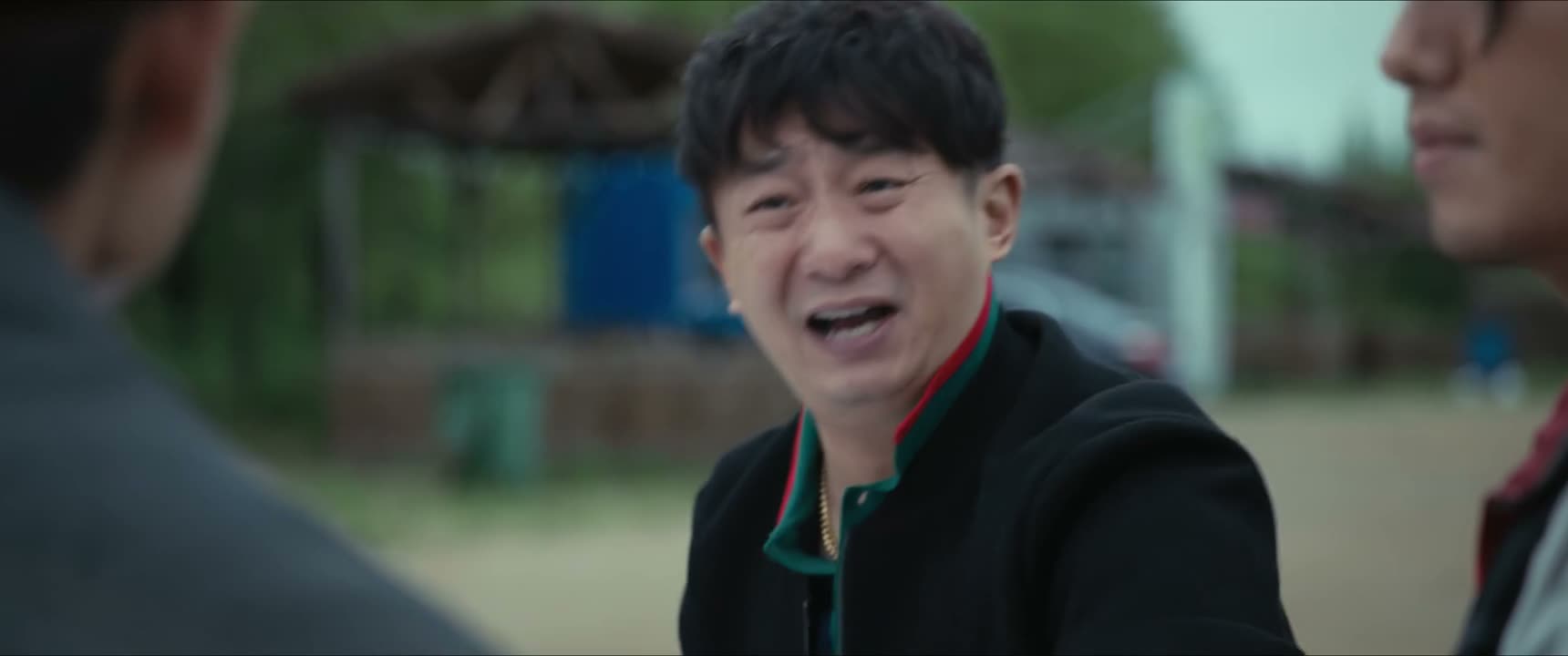
“What are you doing? You...”
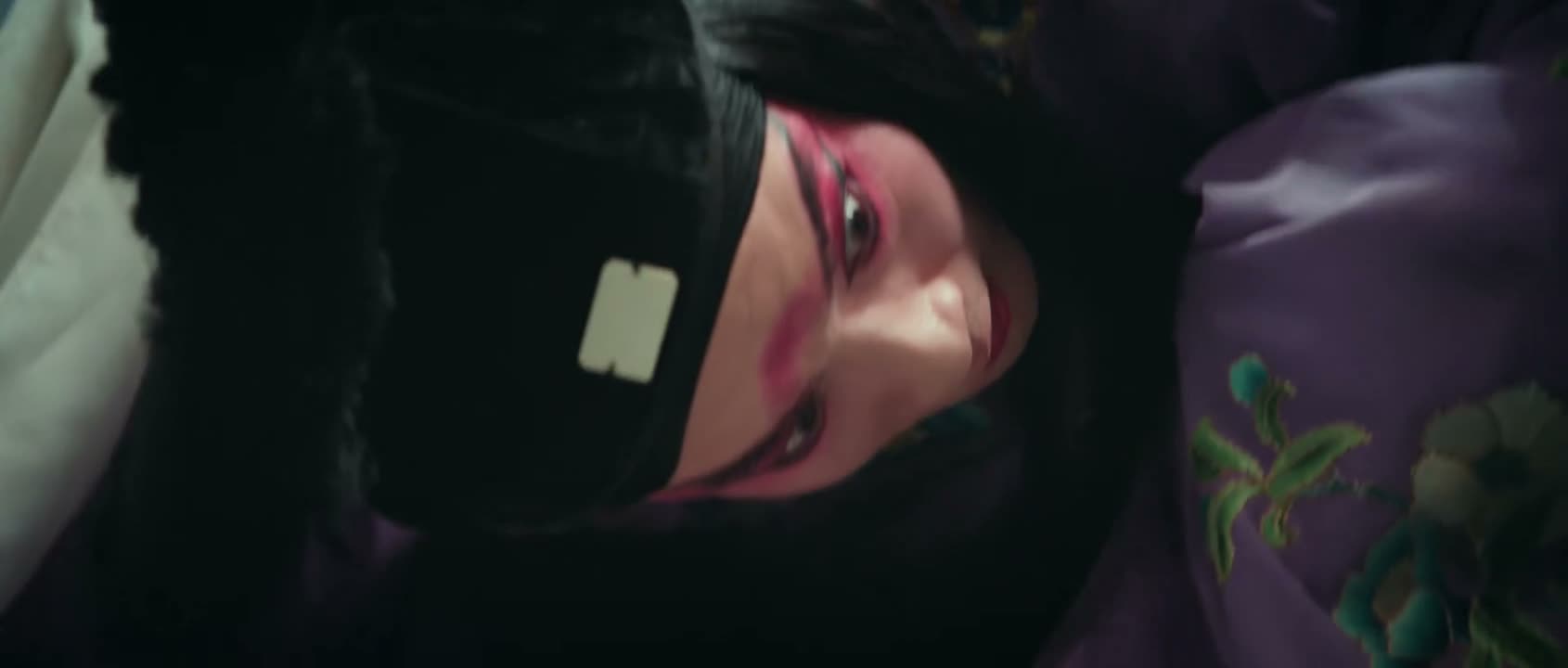
“What are you doing? Are you crazy?”
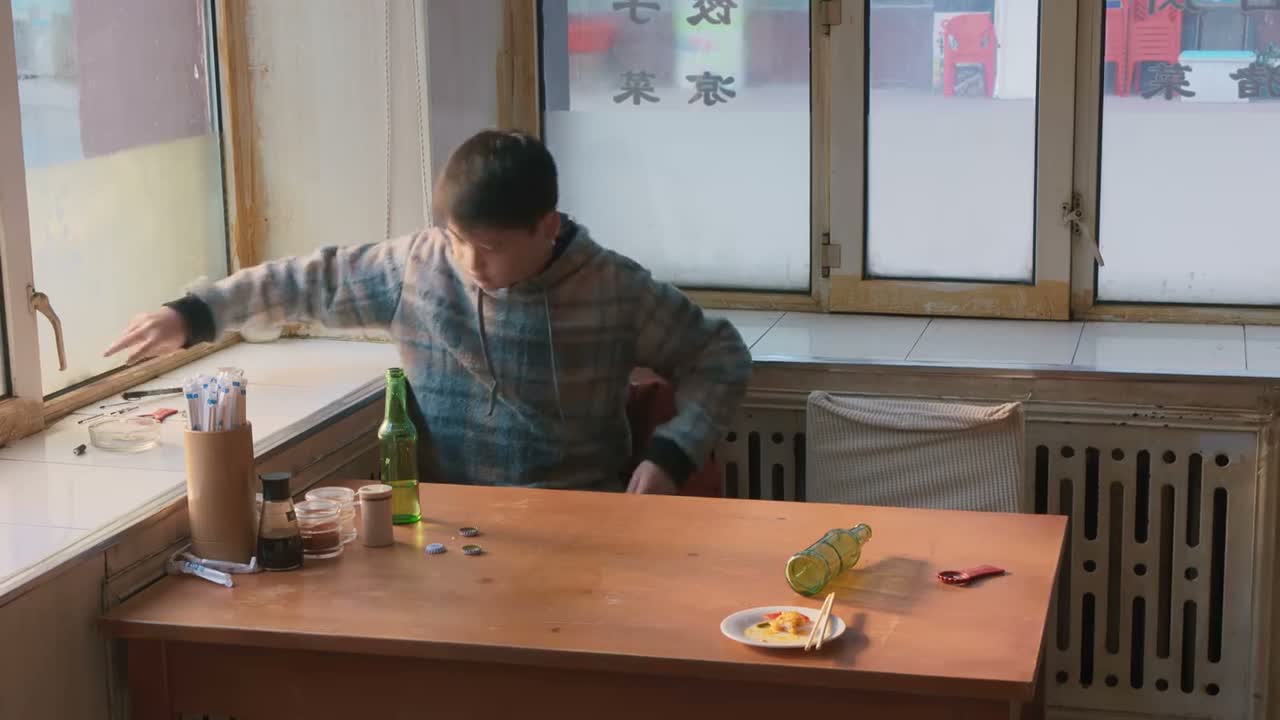
“What are you doing? Coming. Hurry up!”
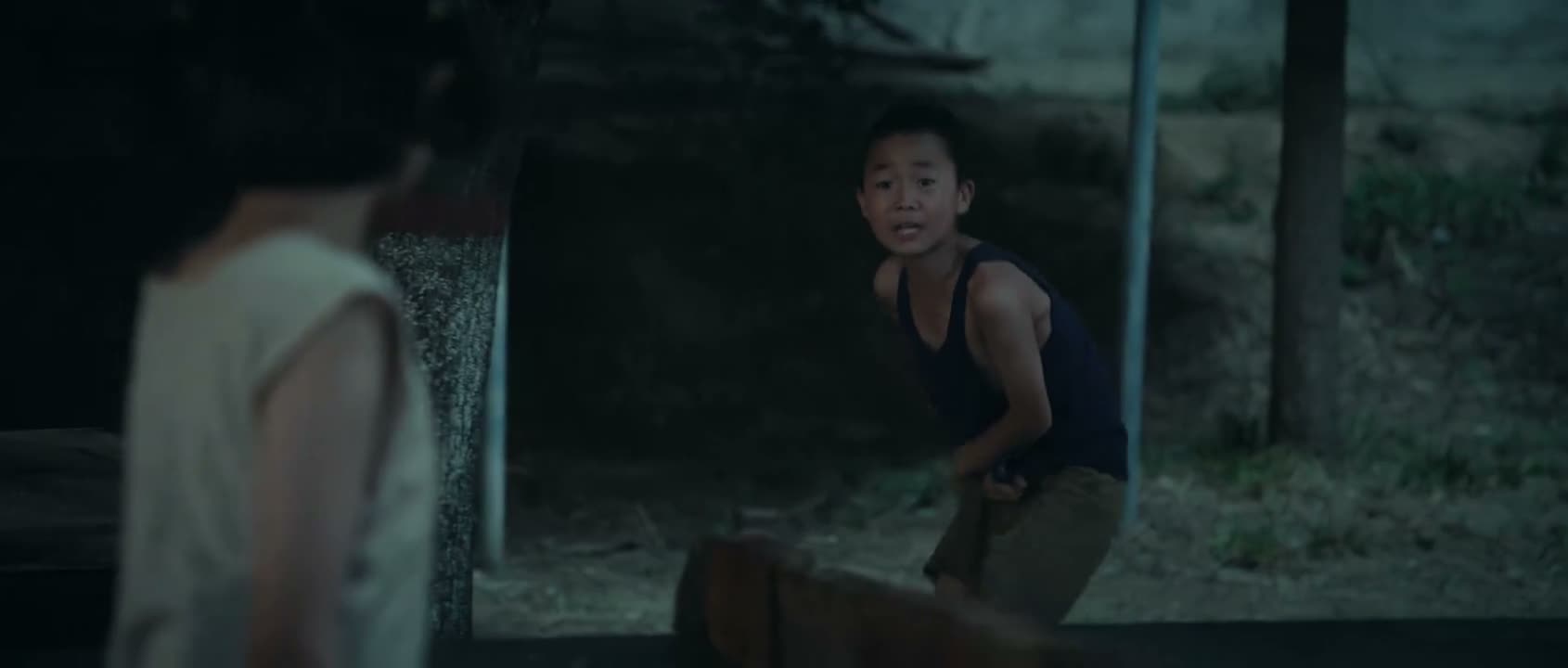
“What? You scared me.”

“What are you doing? Take a look.”