会不会被野物叼走了
“Could it have been taken by a wild animal?”
THE DIALOGUE REEL
“No. We searched the entire woods but couldn't find it.”
会不会 被野物叼 走了
“Could it have been taken by a wild animal?”
十里庙是离荆州最近的驿站
“Shili Temple is the closest posthouse to Jingzhou,”
Direct spoken expression in this communicative setting.
In pre-modern China, uninhabited mountains and forests posed genuine life-threatening dangers from predators, making animal attacks a frequent explanation for missing persons.
LEARNING CHUNKS & PARTICLES
could it be that, is it possible that
A standard construction used to propose a tentative or worrying hypothesis.
wild animal, wild game
A vernacular noun used to refer collectively to beasts in the wild.
to carry off in the mouth, snatch away
A vivid verb compound specifically describing animals taking things with their teeth or beaks.
Indicates a completed change of state or assumed finished event.
VOCABULARY & EXPRESSIONS
Parallel Spoken Cinema Scenes (语义近邻切片)

“Could the killer have taken them?”

“The body was snatched, wasn't it?”

“Could it be because the body is being used as leverage against him?”

“You might get snatched.”
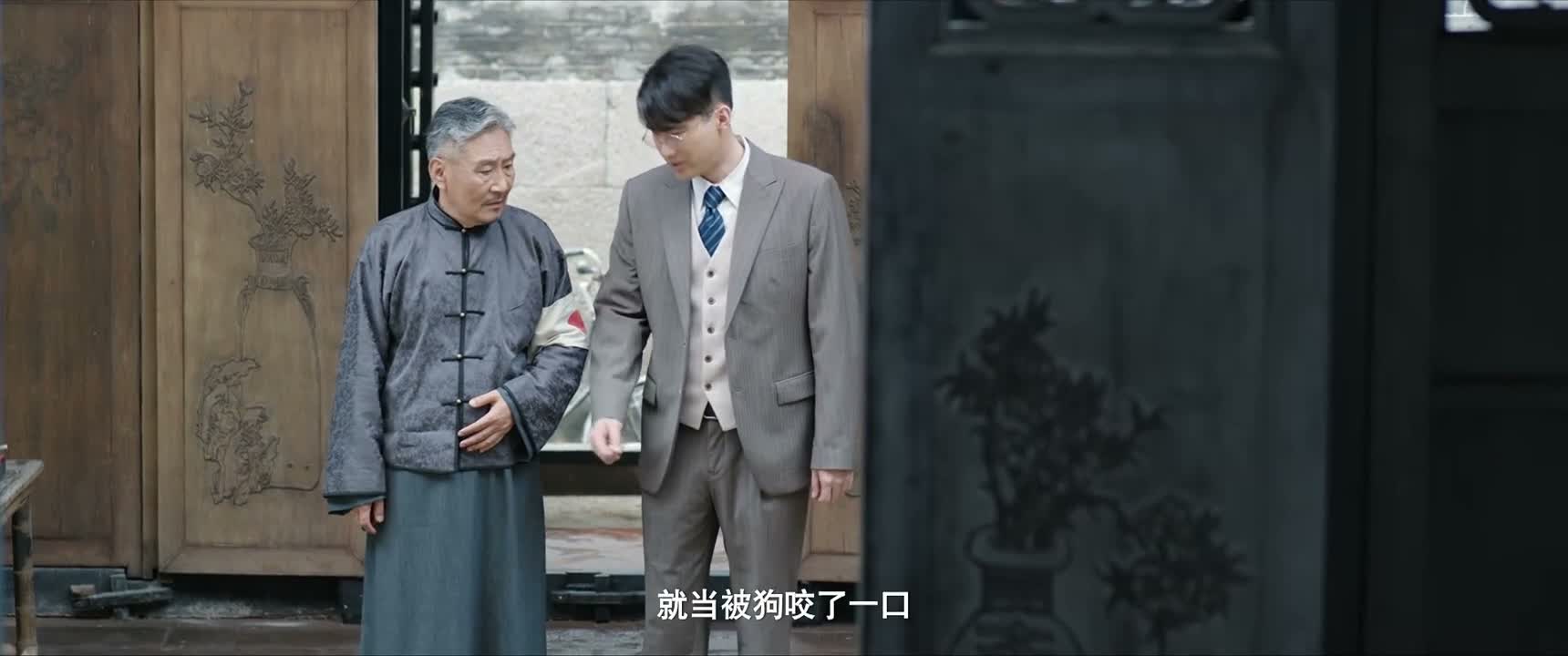
“Just consider it a dog bite.”
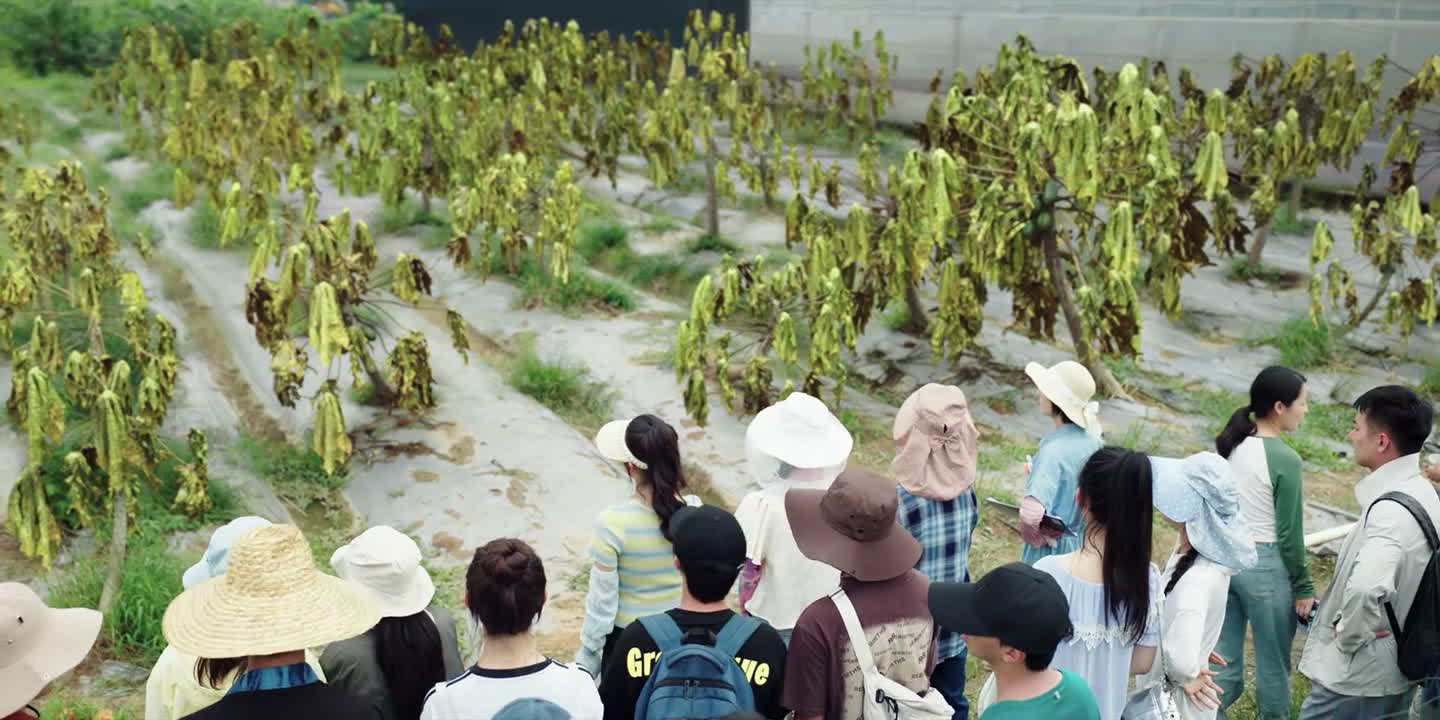
“Could it have been rooted up by a wild boar?”