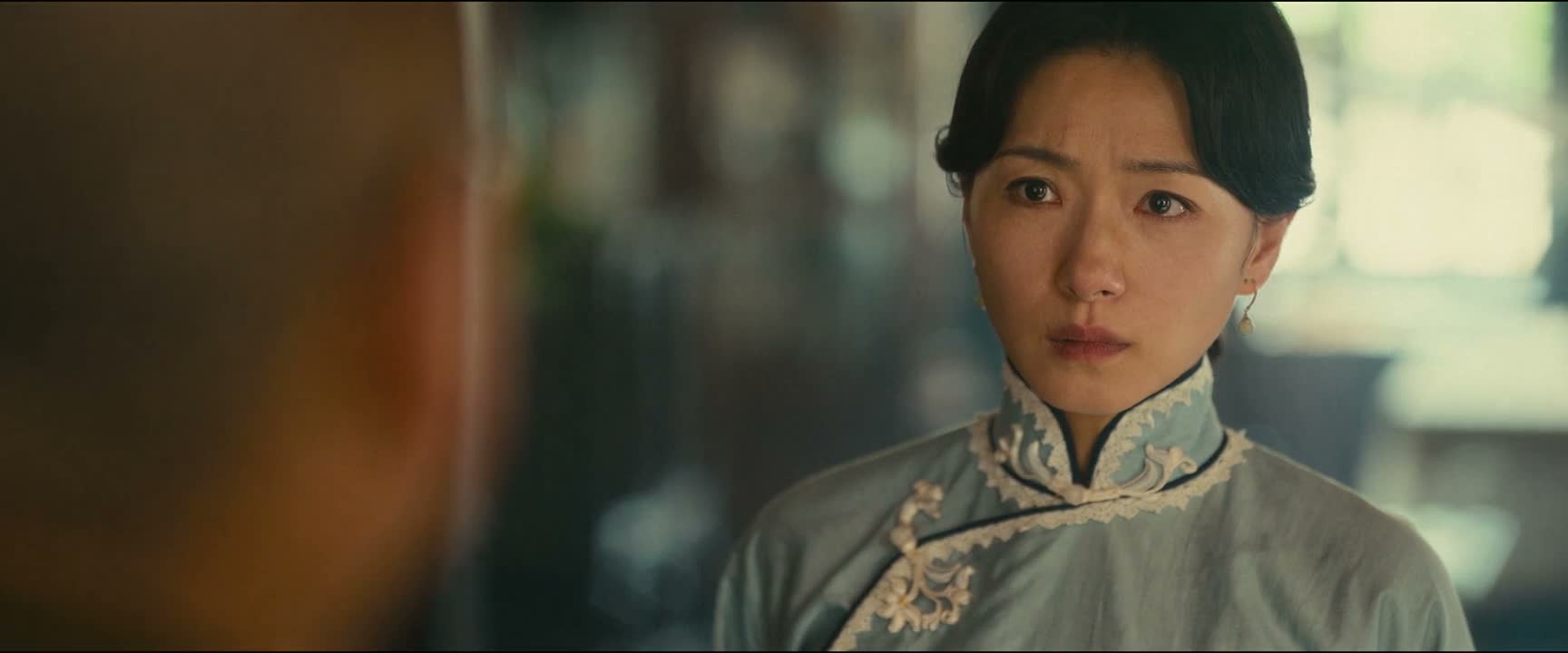
你不要我了吗 老爷
“Are you giving up on me? Master.”
THE DIALOGUE REEL
你不要 我了吗 老爷
“Are you giving up on me? Master.”
盛儿也是我们的儿子 你不能这样 老爷 你闭嘴
“Bensheng is our son, too. You can't do this, Master. Shut up!”
Direct spoken expression in this communicative setting.
In traditional Chinese society, women addressing their spouse as '老爷' (master) were often concubines whose entire social security depended on the master's favor.
LEARNING CHUNKS & PARTICLES
abandon me / discard me / break up with me
A common emotional phrase used in intimate relationships to express feeling abandoned or rejected.
Transforms the statement into a direct question, amplifying the speaker's insecurity and plea for denial.
VOCABULARY & EXPRESSIONS
Parallel Spoken Cinema Scenes (语义近邻切片)

“Go ask them for me if the Master has returned.”

“Don't grab me.”

“here you are. I don't want it anymore!”

“and I didn't listen to you?”

“You aren't going to abandon me, are you?”
“You know about the old man's health and his temper.”