你就走错了路 选错了人 走到今天
“you chose the wrong path and the wrong person. Today,”
THE DIALOGUE REEL
“From the moment you stepped out of that sedan chair to break off the engagement,”
你就走 错了 路 选错了 人 走到 今天
“you chose the wrong path and the wrong person. Today,”
“You brought this ruin upon yourself, and now you have no choice but to obey me.”
In Chinese narrative and historical contexts, breaking an engagement (退婚) often serves as a fateful turning point leading to moral or social retribution.
LEARNING CHUNKS & PARTICLES
took the wrong path in life; made bad life decisions
Commonly used metaphorically to point out that someone's trajectory or moral direction is mistaken.
ended up where one is today; arrived at this current state
Often used retrospectively to emphasize the cumulative consequence of past actions.
VOCABULARY & EXPRESSIONS
Parallel Spoken Cinema Scenes (语义近邻切片)
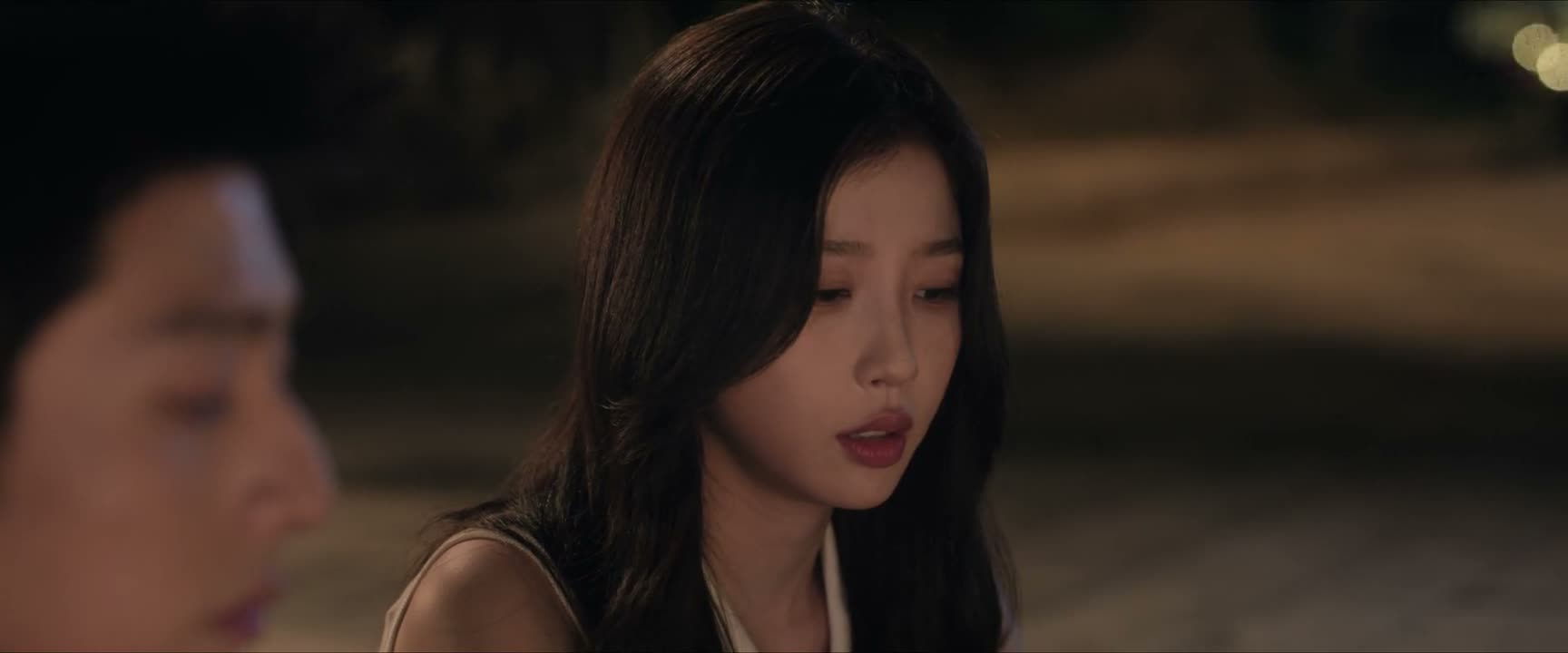
“Sometimes, if you take one wrong step,”
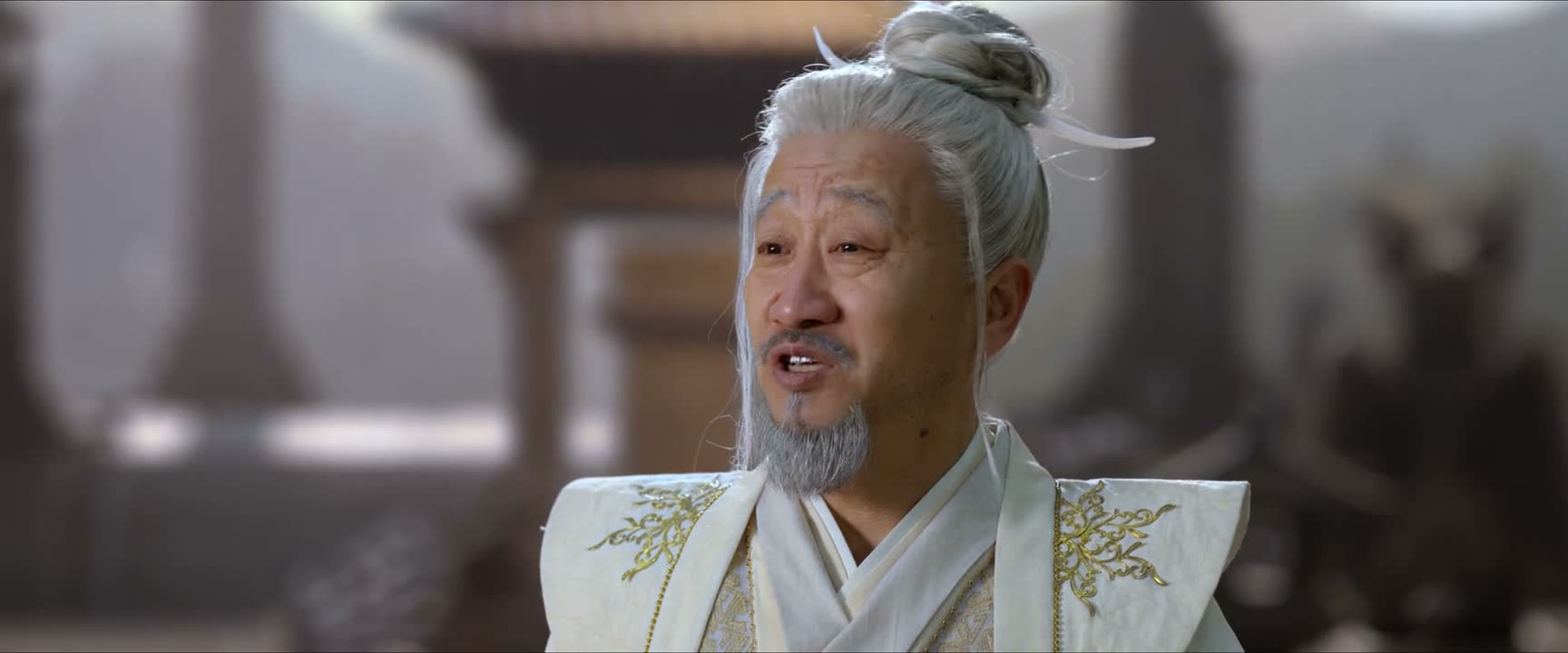
“you have strayed down a crooked path,”

“If there's no road, then we don't go.”

“I... I went the wrong way.”

“Go away. I was wrong. My bad.”

“You have reached your end.”