还不走 磨唧什么呢
“Come on! What are you doing?”
THE DIALOGUE REEL
“When I have free time, I'll make soup and bring it to you.”
还不走 磨唧 什么 呢
“Come on! What are you doing?”
穿鞋呢
“I'm putting on my shoes.”
Direct spoken expression in this communicative setting.
Direct and impatient phrasing like '磨唧' is common within close Chinese households and signifies comfort and closeness rather than genuine hostility.
LEARNING CHUNKS & PARTICLES
aren't you leaving yet?
A common blunt rhetorical question used between close family or friends to prod someone to hurry.
to dawdle; to dilly-dally
A highly colloquial Northern Chinese term used to criticize someone for being slow, indecisive, or inefficient.
Softens the rhetorical question while indicating an ongoing, annoying state of inaction.
VOCABULARY & EXPRESSIONS
Parallel Spoken Cinema Scenes (语义近邻切片)
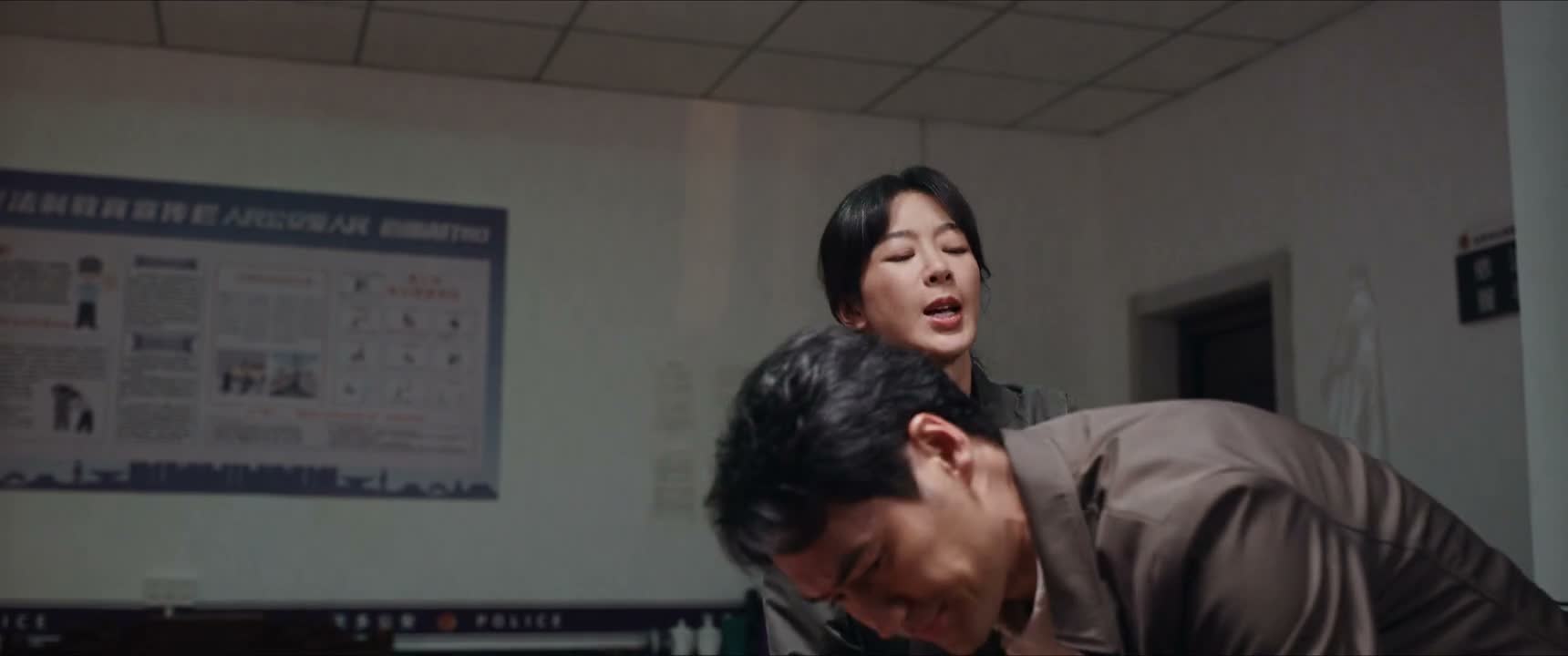
“I'm not leaving! That's enough.”

“I'm staying! Go back! I have to be with the machine.”
“Are you coming or not? Are you coming or not?”

“Now, are you coming?”
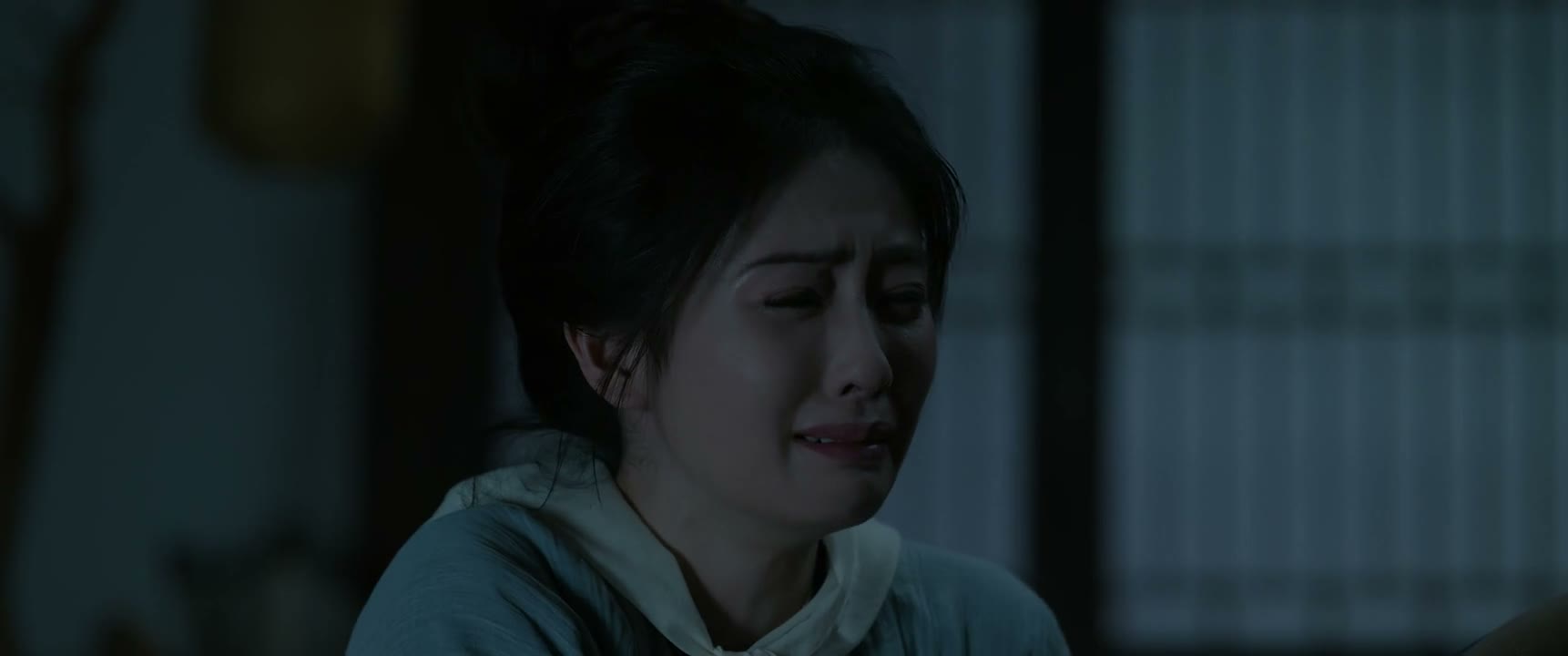
“Don't leave me.”

“Not leaving? Fine. Let me show you”