那为什么还会众生皆苦?
“then no creature would be suffering.”
THE DIALOGUE REEL
如果这个世间上真的有龙 能够消除灾厄
“if there were dragons in this world that could eliminate disaster,”
那 为什么 还会 众生皆苦 ?
“then no creature would be suffering.”
“So I didn't believe in him. Nor did I worship him.”
“If divine protectors are real, why does everyone continue to suffer so terribly?”
The idiom '众生皆苦' reflects the Buddhist view that earthly existence is inherently accompanied by pain, often invoked in Chinese storytelling to challenge blind faith in supernatural saviors.
LEARNING CHUNKS & PARTICLES
all living beings suffer; life is full of suffering
A Buddhist idiom commonly invoked in literary or dramatic contexts to reflect on universal hardship and human misery.
VOCABULARY & EXPRESSIONS
Parallel Spoken Cinema Scenes (语义近邻切片)

“Of course, joy comes through hardship.”

“would you say that?”

“and you will be the one to suffer in the end.”
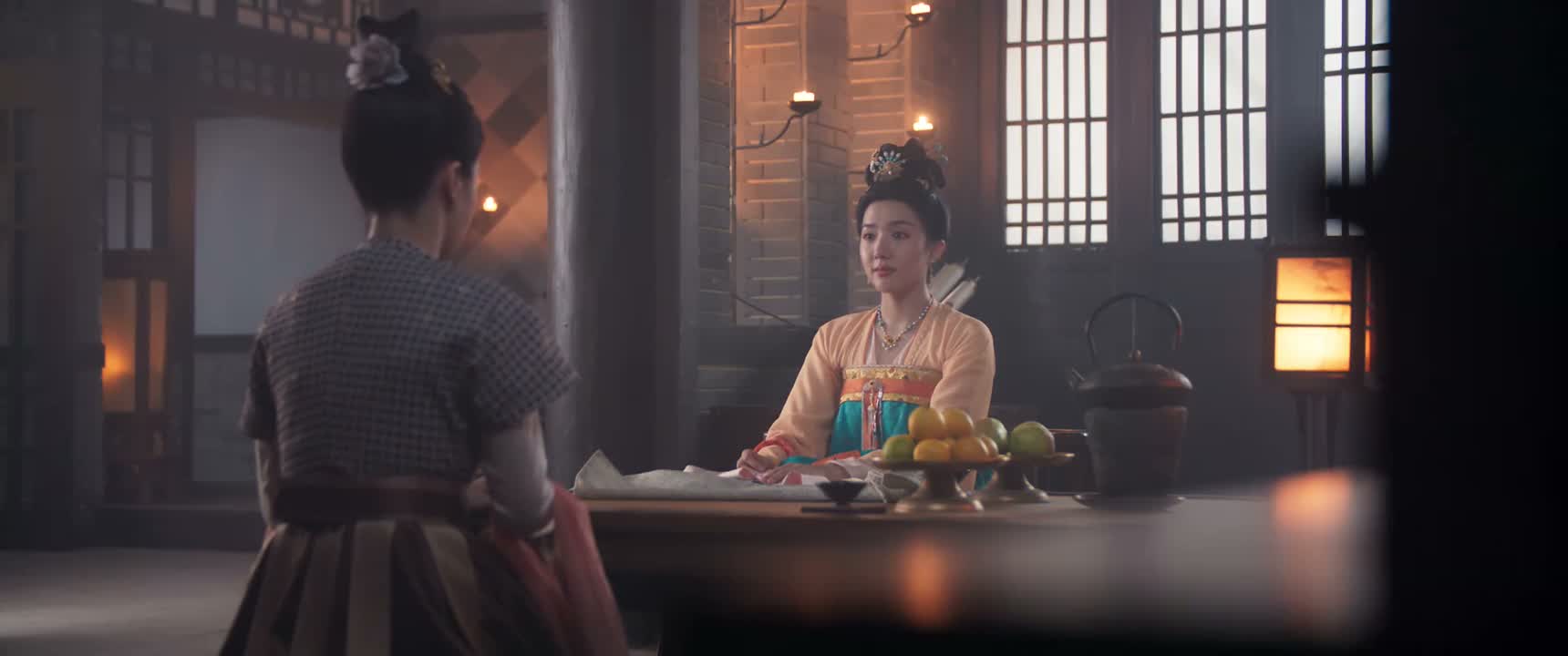
“would have lived in pain for the rest of their lives.”

“You've suffered a lot.”

“Why trap us here?”