便知道我丈夫不在了
“and then could tell my husband had passed.”
THE DIALOGUE REEL
“But he only knew my birth chart,”
便 知道 我丈夫 不在了
“and then could tell my husband had passed.”
这些消息
“Ms. Zhou told him everything.”
“He knew this personal secret immediately without being told, so he must be authentic.”
Directly uttering 'dead' (死) is considered taboo and harsh; speakers almost universally substitute terms like '不在了' (no longer here) out of respect and decorum.
LEARNING CHUNKS & PARTICLES
passed away / no longer with us
A very common Chinese euphemism used instead of 'died' (死了) to speak politely about deceased family members.
then knew / already knew right away
Used in storytelling to highlight rapid comprehension or immediate realization.
Indicates a changed state of life, softening the finality of death in the euphemism '不在了'.
VOCABULARY & EXPRESSIONS
Parallel Spoken Cinema Scenes (语义近邻切片)
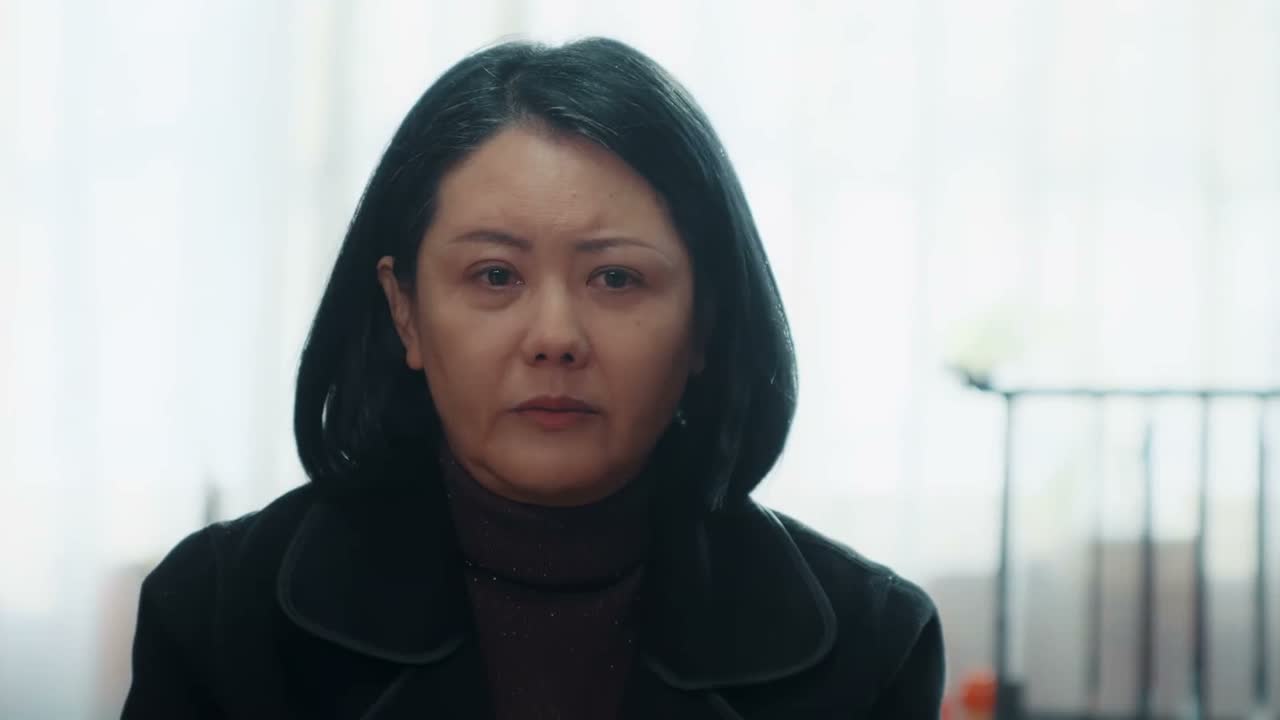
“I won't be able to see my husband.”

“And I can't abandon my husband.”
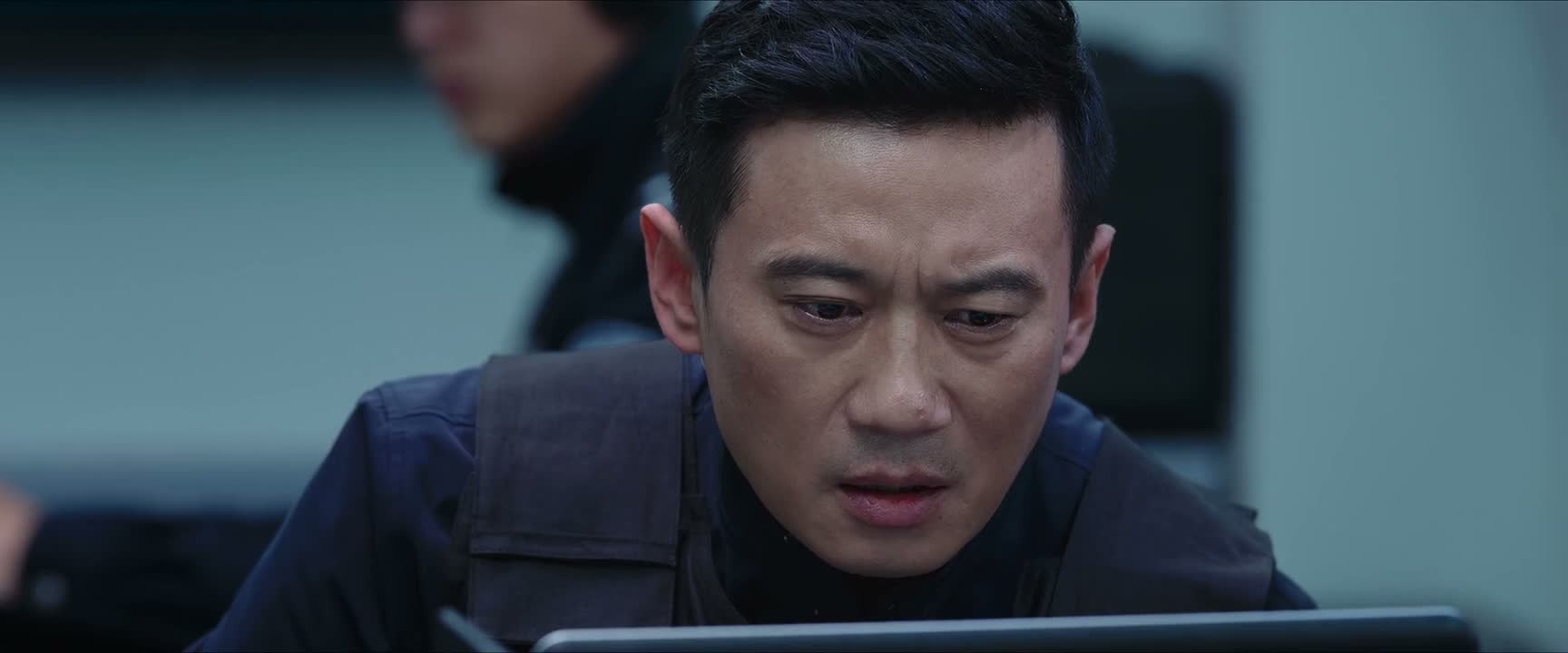
“I don't know, either. I just found out he's gone.”

“You owe me my husband's life! [Qin Yuze's memorial service]”

“she is no longer around.”
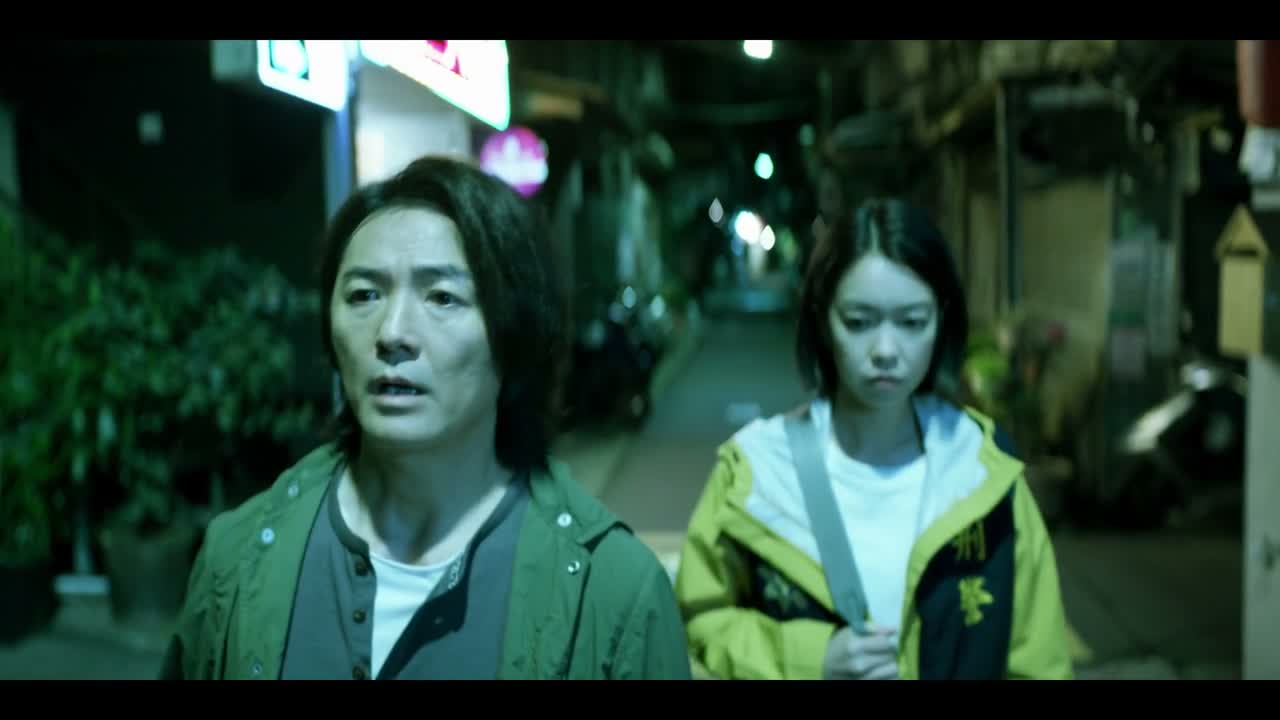
“You never really knew your wife and family.”