我想跟费霓坐一块怎么了
“I'm not blocking anyone. I just want to sit with Fei Ni.”
THE DIALOGUE REEL
“Why sit here? Don't block the view. I'm not blocking anyone. I just want to sit with Fei Ni.”
我想跟费霓 坐一块 怎么了
“I'm not blocking anyone. I just want to sit with Fei Ni.”
咱俩换
“I'll switch with you.”
“It's none of your business whom I sit with—back off.”
In Chinese youth culture, insisting on sitting next to a specific person in a cinema or group gathering serves as a clear public signal of romantic pursuit and boundary-marking against rivals.
LEARNING CHUNKS & PARTICLES
to sit together
Colloquial northern Chinese expression meaning sitting in the same spot or side by side.
so what? / what's wrong with that?
When delivered with rising, confrontational intonation, it serves as a defiant challenge rather than an inquiry.
Appears in the fixed rhetorical challenge '怎么了' to aggressively query why the interlocutor has an issue.
VOCABULARY & EXPRESSIONS
Parallel Spoken Cinema Scenes (语义近邻切片)
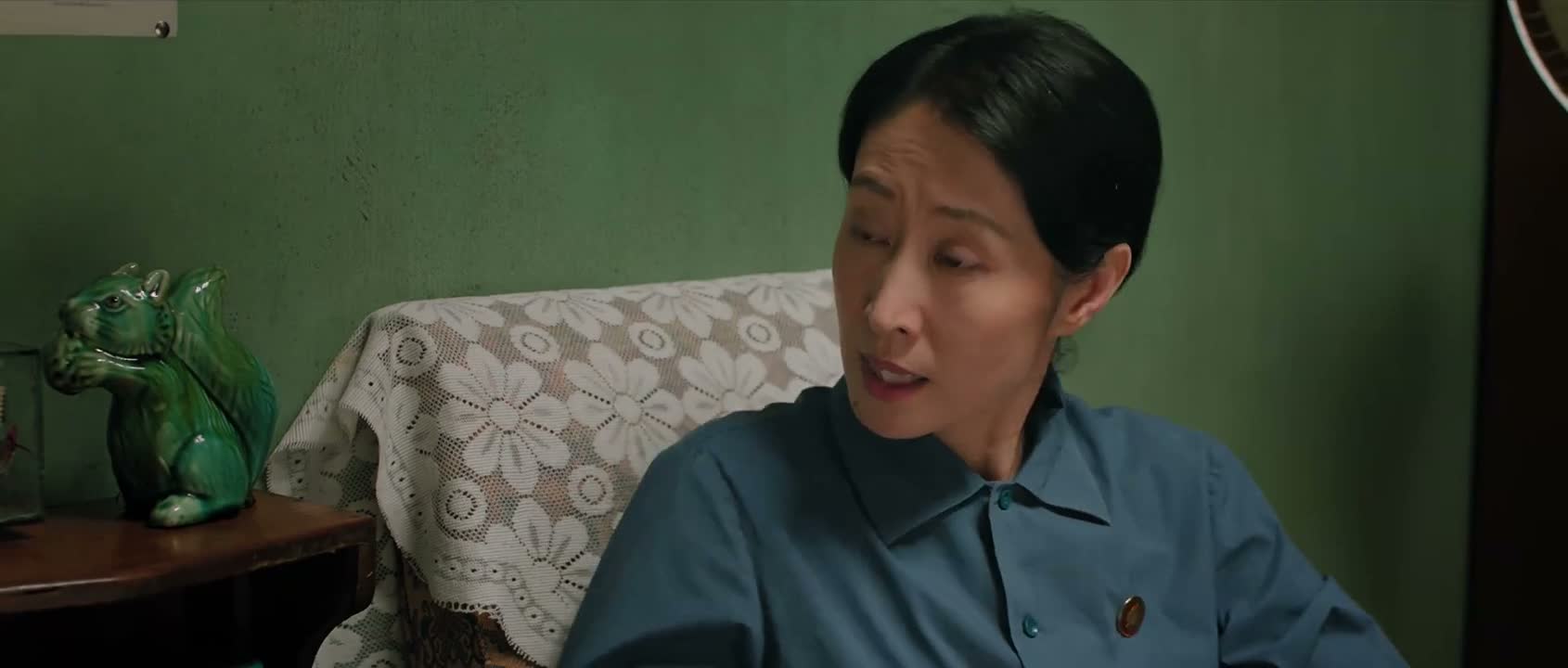
“Are you dating Fei Ni?”
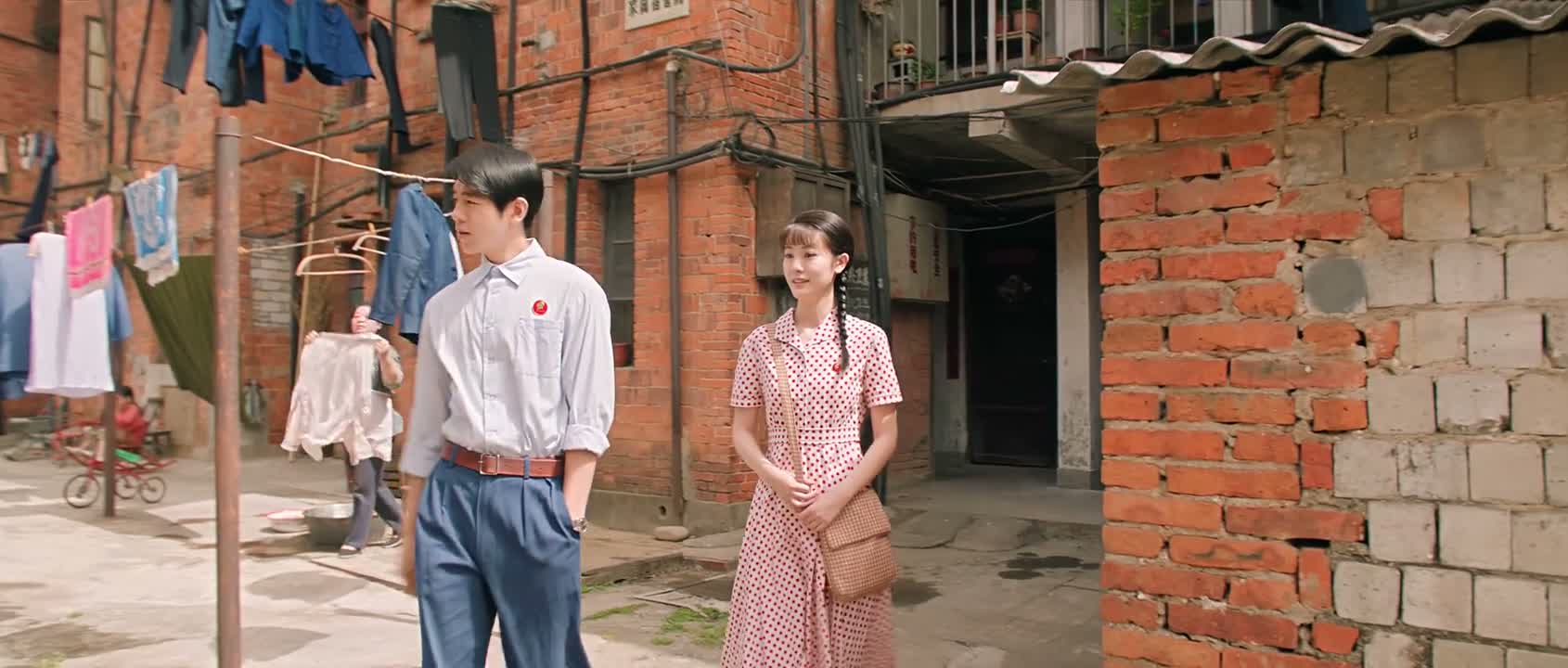
“Since when did you get together with Fei Ni?”

“I know Fei Ni is too. Why can't you get it?”

“I might not have broken up with Fei Ni.”
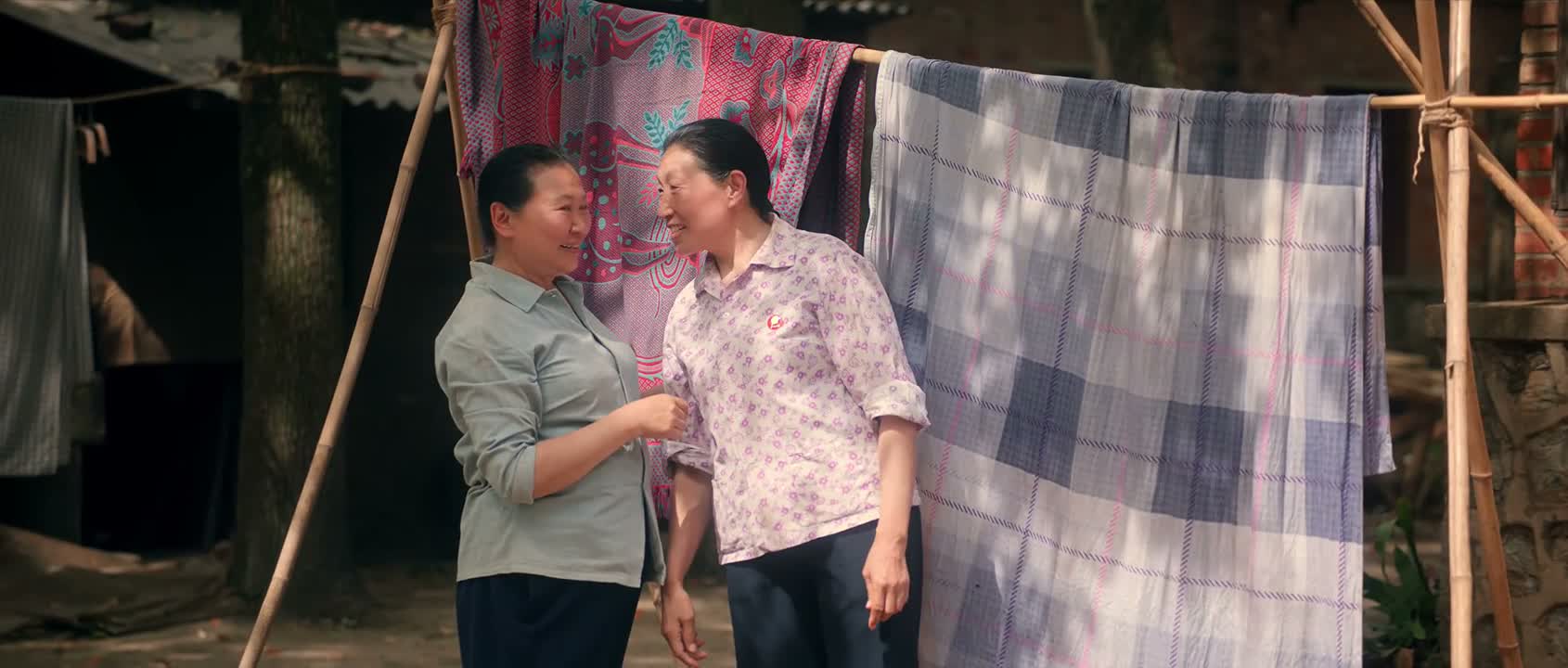
“Did he get together with Fei Ni?”
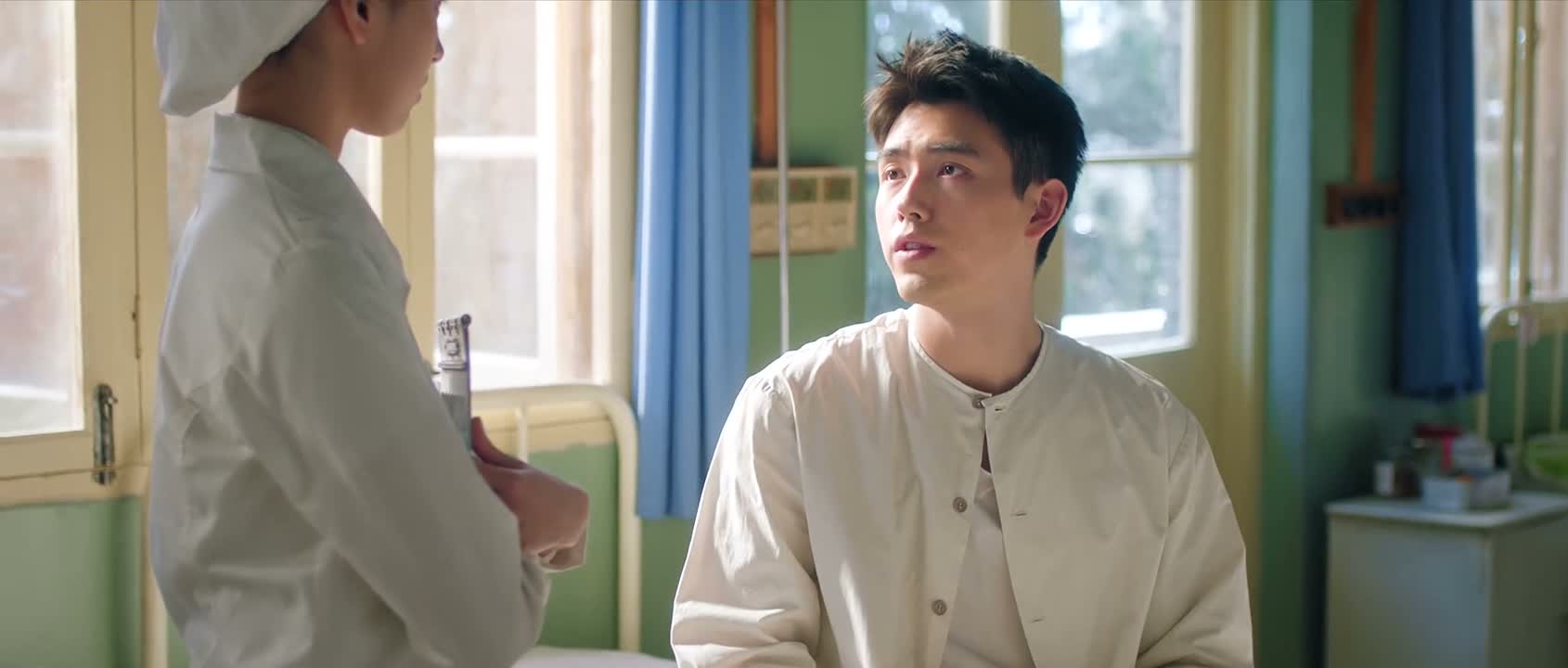
“why isn't Fei Ni here to visit me?”