小龙嫌我烦了
“and Xiaolong's sick of me.”
THE DIALOGUE REEL
我太黏人了
“I get too attached,”
小龙 嫌我烦 了
“and Xiaolong's sick of me.”
你什么都没做错
“You did nothing wrong.”
“Please tell me I'm not annoying and that he still loves me.”
In Chinese youth culture, partners frequently internalize minor communication lags as emotional detachment, leading to confiding in best friends (guimi) for reassurance.
LEARNING CHUNKS & PARTICLES
to find me annoying or bothersome
A very common colloquial pattern '嫌 + someone + adjective' used to describe someone being displeased with another's traits or habits.
Indicates a perceived change of state, highlighting the speaker's realization that feelings have shifted.
VOCABULARY & EXPRESSIONS
Parallel Spoken Cinema Scenes (语义近邻切片)

“I can't take their nagging.”

“You annoy me. I need a moment alone.”

“I find him a complete nuisance.”
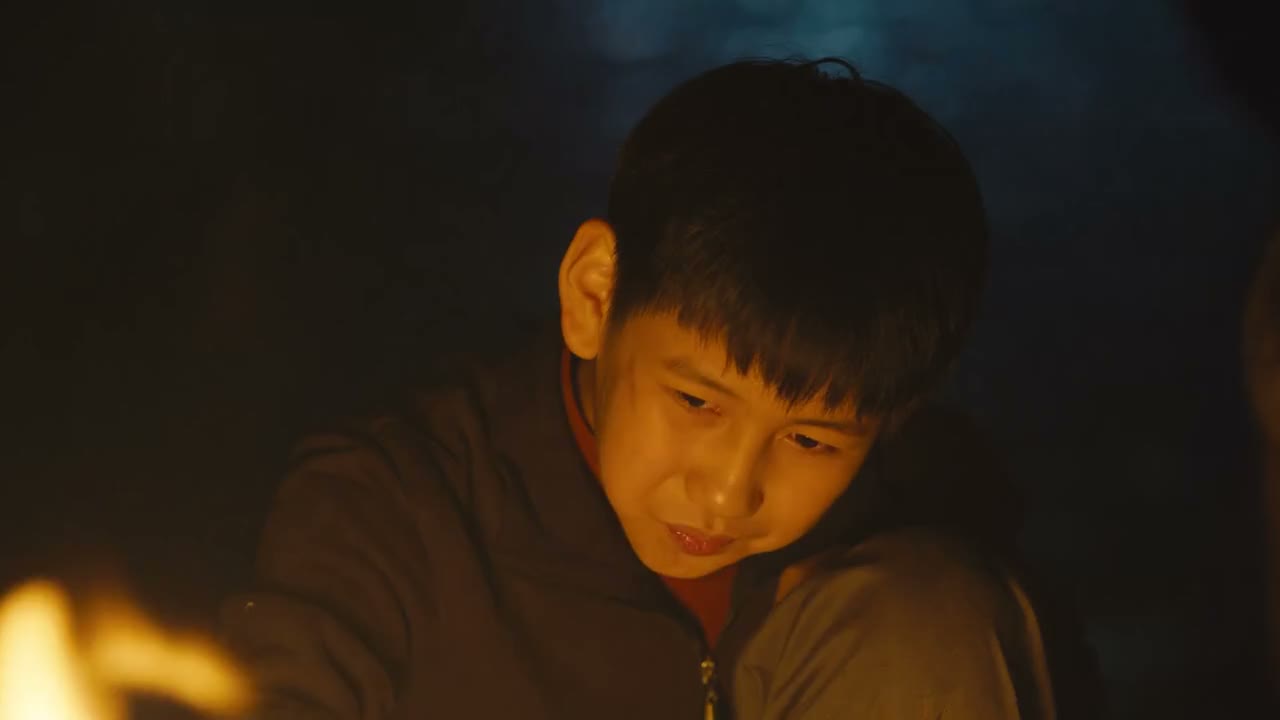
“my mom doesn't even hold back when she scolds me.”

“And you call me nosy? Then I won't get him for you.”

“Who are you calling old here? Sorry.”