MC
MandarinClips Cinema Corpus
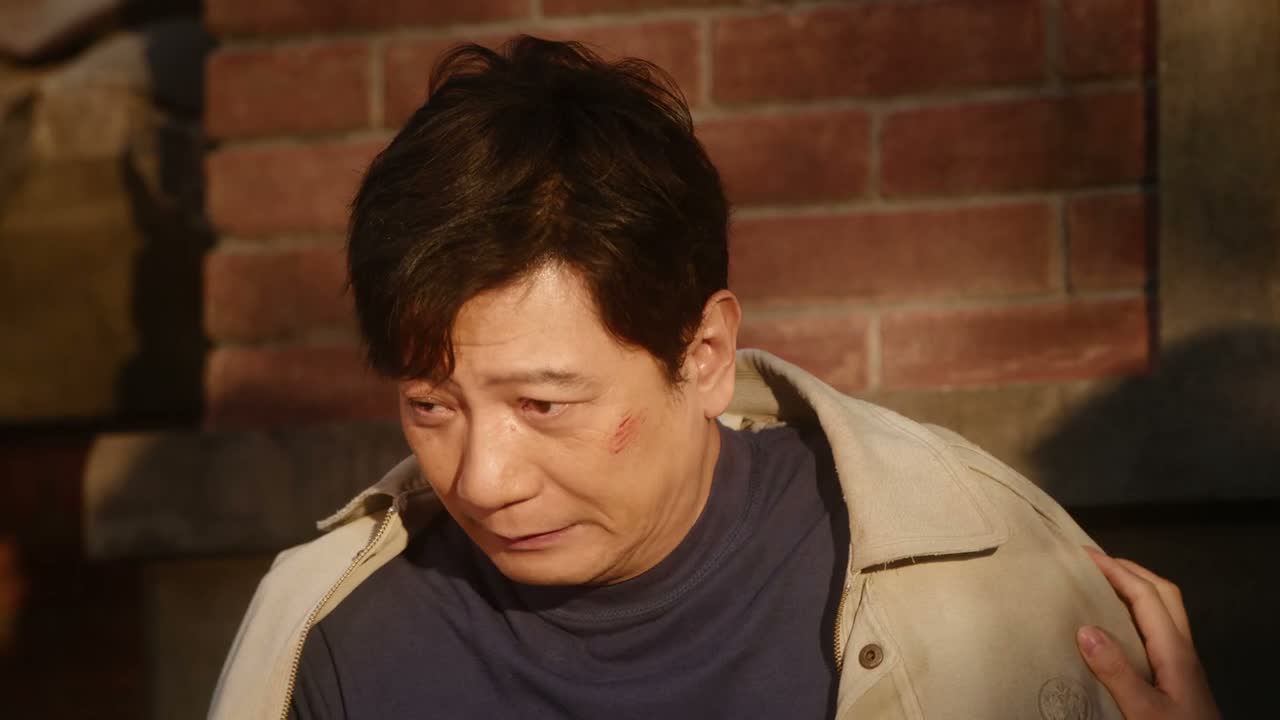
《Love Story in the 1970s》 S1·E20 (36:48) HSK 5
dàn shì nǐ néng bù néng wèi wǒ zhēng diǎn qì a

但是你能不能为我争点气啊

“But can't you at least try to do better for my sake?”

《Love Story in the 1970s》 S1·E20
TIMECODE: 36:48 · 1080P MASTER AUDIO

THE DIALOGUE REEL

1+1+1 SPOKEN CONTINUITY
[-1] PREVIOUS TURN wǒ yě bú shì ràng nǐ yǒu duō dà chū xī a

我也不是让你有多大出息啊

“I'm not asking you to achieve anything extraordinary.”

dàn shì nǐ néng bù néng wèi wǒ zhēng diǎn qì a CURRENT FOCUS

但是 你能不能 为我 争点气 啊

“But can't you at least try to do better for my sake?”

[+1] FOLLOW-UP TURN yī shuō nǐ jiù zhè yàng

一说你就这样

“You shut down like this every time.”

Subtitles synced to millisecond timecode Browse Show Clips →
Scene: Family & Home
Function: SCOLDING
Tone: REPROACHFUL
Emotion: FRUSTRATION
WHAT THEY REALLY MEAN (PRAGMATIC SUBTEXT)
“You are embarrassing me; make an effort so people stop looking down on us.”
💡 Cultural Insight: Zhengqi (Bringing Honor to Family)

Personal achievement in Chinese families is rarely seen as purely individual; doing well is an obligation to preserve the honor and face of loved ones.

INTENT TAGS: #reproach #pressuring #demanding_effort #face_saving
🧩

LEARNING CHUNKS & PARTICLES

2 CHUNKS · 1 PARTICLES
争气 SPOKEN CHUNK

to bring credit to; to try to make a good showing; to show backbone

A vital cultural concept used when urging family members to achieve success to earn pride and respect for the family.

为我 SPOKEN CHUNK

for my sake; on my behalf

Used to bind the other person's performance to the speaker's personal emotional well-being or face.

Modal Particle「啊」 (a) CHANGE OF STATE

Amplifies the emotional urgency and exasperation of the rhetorical plea.
🏮

VOCABULARY & EXPRESSIONS

3 EXPR · 0 GRAMMAR
CROSS-CINEMA CORPUS BOARD · PARALLEL SCENES

Parallel Spoken Cinema Scenes (语义近邻切片)

EXPLORE BY SEMANTIC SIMILARITY
《Love Story in the 1970s》 S1·E20 (36:48) · Authentic Cinema Dialogue Corpus