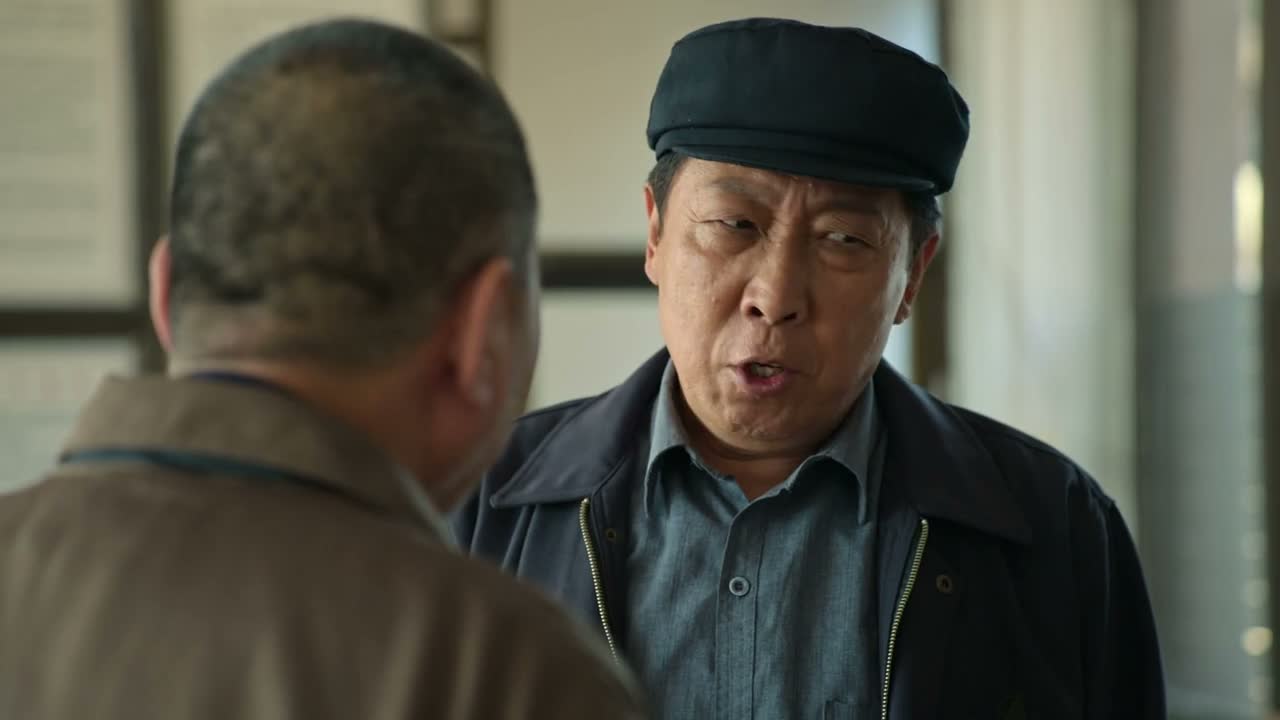
我是高启强那样的 亡命徒吗
“Am I an outlaw like Gao Qiqiang?”
THE DIALOGUE REEL
我是 高启强那样的 亡命徒 吗
“Am I an outlaw like Gao Qiqiang?”
“Stop acting terrified—I am not going to murder you, so calm down!”
Gao Qiqiang is the iconic antihero from the hit 2023 Chinese crime drama 'The Knockout' (狂飙); mentioning his name instantly invokes the image of a calculating, ruthless mob boss.
LEARNING CHUNKS & PARTICLES
desperado / ruthless outlaw
Refers to criminals who risk their lives without hesitation or fear of consequences.
like that / of that kind
Used colloquially to invoke a well-known prototype or character archetype for comparison.
Forms a rhetorical question that sharply denies the premise rather than genuinely seeking an answer.
VOCABULARY & EXPRESSIONS
Parallel Spoken Cinema Scenes (语义近邻切片)

“Who am I? I’m not afraid of them.”

“If I am not good enough, I wouldn't have”

“Gao Qiqiang is so powerful. You should know better than to mess with him.”
“all because of Gao Qiqiang.”

“Gao Qiqiang is sophisticated. Things are complicated.”

“Gao Qiqiang pushed me too hard.”