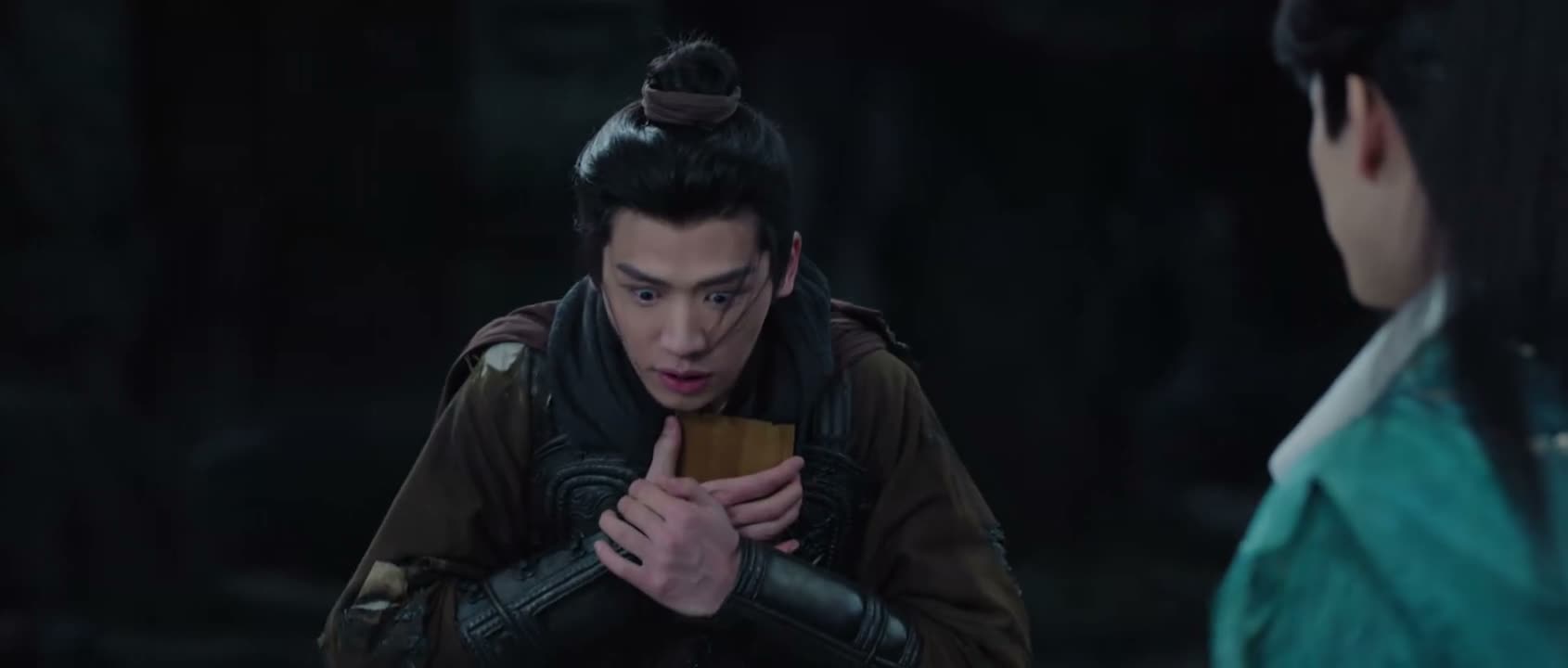
谁准你这么 跟本尊说话的
“Who allowed you to talk to me like this?”
THE DIALOGUE REEL
你被赶出归墟了
“You were expelled from the Void?”
谁准你 这么 跟本尊 说话 的
“Who allowed you to talk to me like this?”
“You came here to seek my help, didn't you?”
“Know your place; you have no right to address me with such disrespect.”
In classical fantasy and imperial dynamics, status governs speech; addressing an exalted figure without honorific deference is considered a grave offense.
LEARNING CHUNKS & PARTICLES
who allowed you to / who gave you permission to
A sharp, highly authoritative rhetorical opener used to reprimand someone for stepping out of line.
this venerable one / myself (grand self-reference)
Common in xianxia and fantasy dramas used by supreme beings or sect leaders to emphasize absolute dominance.
Marks the end of an assertive rhetorical frame (shuo...de), underscoring indignation and finality.
VOCABULARY & EXPRESSIONS
Parallel Spoken Cinema Scenes (语义近邻切片)

“you just don't give up on me, do you?”

“I came for serious matters.”

“I won't repeat myself.”

“You're nothing but a puppet I've made.”
“Tell me your real name”

“That's the real person.”