让裴谦负责试玩 会不会有问题啊
“Are we actually letting Pei Qian do the playtesting? Won't it cause us any trouble?”
THE DIALOGUE REEL
没问题
“No problem!”
让裴谦 负责 试玩 会不会有问题 啊
“Are we actually letting Pei Qian do the playtesting? Won't it cause us any trouble?”
永堕轮回
“Eternal Reincarnation”
“Is it really wise to trust him with this? I'm worried he might mess it up.”
Rather than flatly rejecting a colleague's plan, Chinese speakers often frame their reservations as cautious queries with '会不会有问题' to maintain harmony while urging reconsideration.
LEARNING CHUNKS & PARTICLES
to be in charge of; to take responsibility for
Essential workplace verb indicating designated responsibility for a project or role.
is it likely to; could it possibly
A common structure used to raise soft doubts or introduce hypothetical concerns politely.
to have problems; to go wrong
Widely used to indicate flaws, issues, or risks.
Softens the inquiry, making the expression of doubt sound less confrontational and more conversational.
VOCABULARY & EXPRESSIONS
Parallel Spoken Cinema Scenes (语义近邻切片)
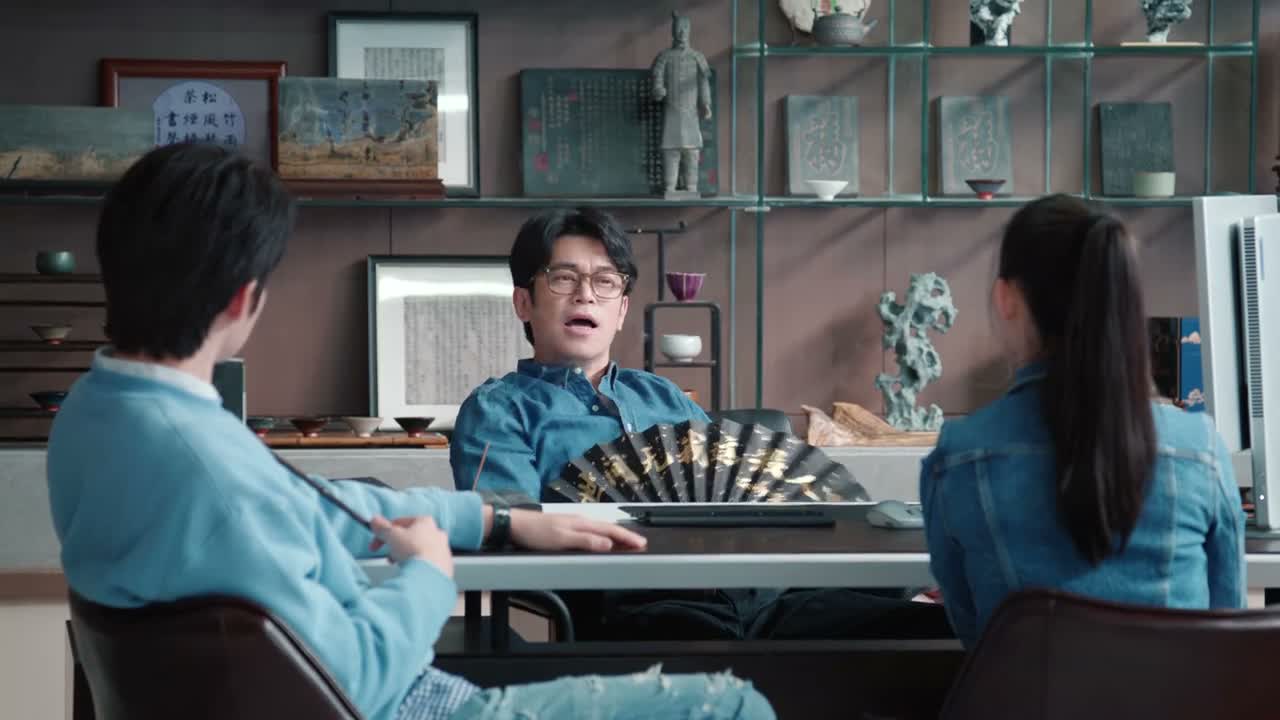
“Let me try it out. Don't tell Mr. Pei.”

“Pei Qian knows nothing. He's just lucky.”

“I won't let you down.”

“The training got shut down because of Pei Qian.”

“Sure, Mr. Pei. No problem. Don't make me stop you from getting work done.”
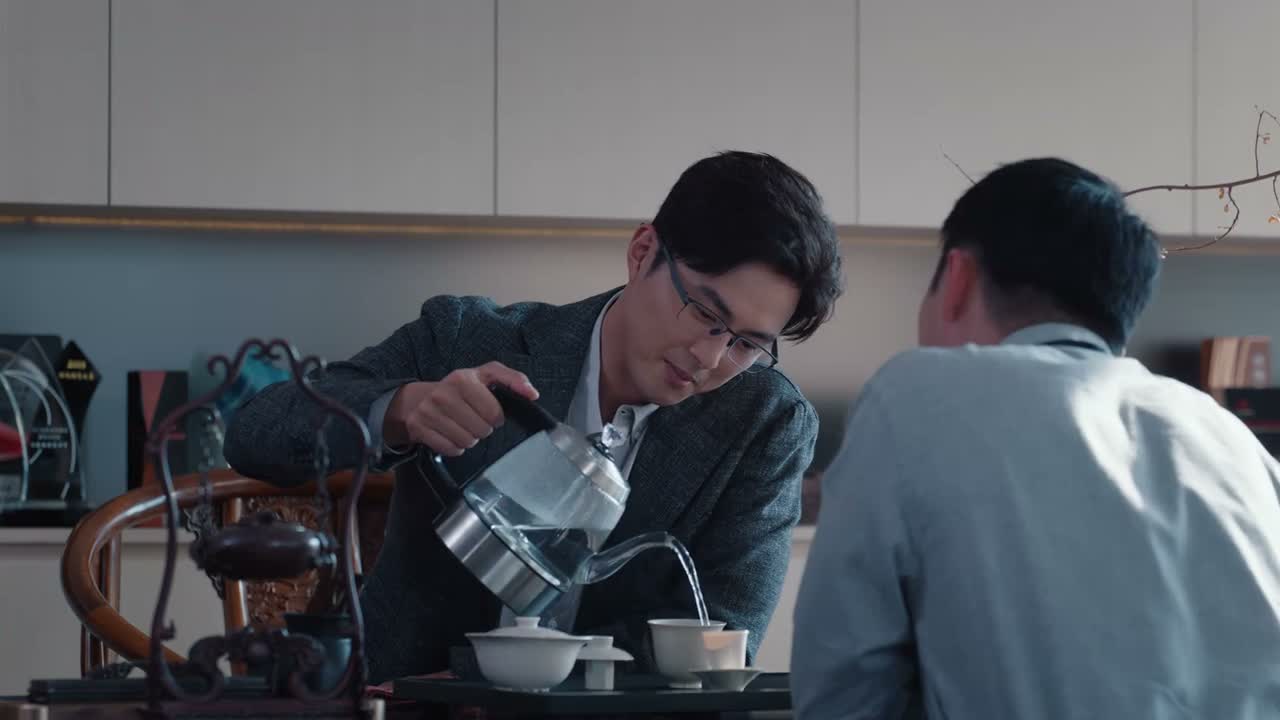
“What did Pei Qian say? I confronted him directly.”