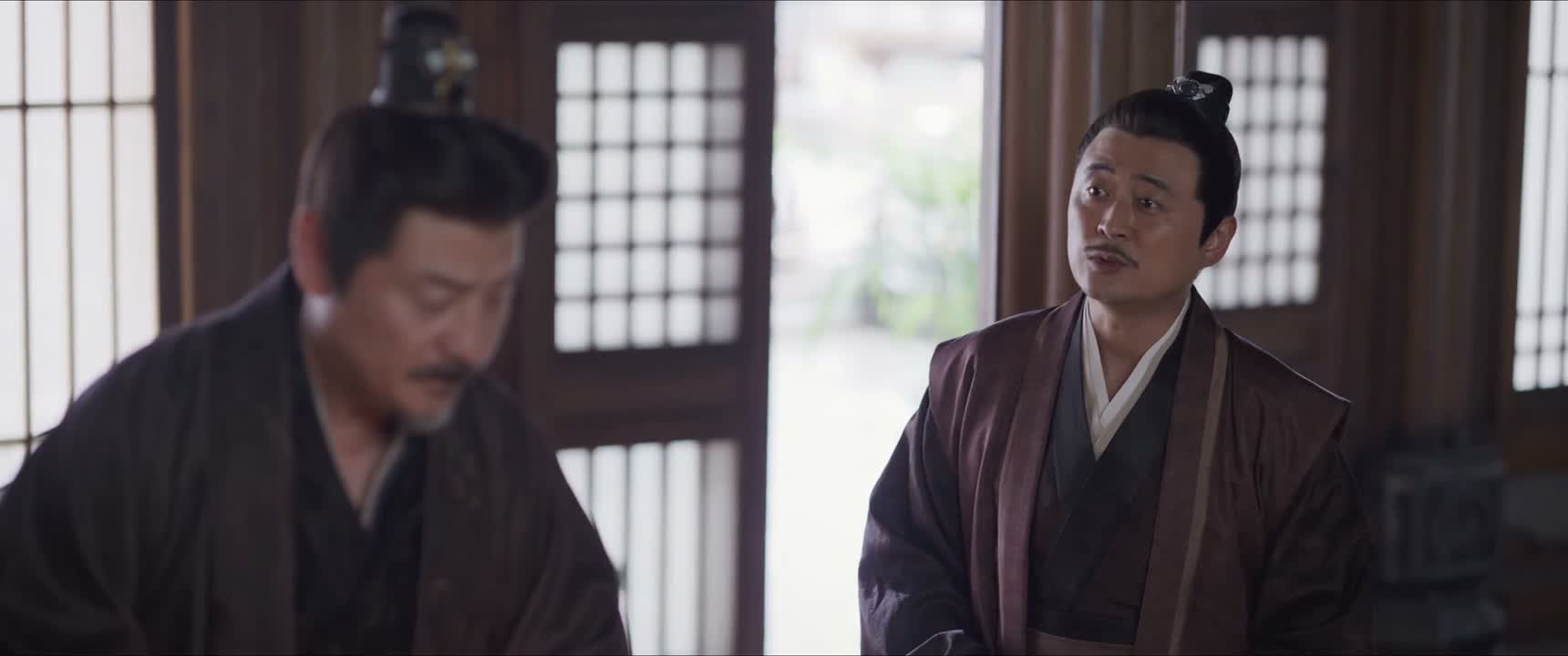
一切死无对证 端王的冤屈就永远无法洗刷了
“then there's no proof left. The Prince of Duan's name will never be cleared.”
THE DIALOGUE REEL
就这么让他死了
“If he dies here,”
一切 死无对证 端王的冤屈就永远无法洗刷了
“then there's no proof left. The Prince of Duan's name will never be cleared.”
太史丞 还是你有理智 我会跟圣上说清楚一切的
“Deputy Director Xiao, you're the one with a clear head. I'll tell His Majesty everything.”
Direct spoken expression in this communicative setting.
In Chinese moral and political philosophy, dying with unvindicated shame stains an entire lineage's ancestral honor; exonerating a wrongfully accused royal is a duty of paramount importance.
LEARNING CHUNKS & PARTICLES
dead men tell no tales; with the dead there is no confrontation of evidence
A common idiom used when a key witness dies, making it impossible to establish legal truth or resolve an accusation.
to clear someone's name; to wipe away a wrongful accusation
A formal collocation commonly found in legal and historical contexts when seeking justice for someone who was framed.
Emphasizes the irreversible finality of the negative consequence.
VOCABULARY & EXPRESSIONS
Parallel Spoken Cinema Scenes (语义近邻切片)

“In the end, he failed to kill Prince Duan.”
“dead men tell no tales.”

“That man deserved to die.”
“We'll go down together.”

“You're about to die. Why bother asking?”

“it won't help. We'll be doomed.”