再掩埋嘛 方伯可知那人是谁 自然认得
“after the case is closed. Do you know who took the bodies away? I certainly do.”
THE DIALOGUE REEL
我还纳闷了 说这天寒地冻的 尽可等结案
“I was truly baffled. It's freezing cold now. The bodies could've been buried”
再掩埋嘛 方伯可知那人 是谁 自然认得
“after the case is closed. Do you know who took the bodies away? I certainly do.”
“That was the officer who brought the bodies over last time with Constable Zhan.”
Direct spoken expression in this communicative setting.
Addressing an older male acquaintance using kinship terms like 'Bo' (elder uncle) demonstrates traditional Chinese respect toward age and community hierarchy.
LEARNING CHUNKS & PARTICLES
naturally recognized (him/her); of course knows (him/her)
Use this phrase to emphasize that knowing someone is obvious, expected, or unquestionable.
do you know / is it known whether
A semi-formal or classical inquiry used to ask whether someone possesses certain critical knowledge.
Marks an obvious continuation or self-evident circumstance in the narrative flow.
VOCABULARY & EXPRESSIONS
Parallel Spoken Cinema Scenes (语义近邻切片)

“In burial cases like this, hyperplastic tissue”

“We can't hide it. It's even worse for them to talk nonsense outside.”
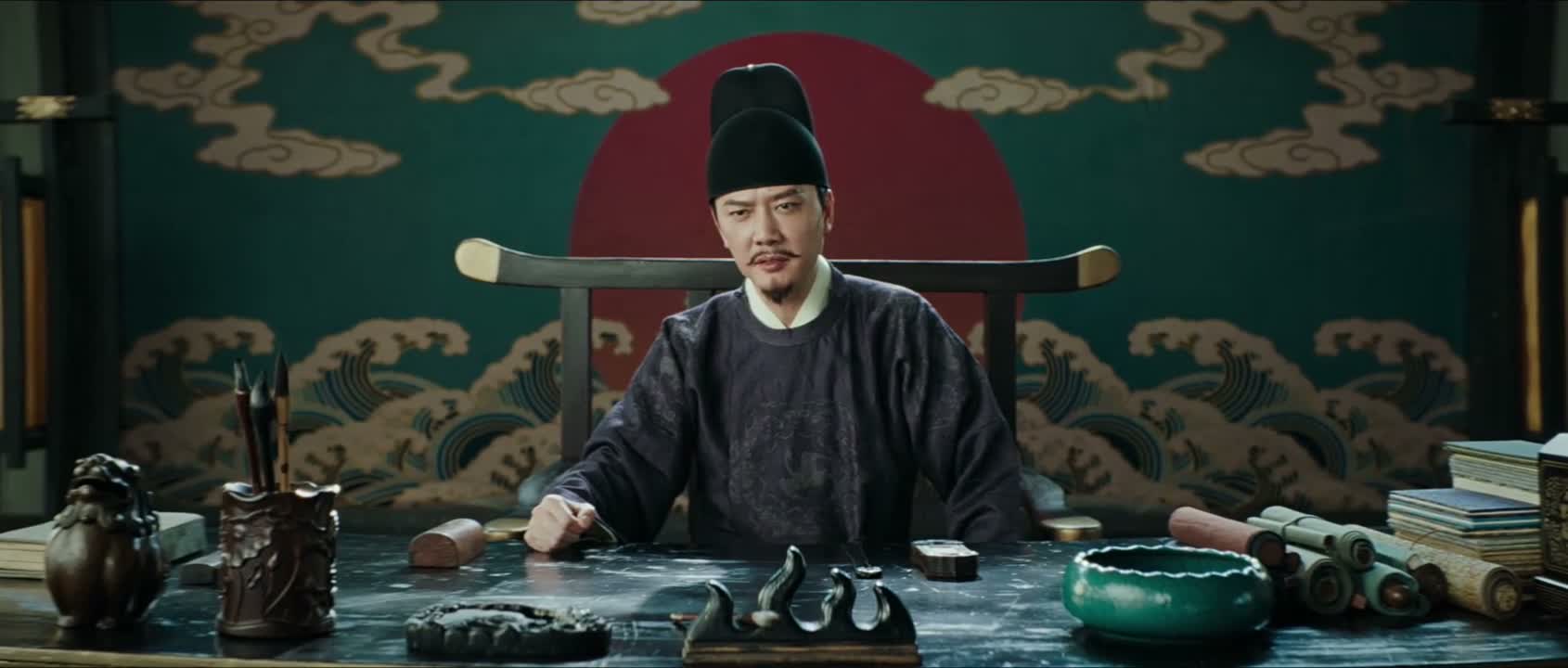
“under all this filth?”
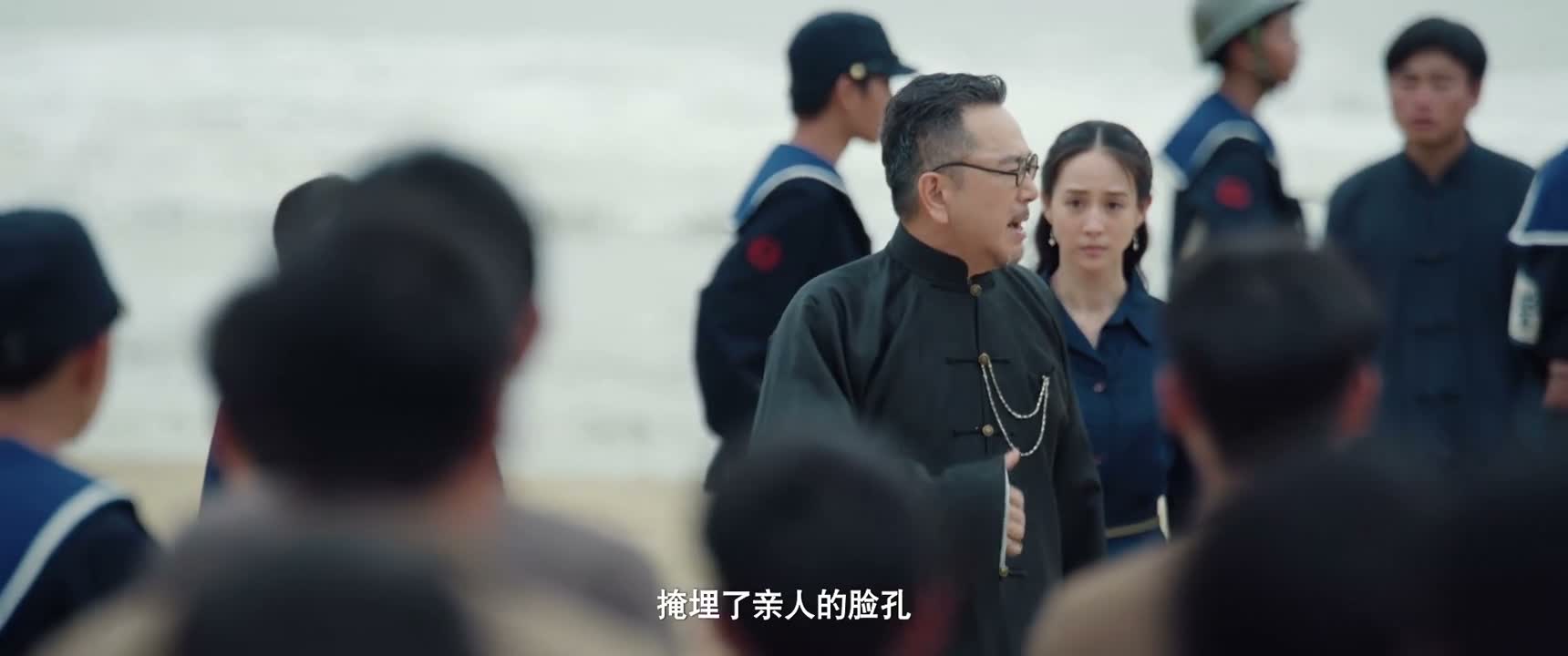
“buried our loved ones' faces”

“shouldn't be hastily buried without clarity.”

“I can't tell exactly who buried them.”