行了 你先回去吧
“Alright, you can go back.”
THE DIALOGUE REEL
明白了吗
“Get it now?”
行了 你先回去吧
“Alright, you can go back.”
“I'll have a good talk with my brother.”
“We are done here, leave so I can handle my family business.”
Chinese interpersonal dynamics often strictly compartmentalize family affairs ('jiashi') from external acquaintances, prompting direct dismissal of outsiders when private talks are required.
LEARNING CHUNKS & PARTICLES
that's enough; alright; that will do
Frequently used to cut someone off, wrap up a topic, or stop an ongoing action abruptly.
you head back first; you can leave now
A standard spoken formula to politely or firmly dismiss someone from a meeting or gathering.
Indicates completion or a change of state, functioning here in '行了' to signal that enough has been said.
Softens the imperative command, making the dismissal sound less harsh.
VOCABULARY & EXPRESSIONS
Parallel Spoken Cinema Scenes (语义近邻切片)
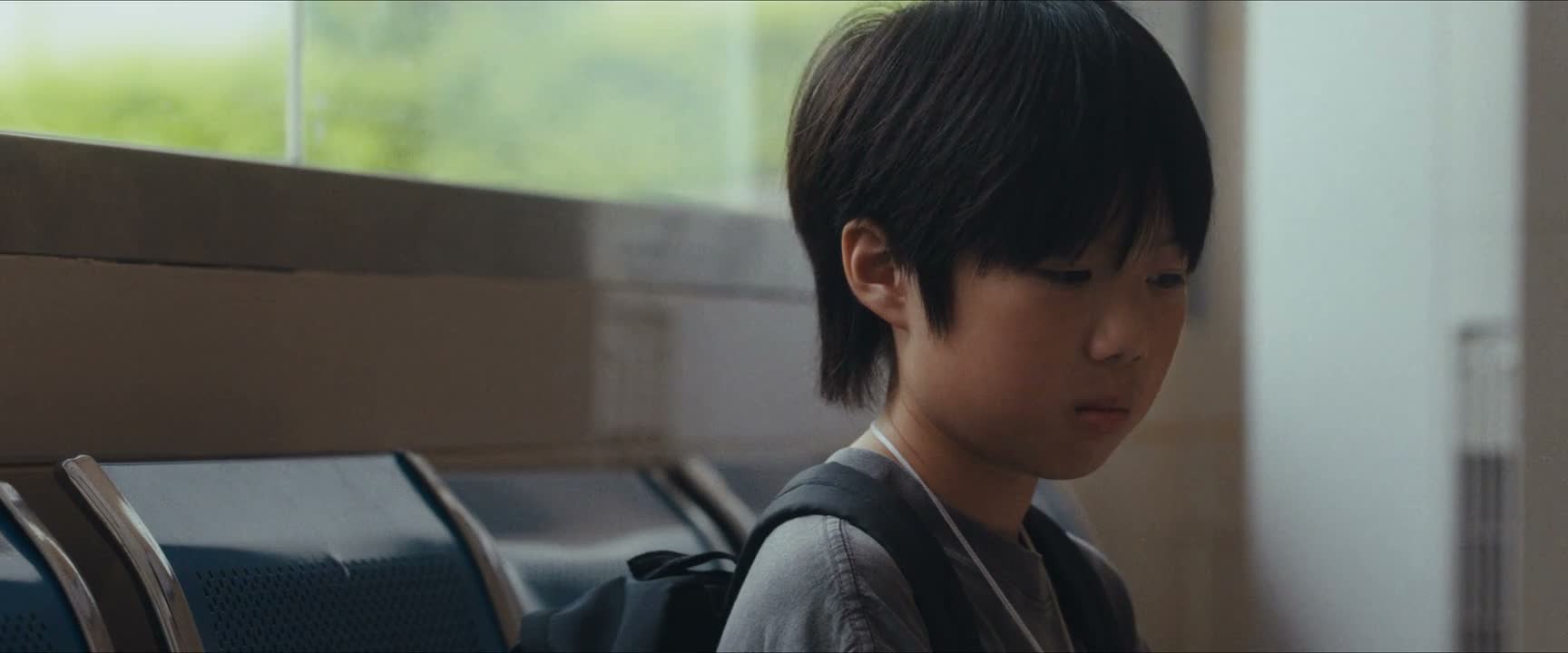
“Alright. Let's go back first, okay?”


“All right, it's pitch dark. Head back early. Yes.”

“I'll... Go back first. See you at the office tomorrow.”

“Alright, that's enough. Go back. This isn't a good place.”

“All right. You go back, wash up, and rest first.”

“You should head back first. I'll leave once you're inside. I'm already an adult.”

“Then you two go home first after I'm done shopping.”