说不定要趁这个时候 落井下石呢 该回去看看了
“They might take this opportunity to stab me in the back. I should go back and check.”
THE DIALOGUE REEL
港岛有人虎视眈眈
“People in Gangdao are eyeing us hungrily.”
说不定 要趁 这个 时候 落井下石 呢 该 回去 看看 了
“They might take this opportunity to stab me in the back. I should go back and check.”
那么盛城这边 要不要找人啊 什么都别动
“Then what about Shengcheng? Do we need to find someone... Don't do anything.”
“Our enemies won't hesitate to finish us off; we must act now before it's too late.”
Chinese business dialogue frequently invokes classic historical/moral idioms like '落井下石' to quickly frame adversarial dynamics and assess threat levels.
LEARNING CHUNKS & PARTICLES
perhaps / maybe / quite possibly
Useful conversational phrase to introduce a probable risk or realistic prediction.
take advantage of this moment / seize this timing
Used when timing is critical, either opportunistically or defensively.
drop stones on someone who has fallen into a well; hit someone when they are down
A vivid four-character idiom describing malicious exploitation of an adversary's misfortune.
Highlights the looming risk and gives an alerting, predictive nuance to the clause.
Signals change of situation, showing that the time has now arrived to take action.
VOCABULARY & EXPRESSIONS
Parallel Spoken Cinema Scenes (语义近邻切片)

“kick him while he's down too? How am I kicking him while he's down?”

“Maybe her capture was a deliberate”

“it is inferior, I'm afraid.”
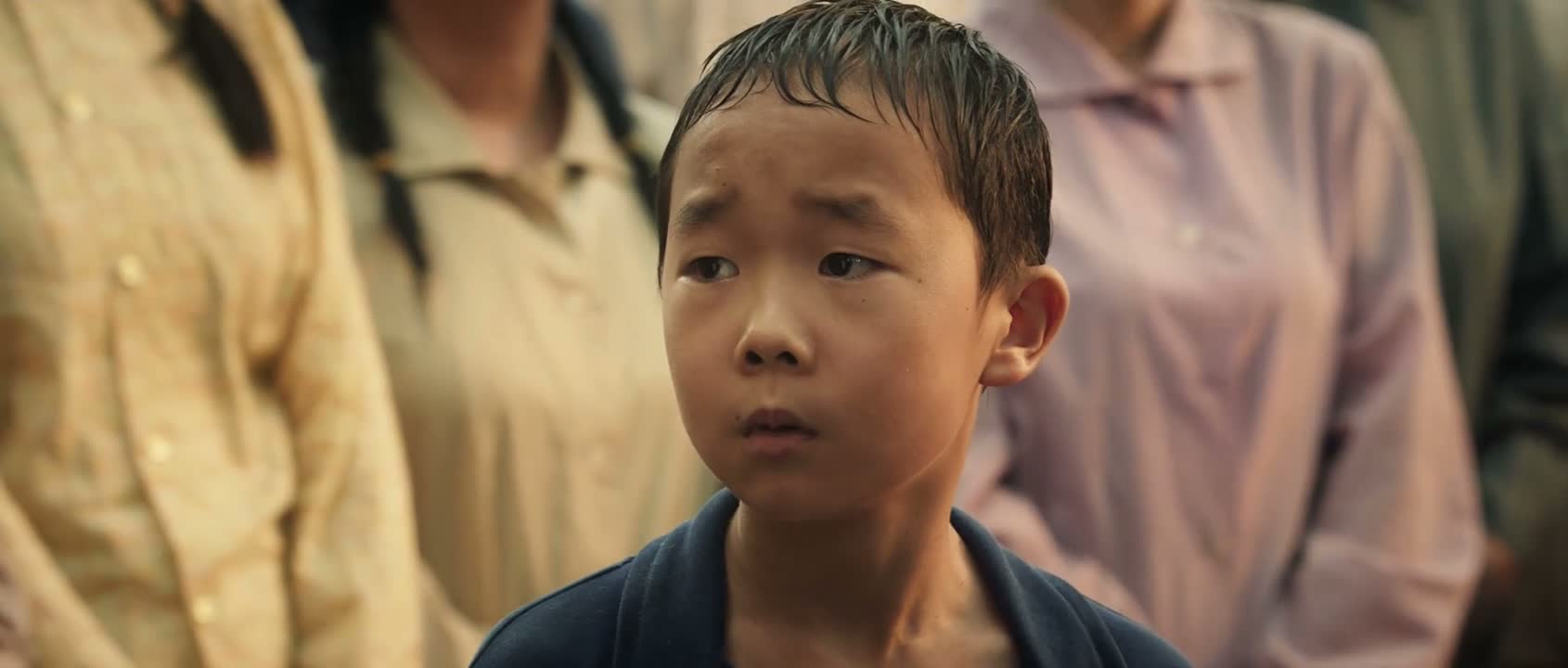
“Did I really make a huge mistake?”

“If you don't settle things with him now,”

“but to kick us when we're down is just too much.”