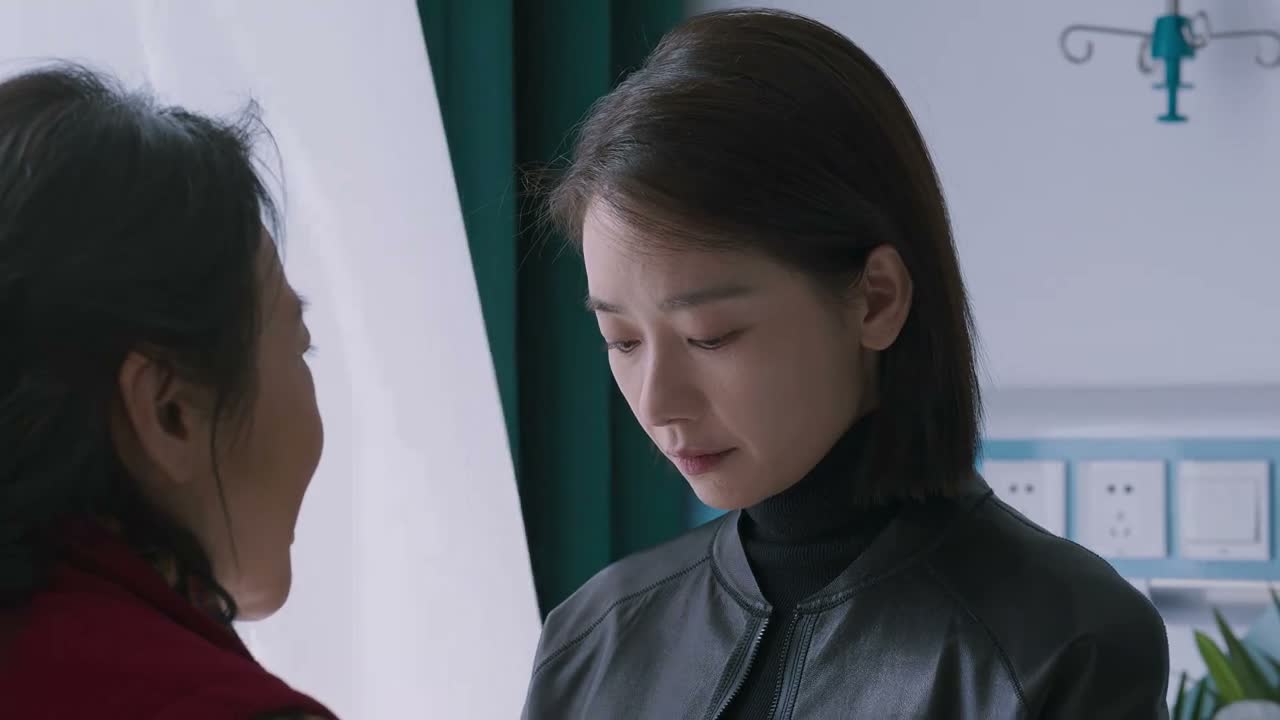
小伟这孩子倔得很
“Wei is a very stubborn child.”
THE DIALOGUE REEL
他好一点您再带他回去
“until he recovers a bit before taking him back?”
小伟这孩子 倔得很
“Wei is a very stubborn child.”
他要是恢复好了 就不会跟我走了 嫂子
“If he recovers, he won't come back with me. Yun,”
“If we wait until he's fully better, we will lose our window to make him return with me.”
Describing a junior relative as '倔' (stubborn) acknowledges their strong will while balancing familial responsibility and practical difficulties in managing them.
LEARNING CHUNKS & PARTICLES
extremely stubborn
The pattern 'Adjective + 得很' is an everyday colloquial way to say 'extremely' or 'very'.
this child / this kid
A standard parental or elder phrase used to affectionately or helplessly refer to a younger relative.
VOCABULARY & EXPRESSIONS
Parallel Spoken Cinema Scenes (语义近邻切片)

“Wei, you really act fast now. You're planning already?”

“Wei. Now she tells you everything.”

“Wei. Why are you interrupting? Is this any of your business?”

“Wei, the audacity! You can't even beat Sis Bai at arm wrestling,”
“I know she could be stubborn.”

“Let's help Wei look for it. -Okay. -Mrs. Liu. Don't worry.”