MC
MandarinClips Cinema Corpus
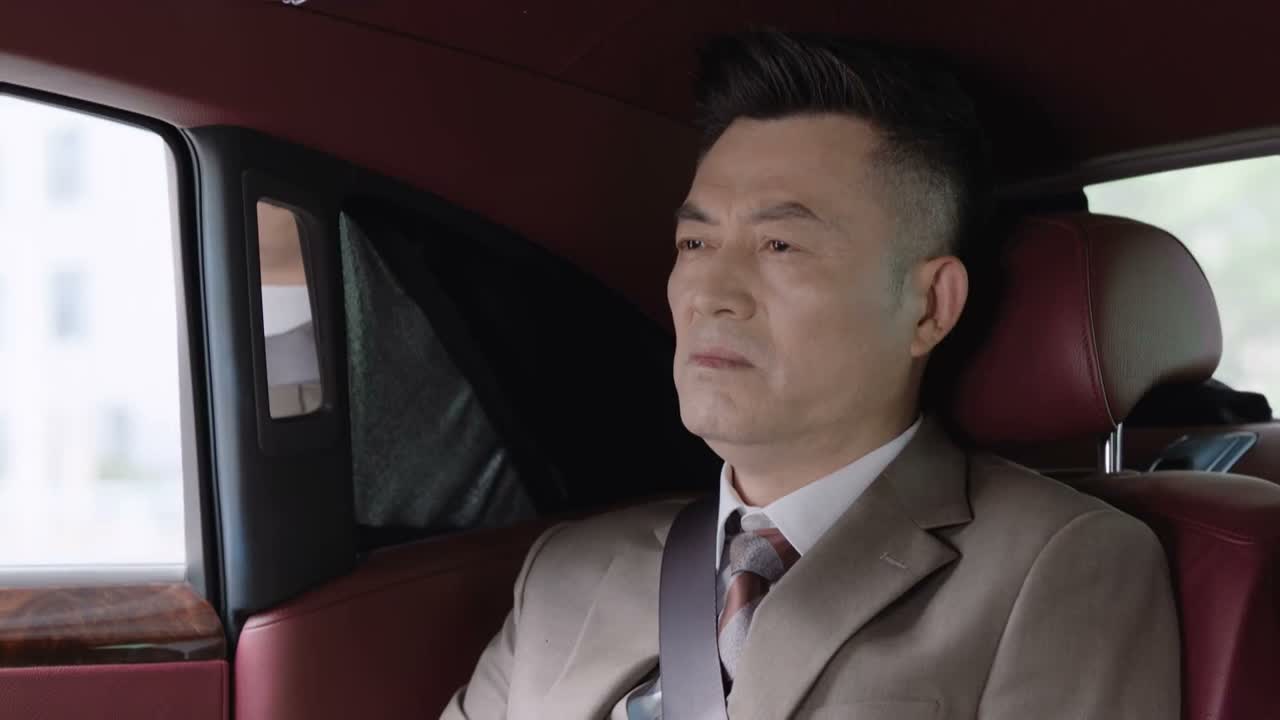
《Vanished Name》 S1·E20 (23:36) HSK 7
nà kěn dìng shì nà hái zi tài jué le

那肯定是那孩子太倔了

“I know she could be stubborn.”

《Vanished Name》 S1·E20
TIMECODE: 23:36 · 1080P MASTER AUDIO

THE DIALOGUE REEL

1+1+1 SPOKEN CONTINUITY
[-1] PREVIOUS TURN shì bú shì xiǎo míng rě nǐ shēng qì le

是不是小名惹你生气了

“Did Xiaoming upset you?”

nà kěn dìng shì nà hái zi tài jué le CURRENT FOCUS

那肯定 是 那孩子 太倔了

“I know she could be stubborn.”

[+1] FOLLOW-UP TURN nǐ zǎ méi qù qìng zhōu shàng dà xué ya

你咋没去庆州上大学呀

“Why didn't you go to Qingzhou University?”

Subtitles synced to millisecond timecode Browse Show Clips →
Scene: Family & Home
Function: DEFLECTING BLAME
Tone: COMFORTING
Emotion: SYMPATHY
WHAT THEY REALLY MEAN (PRAGMATIC SUBTEXT)
“You did nothing wrong; that kid is just difficult and headstrong.”
💡 Cultural Insight: Familial Deflection and Harmony

In intergenerational family conflicts, third parties often attribute friction to a child's 'stubborn' temperament to defuse tension without directly criticizing the parent.

INTENT TAGS: #attribution #empathy #deflection #comforting
🧩

LEARNING CHUNKS & PARTICLES

2 CHUNKS · 1 PARTICLES
那肯定是 SPOKEN CHUNK

that must definitely be

Used to express strong certainty or agreement, often to empathize with a conversational partner.

太倔了 SPOKEN CHUNK

too stubborn / headstrong

A common colloquial phrase used to describe an obstinate person or child who refuses to back down.

Modal Particle「了」 (le) CHANGE OF STATE

Functions as a marker of excessive degree when paired with '太', emphasizing the extent of stubbornness.
🏮

VOCABULARY & EXPRESSIONS

3 EXPR · 1 GRAMMAR
CROSS-CINEMA CORPUS BOARD · PARALLEL SCENES

Parallel Spoken Cinema Scenes (语义近邻切片)

EXPLORE BY SEMANTIC SIMILARITY
《Vanished Name》 S1·E20 (23:36) · Authentic Cinema Dialogue Corpus