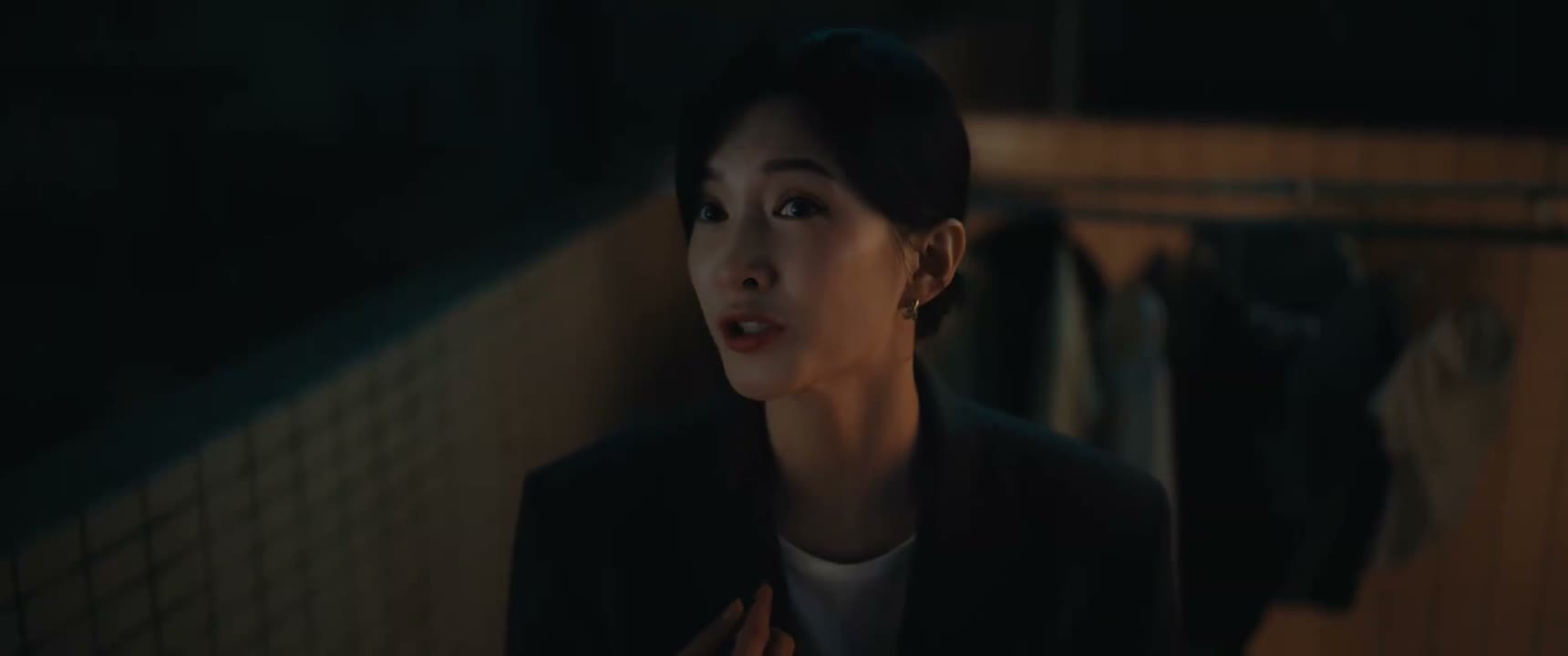
都是我的错 行了吧 你错哪了
“It's all my fault, okay? What exactly did you do wrong?”
THE DIALOGUE REEL
行行行
“All right.”
都是我的错 行了吧 你错哪了
“It's all my fault, okay? What exactly did you do wrong?”
那以后有什么事 我都先跟你说 好吧
“From now on, if anything happens, I'll tell you first, all right?”
“Fine, blame me for everything so we can drop it. — Don't patronize me, tell me what you actually did wrong!”
In Chinese couples' quarrels, taking all the blame dismissively is viewed as evasive and disrespectful, often escalating the conflict rather than resolving it.
LEARNING CHUNKS & PARTICLES
It's all my fault
Frequently used insincerely in quarrels to shut down further complaints.
Are you satisfied now?; Is that enough?
Conveys intense impatience and resentment when conceding a point.
What exactly did you do wrong?
A rhetorical challenge used in arguments to test whether an apology is sincere.
Softens the surface question but injects strong impatience and passive aggression.
Marks the completion of the action, anchoring the fault to past behavior.