徒儿怎么能对师父有非分之想呢
“How could an apprentice harbor improper thoughts about her master?"”
THE DIALOGUE REEL
我可是你的师父
“"I am your master, after all.”
徒儿 怎么能 对师父有 非分之想 呢
“How could an apprentice harbor improper thoughts about her master?"”
“You know full well I have feelings for you, but let's see you admit it first.”
In traditional Chinese culture and Wuxia/Xianxia genres, master-disciple relationships resemble parent-child ties, making romance between them a forbidden yet thrilling narrative trope.
LEARNING CHUNKS & PARTICLES
improper desires; unseemly or illicit aspirations
A set idiom often used half-jokingly or formally to describe inappropriate romantic interest or ambition above one's station.
how can one possibly
Used to frame a rhetorical question emphasizing moral, ethical, or practical impossibility.
Adds a playful, rhetorical, and slightly teasing bounce to the rhetorical question.
VOCABULARY & EXPRESSIONS
Parallel Spoken Cinema Scenes (语义近邻切片)
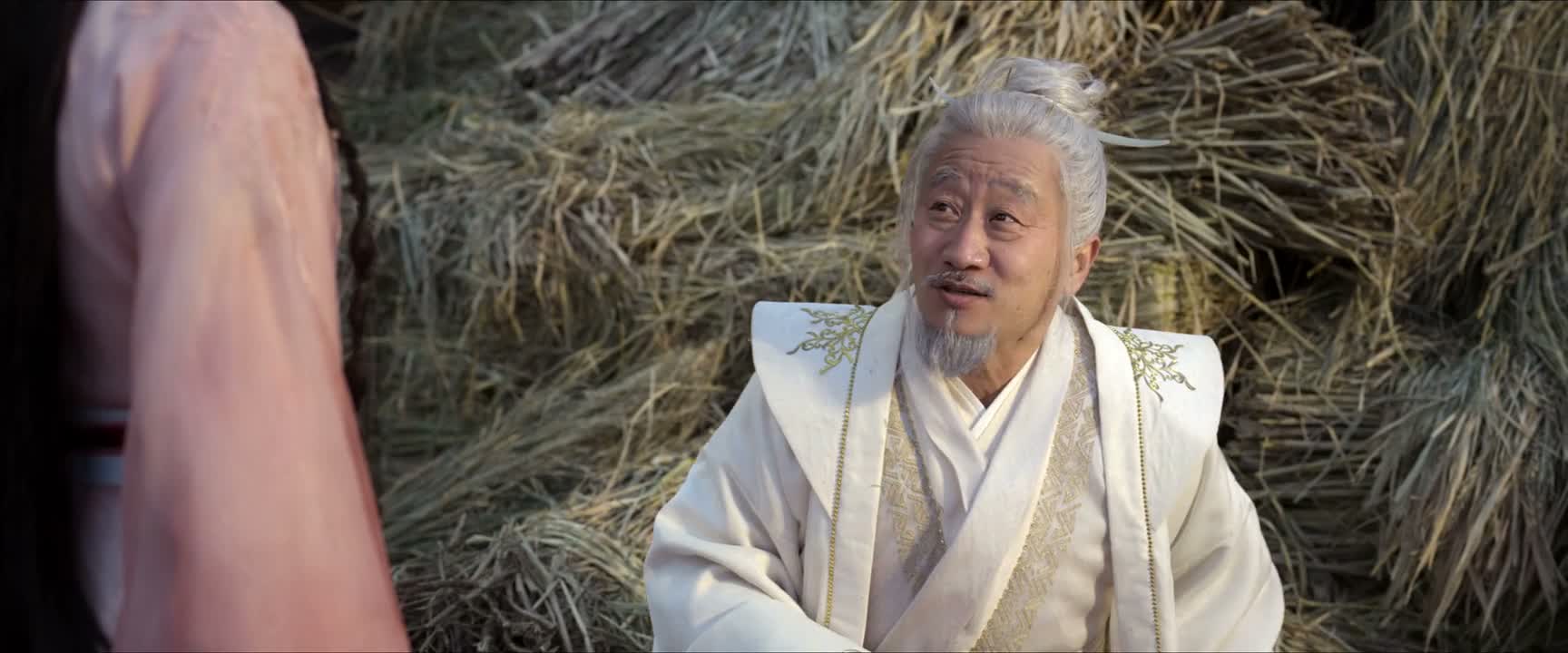
“My disciple, you still have much to learn.”

“Your master has extraordinary experience and skills,”
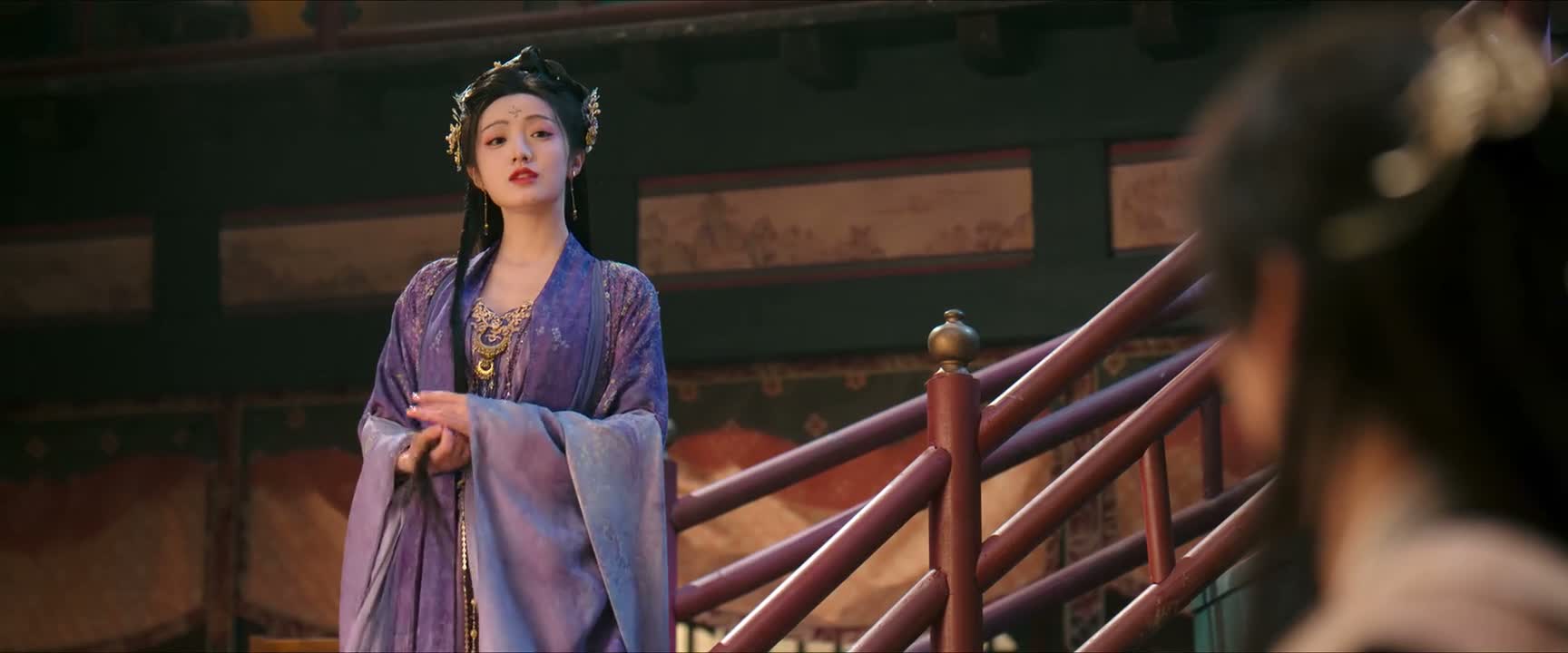
“decided not to accept you as a disciple—”

“But Mentor, will this really keep us from being discovered?”

“A master would never take advantage of his disciple. Right?”
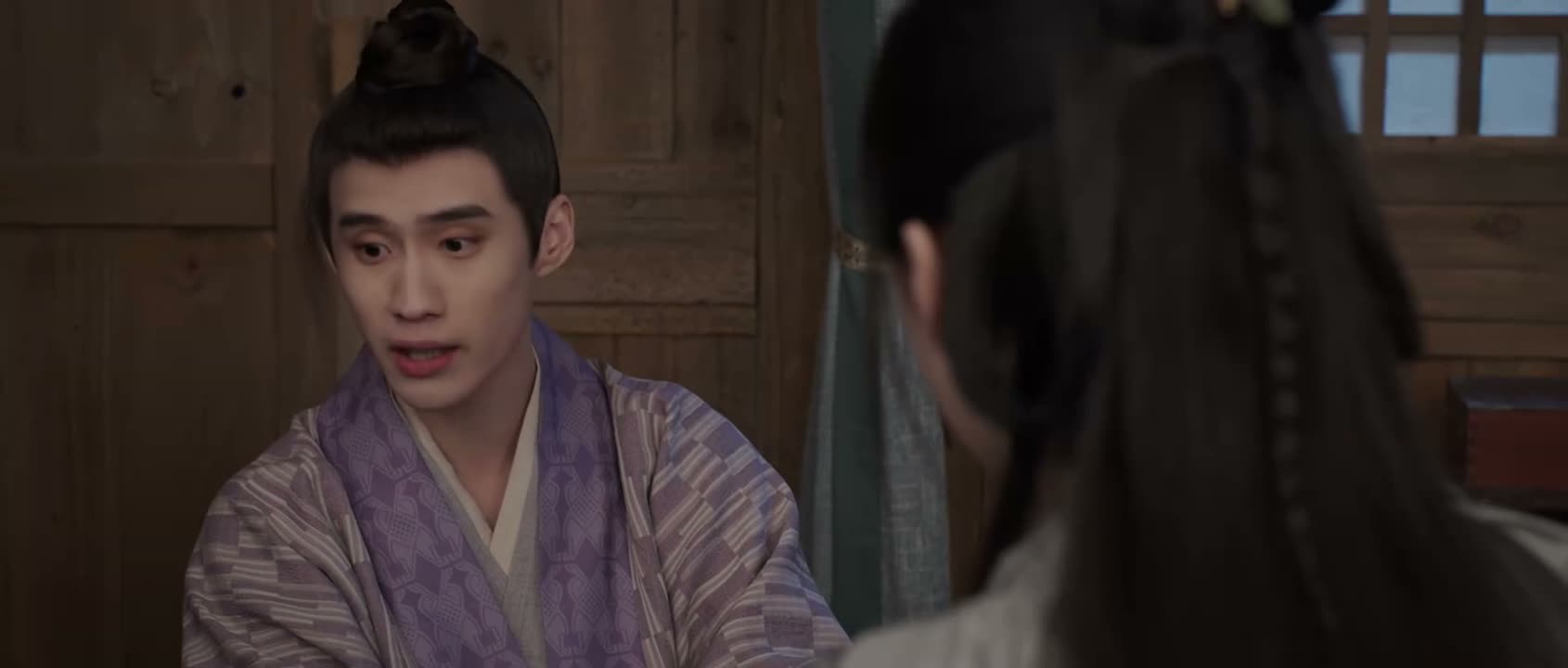
“What if Master finds out”