我知道了 狗儿 你先去忙吧
“I see, Doggie. You may get back to work now.”
THE DIALOGUE REEL
我拼命解释 他们就是不听 然后就把我赶出来了
“and tried desperately to explain, but they wouldn't listen, and then they drove me out.”
我知道了 狗儿 你 先去忙吧
“I see, Doggie. You may get back to work now.”
狗儿
“Doggie.”
“I understand what happened; leave it to me for now and go back to your work.”
Telling someone to 'go be busy' (先去忙吧) allows the speaker to terminate an exchange courteously while validating the other person's usefulness.
LEARNING CHUNKS & PARTICLES
I know / Understood / Got it
Commonly used to acknowledge receipt of information and often signals readiness to end the conversation.
go ahead and get back to your work
A polite formula used by managers, seniors, or hosts to dismiss someone gracefully without sounding harsh.
Softens the imperative into a gentle suggestion or polite dismissal.
VOCABULARY & EXPRESSIONS
Parallel Spoken Cinema Scenes (语义近邻切片)

“I know. You know?”

“Got it. I was just trying to make you smile.”

“I got it. Thank you.”

“I get it now. You've been following me since this morning.”
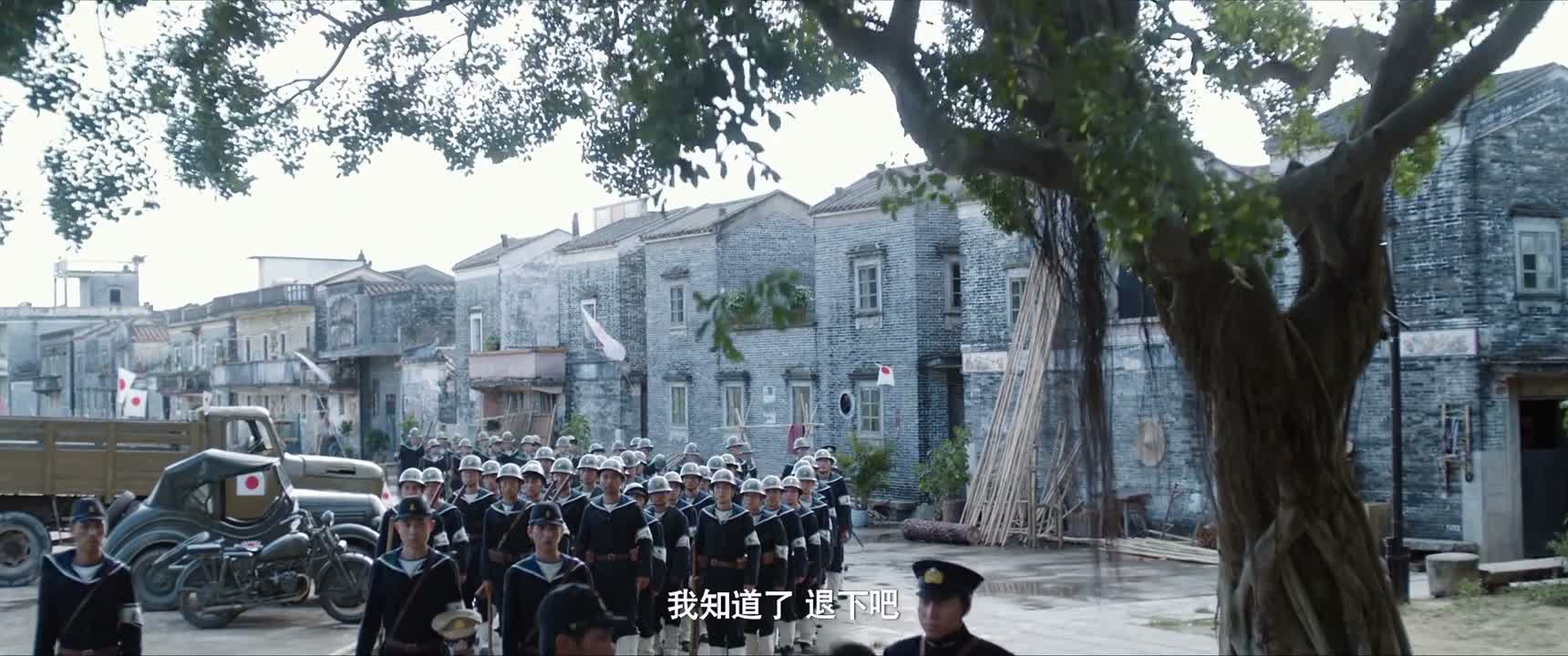
“Understood. Dismissed.”

“Even if I did, I wouldn't tell him. That's business rules.”