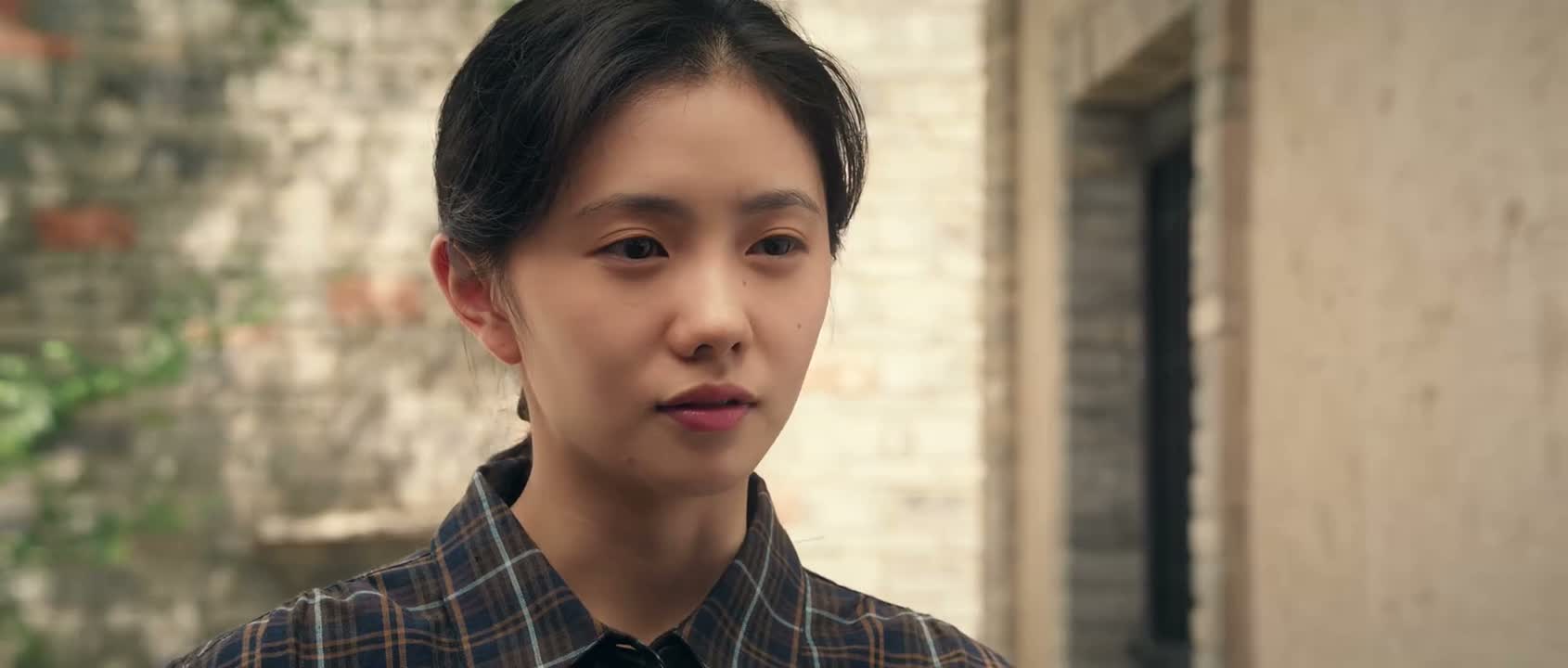
《Mama Go!》 S1·E10 (14:38)
HSK 4
nǐ shì bú shì hěn shēng wǒ de qì a
你是不是很生我的气啊
“Are you very angry with me?”
《Mama Go!》
S1·E10
TIMECODE: 14:38
·
1080P MASTER AUDIO
THE DIALOGUE REEL
[-1] PREVIOUS TURN
nà wǒ men liáo liáo
那我们聊聊
“Then let's talk.”
nǐ shì bú shì hěn shēng wǒ de qì a
CURRENT FOCUS
你是不是 很 生我的气 啊
“Are you very angry with me?”
[+1] FOLLOW-UP TURN
zhè jǐ tiān
这几天
“These past few days...”
Subtitles synced to millisecond timecode
Browse Show Clips →
Scene:
Social & Dating
Function:
PROBING
Tone:
TENTATIVE
Emotion:
ANXIETY
WHAT THEY REALLY MEAN (PRAGMATIC SUBTEXT)
“I know you are mad at me; please talk to me so we can fix this.”
💡 Cultural Insight: Emotional Reconciliation (Da Yuan)
Asking about anger directly is a common, gentle icebreaker to demonstrate concern and initiate emotional repair after a period of silent treatment.
INTENT TAGS:
#probing
#reconciliation
#softening
#guilt
🧩
2 CHUNKS · 1 PARTICLES
LEARNING CHUNKS & PARTICLES
是不是
SPOKEN CHUNK
is it true that...; whether or not
Used as a conversational tag or probe to test a hypothesis while softening the accusation.
生我的气
SPOKEN CHUNK
angry with me; mad at me
The standard split-form (separable verb) collocation of '生气' used to indicate targeted resentment.
Modal Particle「啊」 (a)
CHANGE OF STATE
Softens the interrogative tone into a gentler, more cautious probe to invite an open response.
🏮
2 EXPR · 12 GRAMMAR
VOCABULARY & EXPRESSIONS
CROSS-CINEMA CORPUS BOARD · PARALLEL SCENES
EXPLORE BY SEMANTIC SIMILARITY
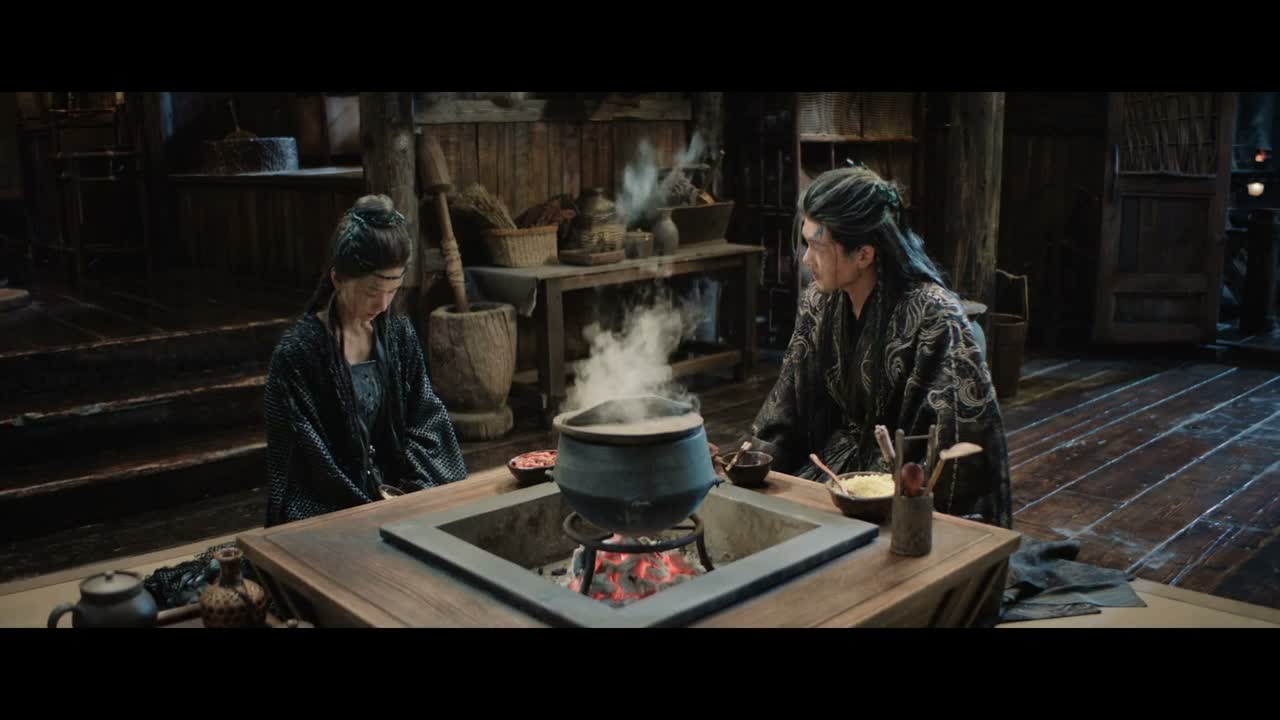
Parallel Spoken Cinema Scenes (语义近邻切片)

《Mama Go!》 S1·E10 (14:38) · Authentic Cinema Dialogue Corpus