可我也是被逼无奈呀
“I know I did something wrong, but I had no choice.”
THE DIALOGUE REEL
“Wanzhou, listen to me. I know I did something wrong, but I had no choice.”
可我 也是 被逼无奈 呀
“I know I did something wrong, but I had no choice.”
你
“Wanzhou, you can't blame me.”
“Don't blame me for hurting you; I'm a victim of circumstances too, so you should forgive me.”
In Chinese interpersonal conflicts, claiming 'beibi wunai' (being forced with no alternative) is a classic face-saving strategy to preserve one's moral standing while admitting to a harmful act.
LEARNING CHUNKS & PARTICLES
forced by circumstances / having no other choice
A high-frequency four-character idiom used when apologizing or defending oneself to explain that one acted against their own will.
but I was also...
A conversational pivot used after an apology to introduce a self-defense or mitigating excuse.
Softens the defensive statement and adds a pleading, emotional tone to beg for the listener's understanding.
VOCABULARY & EXPRESSIONS
Parallel Spoken Cinema Scenes (语义近邻切片)

“I had no choice, you know.”
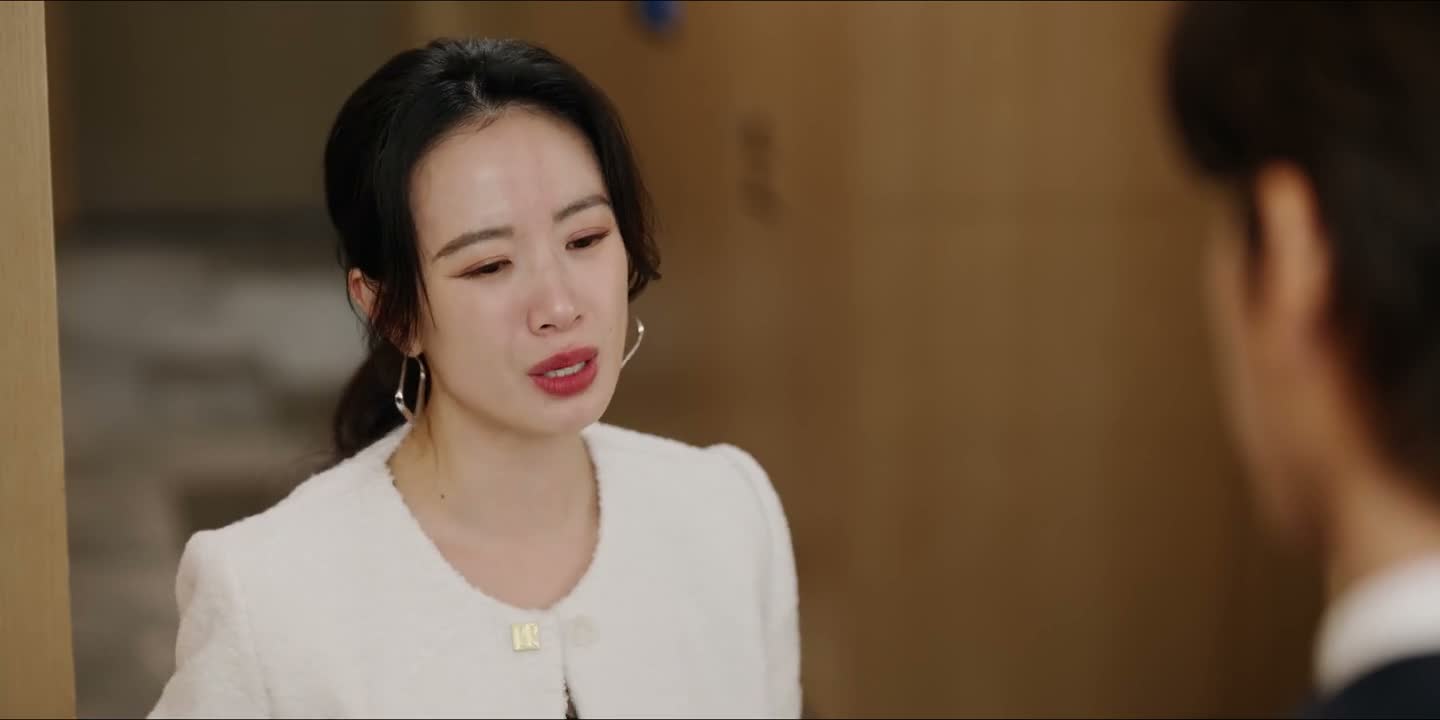
“I was really pushed too far by them”

“I had no choice.”

“I have no choice.”

“There were times that we had to turn a blind eye to them.”
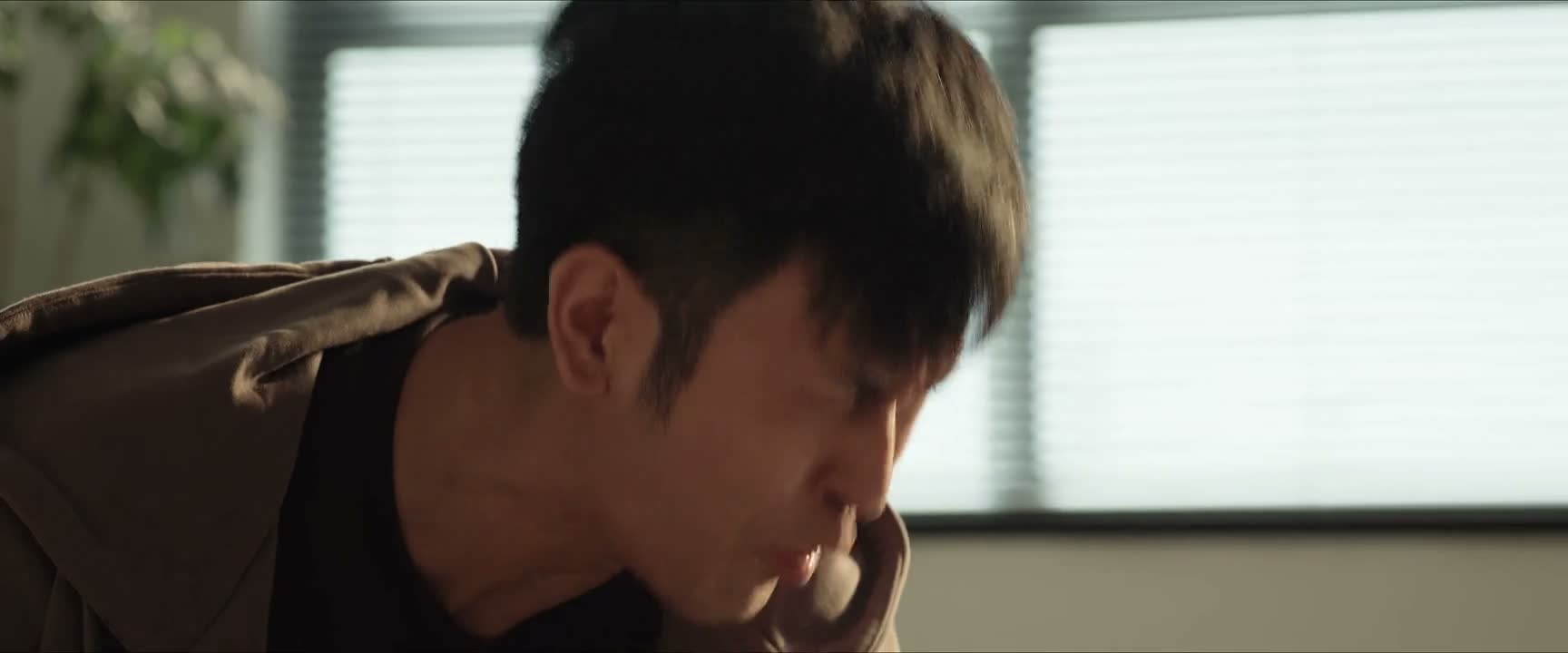
“was out of desperation! I can turn myself in.”
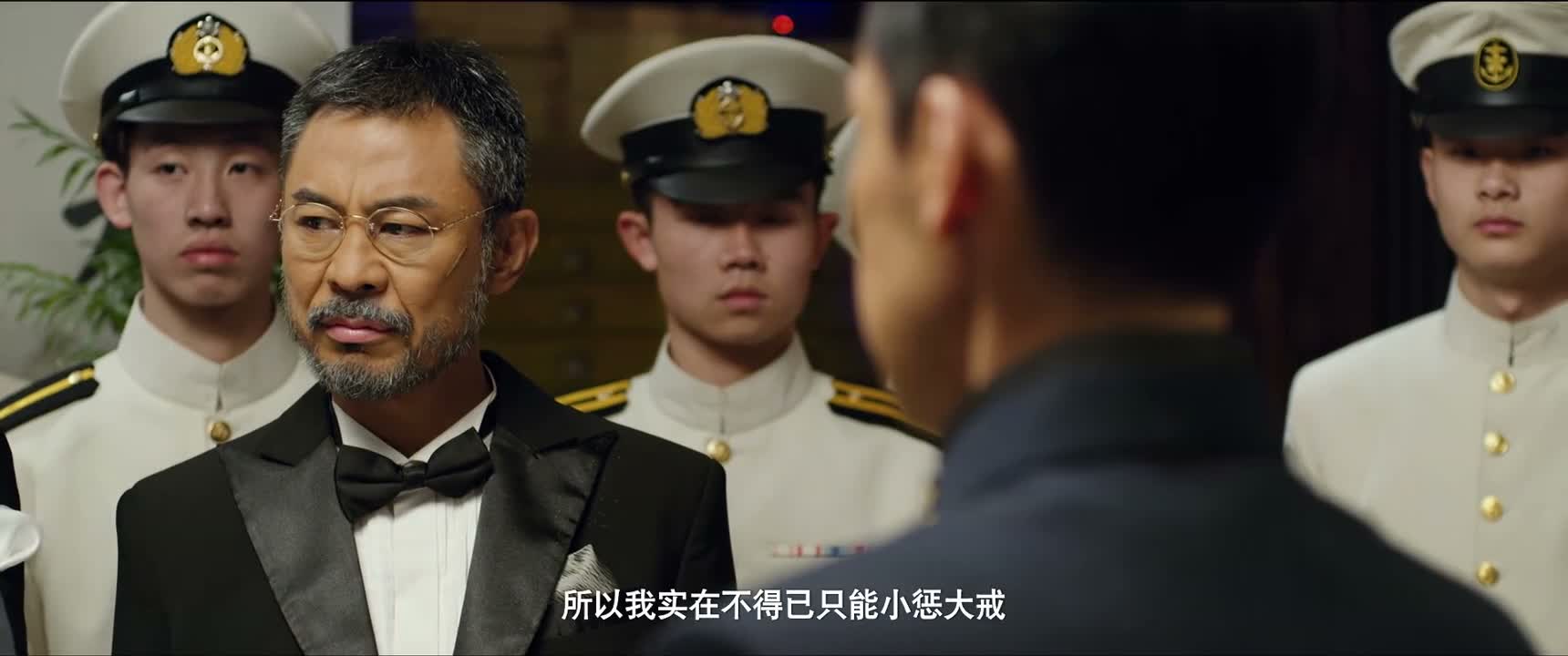
“Thus, I had no choice but to administer a minor punishment as a warning.”
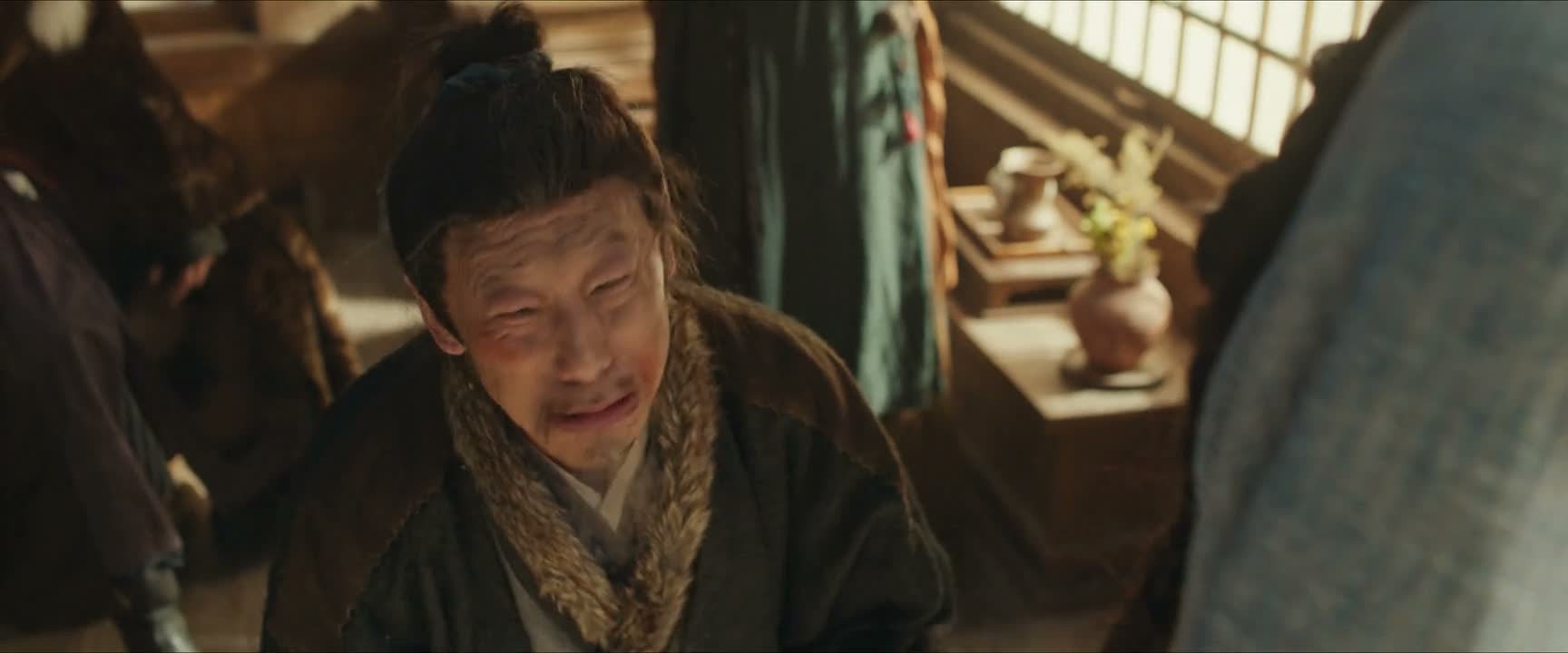
“I didn't have a better choice.”

“Given the situation back then, I really had no choice.”

“I was forced. If I didn't cooperate,”