挽舟 你听我说 我知道我对不起你
“Wanzhou, listen to me. I know I did something wrong, but I had no choice.”
THE DIALOGUE REEL
护院
“Guards!”
挽舟 你听我说 我知道 我对不起你
“Wanzhou, listen to me. I know I did something wrong, but I had no choice.”
“I know I did something wrong, but I had no choice.”
“Hear me out before you punish me; I had no other choice.”
In Chinese interpersonal conflict, admitting fault explicitly ('对不起你') first is often a strategy to soften emotional hostility before presenting self-justifications.
LEARNING CHUNKS & PARTICLES
listen to me
A common phrase used to interrupt someone or beg for an opportunity to explain oneself in tense situations.
let you down / wronged you
Used to express deep moral guilt or admit betrayal toward someone close, stronger than a simple apology.
VOCABULARY & EXPRESSIONS
Parallel Spoken Cinema Scenes (语义近邻切片)
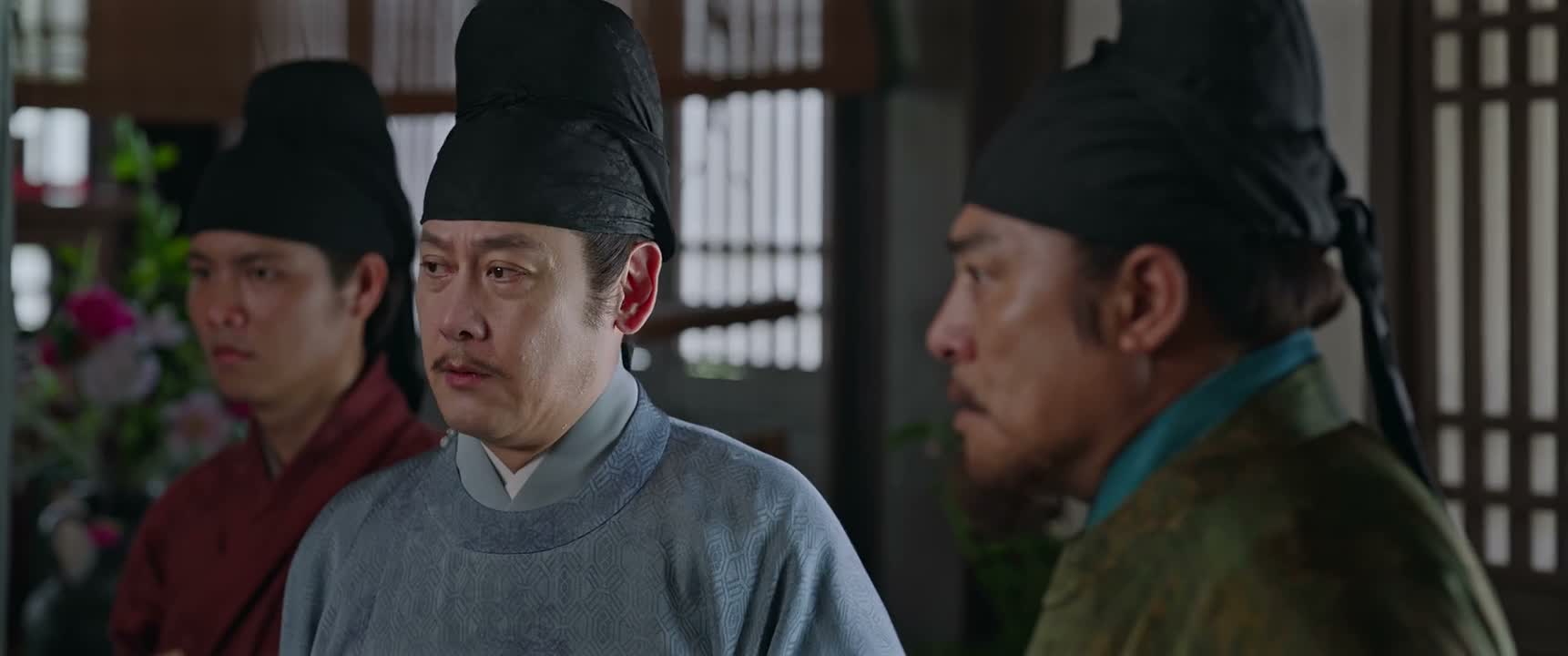
“Wanzhou, listen to Wending. Hand over the imperial edict.”
“(Wanzhou, General Mo won't return to the capital without a decree.)”

“and turn this around is you.”

“I feel I can't drag you all down with me.”
“is like sailing on a vast ocean.”

“At this rate, more people will be involved.”