是不是真的不在了
“Whether she's really gone?”
THE DIALOGUE REEL
她是不是
“whether she...”
是不是真的 不在了
“Whether she's really gone?”
我记着了
“I'll remember that.”
“Tell me the truth: is she dead?”
In Chinese culture, explicitly uttering the word for death (死) is considered inauspicious and emotionally harsh, making gentle euphemisms like '不在了' standard across spoken registers.
LEARNING CHUNKS & PARTICLES
passed away / no longer with us
A universal and polite Chinese euphemism for death, equivalent to 'passed away' in English.
is it really true that...
Used when seeking verification about a shocking or hard-to-believe piece of news.
Indicates a permanent change of state from living to deceased.
VOCABULARY & EXPRESSIONS
Parallel Spoken Cinema Scenes (语义近邻切片)

“I'm clueless about how he's doing over there now.”

“he's already gone.”

“But it's been so many years. I'm not sure if they're still there.”

“he's already gone.”
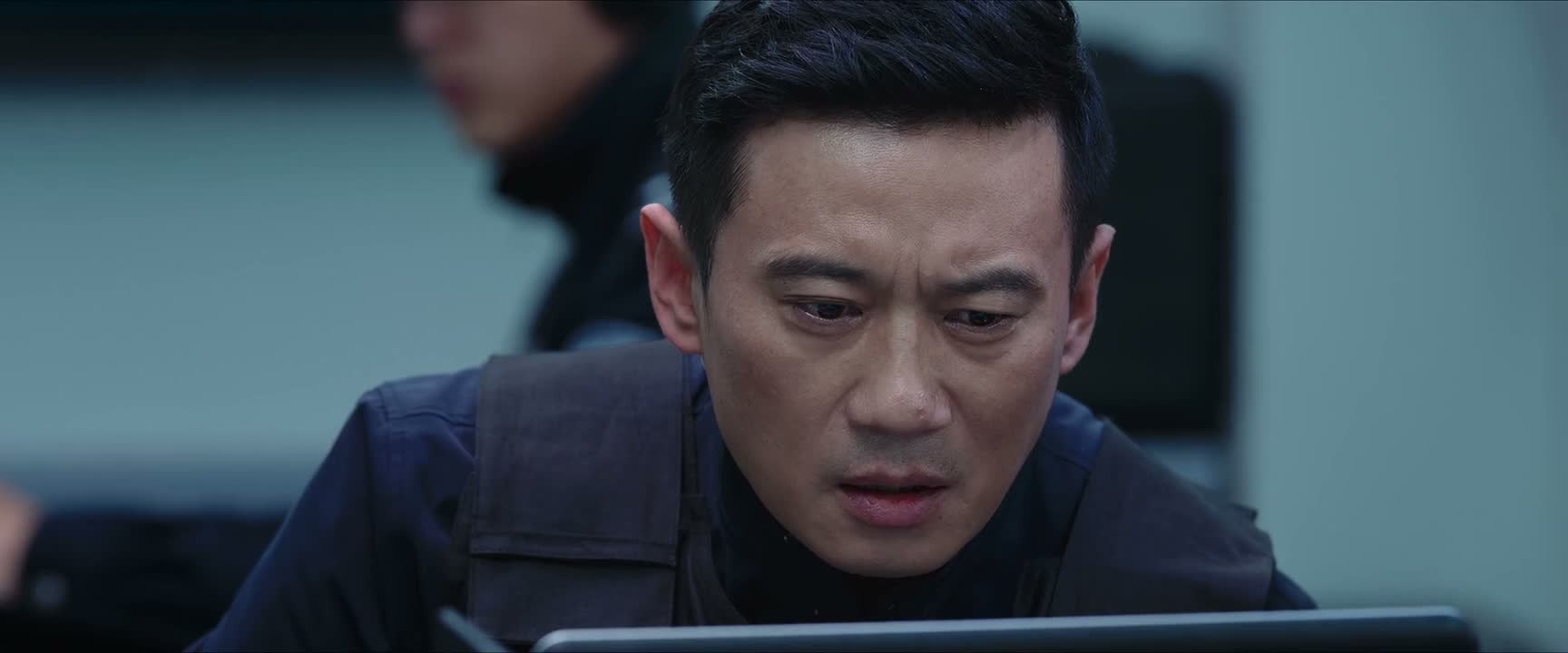
“I don't know, either. I just found out he's gone.”
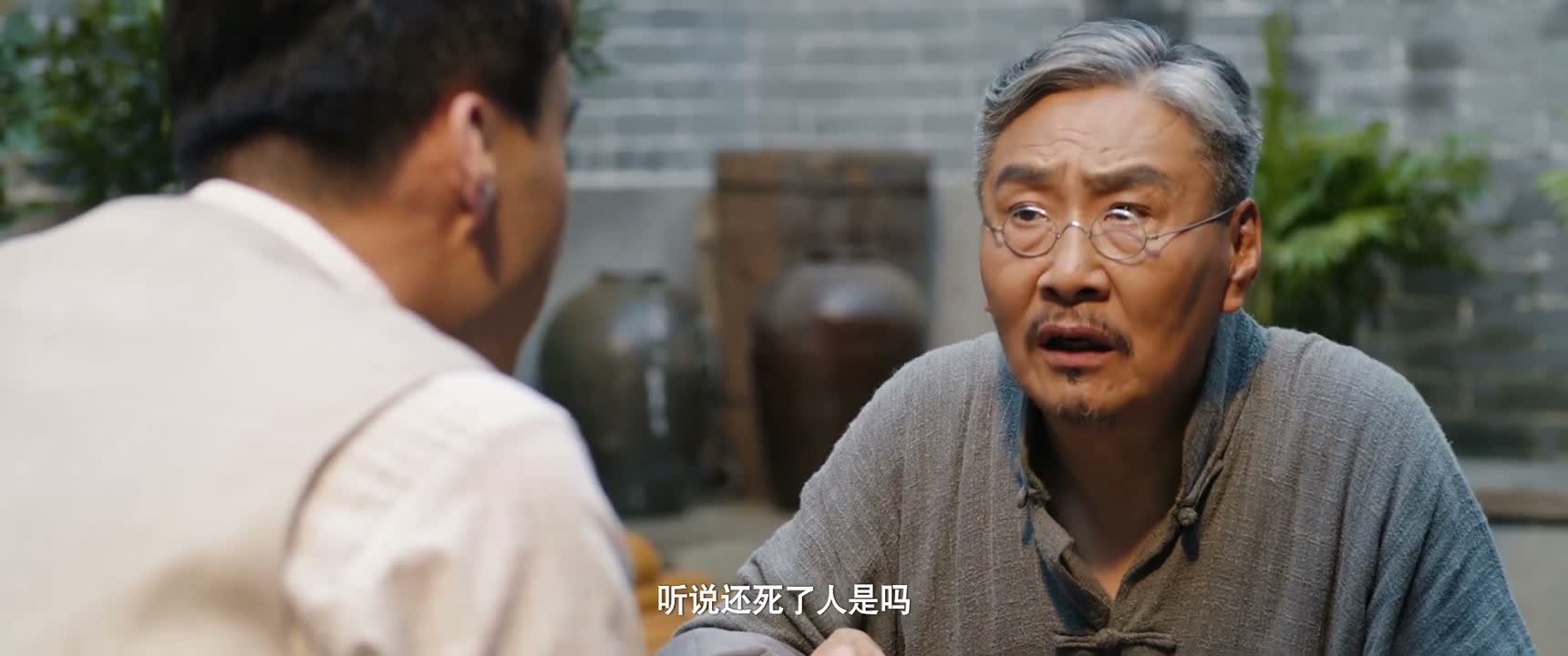
“I heard people died, is that right?”