用不着次次亲自上门吧
“The chairman's daughter doesn't need to show up in person every time.”
THE DIALOGUE REEL
区区一千万的贷款 集团董事长千金
“For a loan of only ten million. The chairman's daughter doesn't need to show up in person every time.”
用不着 次次 亲自 上门吧
“The chairman's daughter doesn't need to show up in person every time.”
“Maybe Mr. Wang is more attractive than the loan itself.”
“She clearly isn't here for the business; she's definitely after Manager Wang.”
A polite, respectful term for someone else's daughter, often associated with prominent families or corporate chairpersons to denote a wealthy, high-status young lady.
In Chinese workplaces, colleagues often seize on unusual business interactions (such as a VIP client being overly hands-on or attentive) to playfully tease and speculate about romantic interests.
LEARNING CHUNKS & PARTICLES
no need to; unnecessary
A high-frequency colloquial expression often used to dissuade someone or to dismiss an overreaction or unnecessary effort.
to visit in person; to drop by personally
Often used to emphasize that someone of high status visits in person rather than sending someone else, signaling extraordinary attention or an unusual irregularity.
Placed at the end of a sentence to express speculation or deduction while seeking confirmation, making the playful, gossiping tone sound more natural.
VOCABULARY & EXPRESSIONS
Parallel Spoken Cinema Scenes (语义近邻切片)

“If you had not come,”
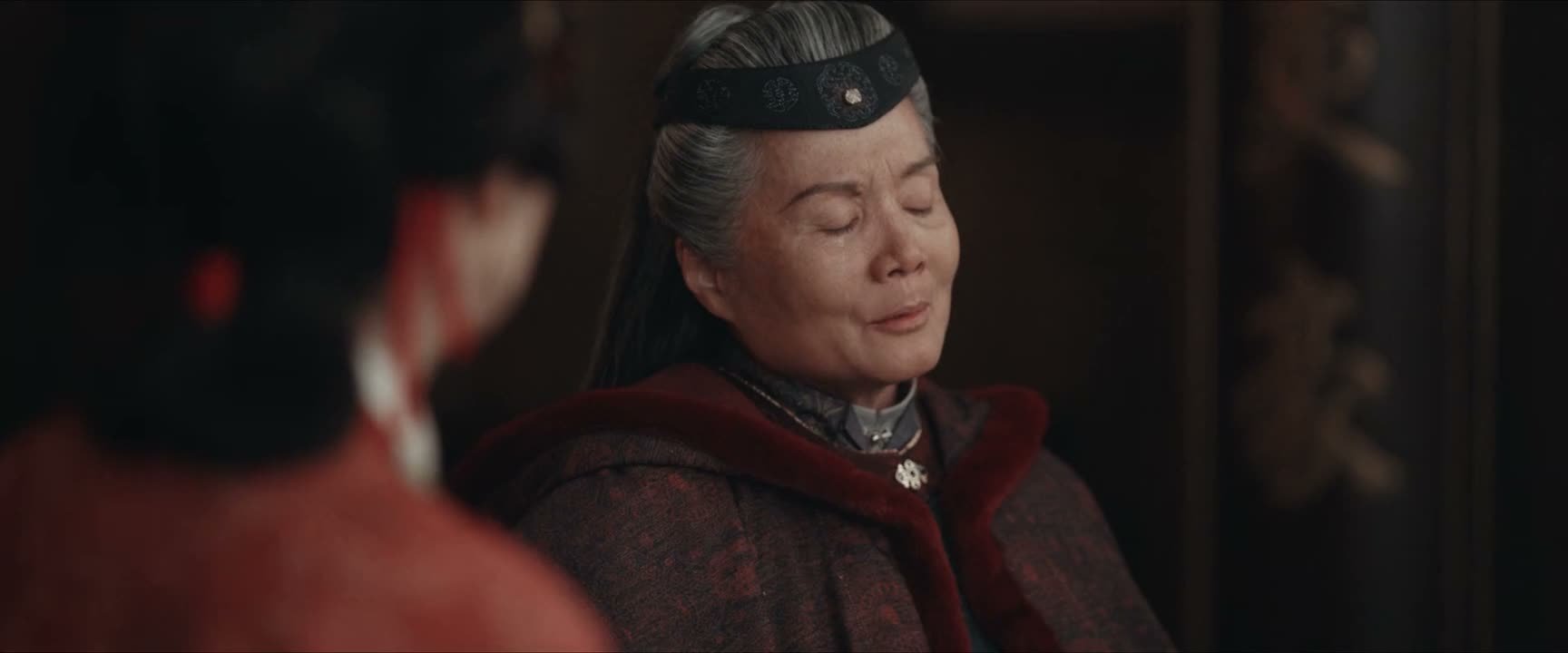
“that I must go in person”

“If we pay a call and he won't see us, then we'll make him invite us.”

“So we have to make house calls.”
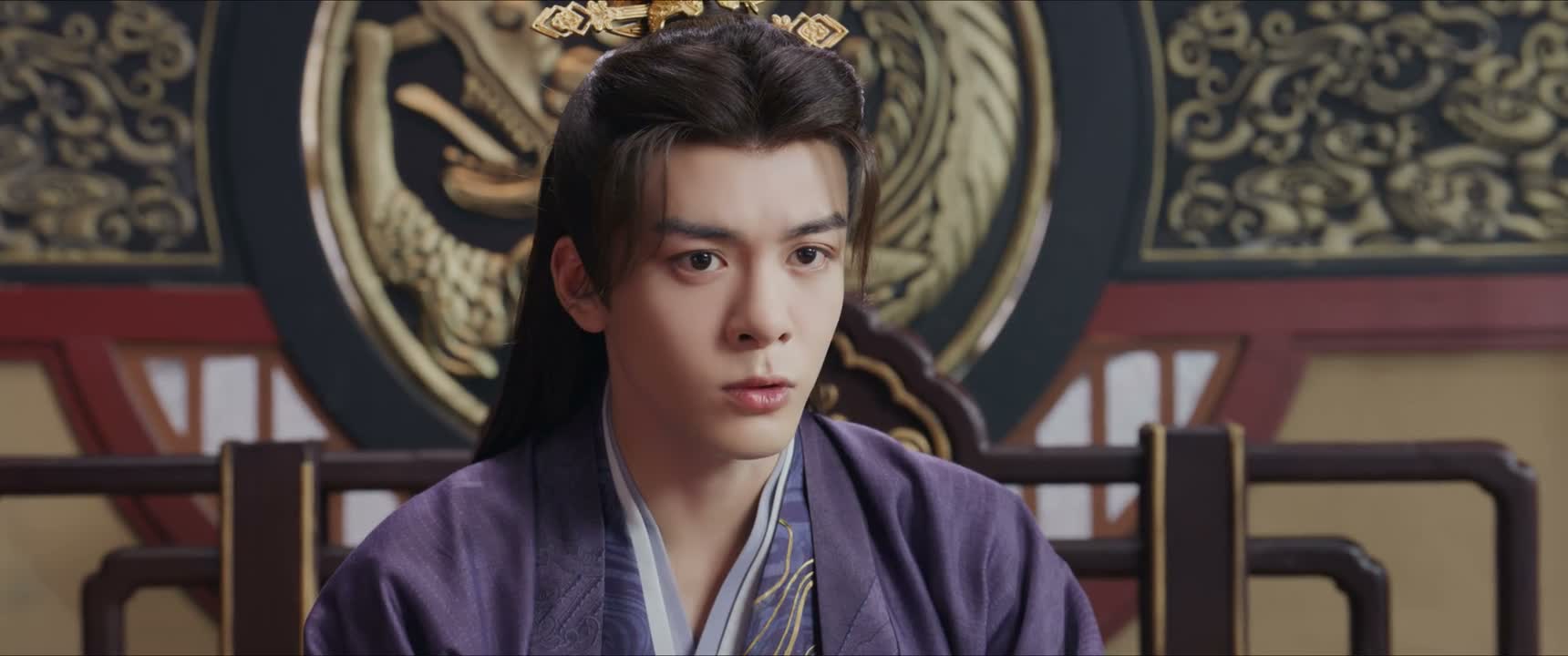
“I must go there myself.”
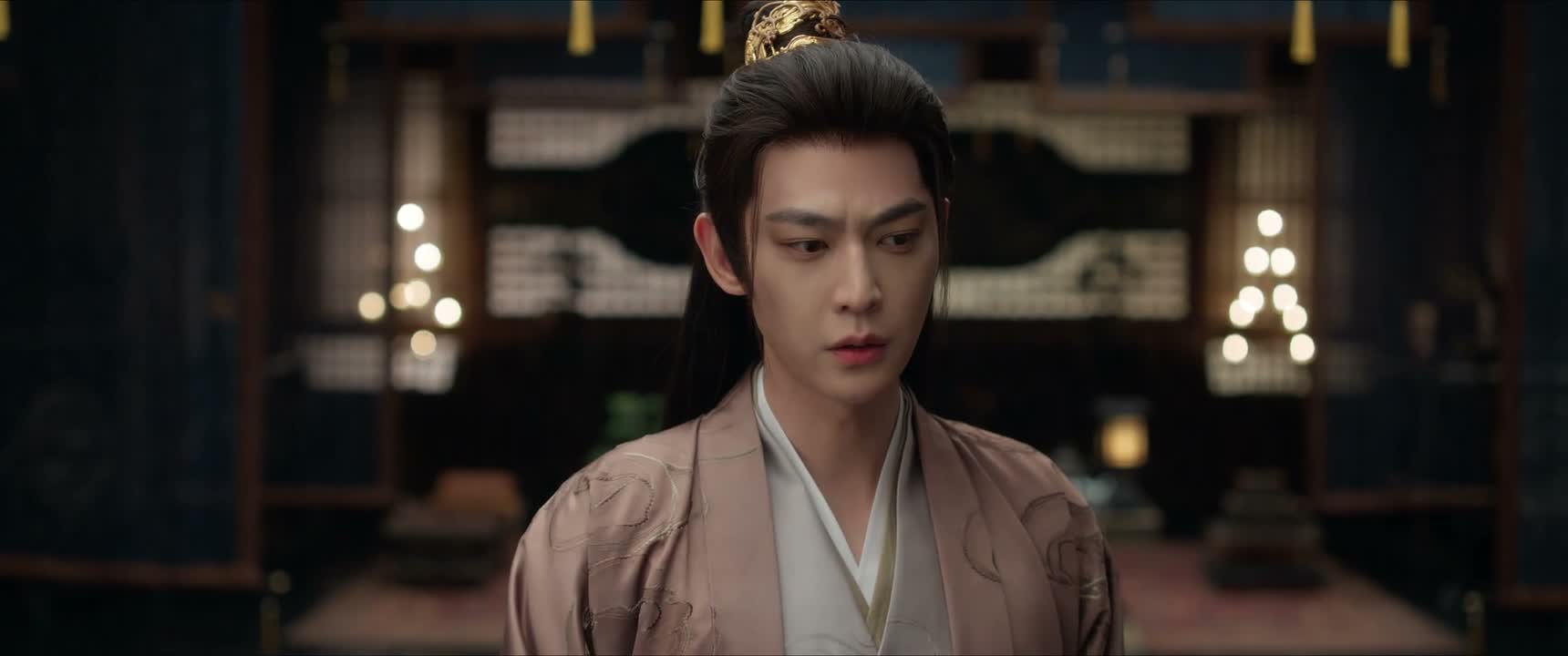
“we won't even need to act ourselves,”