记得把紧急开门手续给补了 好
“Make sure to follow the emergency break-in protocol later. Okay.”
THE DIALOGUE REEL
“I'll go to Ma Qiang and call the owner.”
记得 把紧急 开门 手续 给补了 好
“Make sure to follow the emergency break-in protocol later. Okay.”
爸
“Dad.”
Direct spoken expression in this communicative setting.
In modern Chinese property management and workplace settings, emergencies often follow the principle of 'handling special cases with special measures'—handling the urgent crisis first, then strictly completing retroactive approvals, signatures, or registrations afterward to mitigate legal and liability risks.
LEARNING CHUNKS & PARTICLES
a common sentence pattern used to remind someone to complete a certain task or action
Frequently used in spoken Chinese by superiors to subordinates, between colleagues, or within families to assign pending tasks, carrying a tone of reminder and follow-up.
to retroactively complete relevant procedures, forms, or approvals
Used in workplace, administrative, or property management contexts, referring to fulfilling compliance documentation after urgent action has already been taken.
VOCABULARY & EXPRESSIONS
Parallel Spoken Cinema Scenes (语义近邻切片)

“I rushed over and opened the door.”
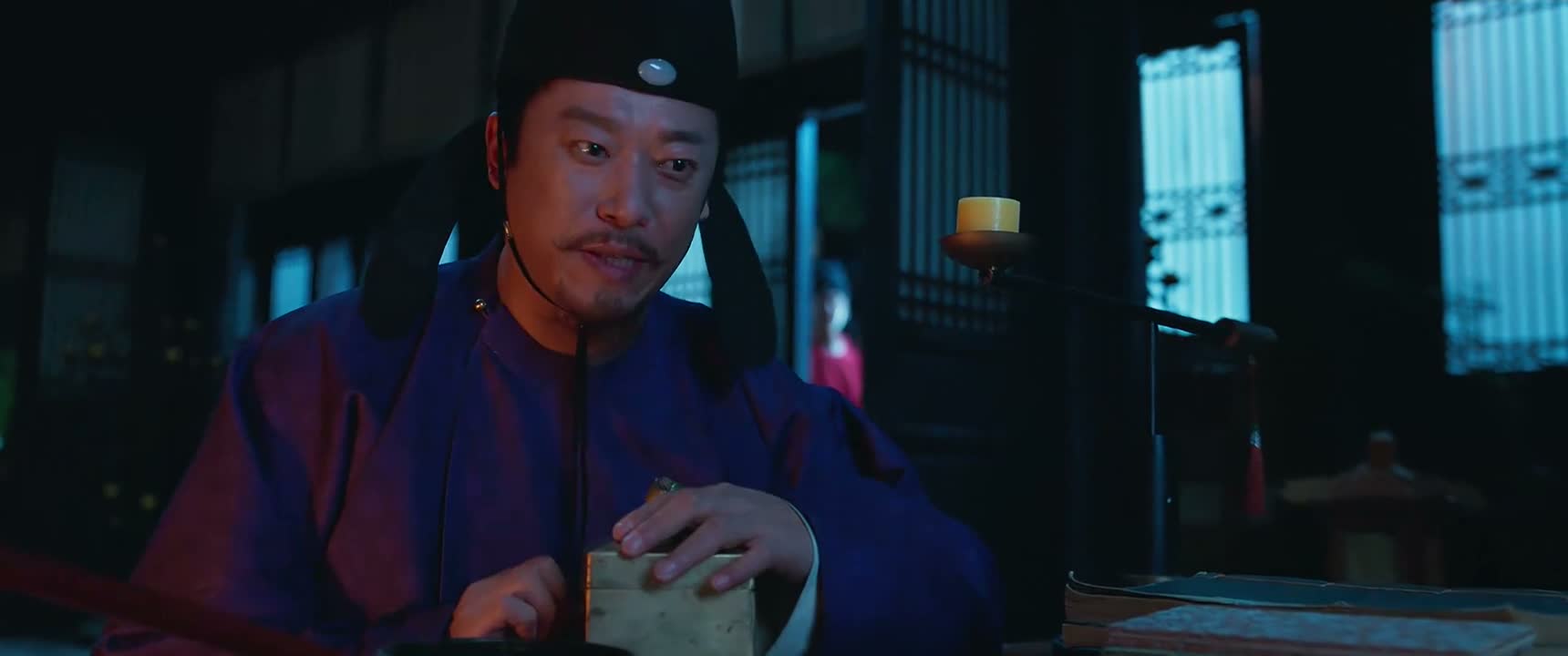
“I was in a hurry and forgot to lock the door.”

“Nothing. You just need to open the gate.”

“I'm not asking you to bend the rules.”

“but not much. Stop nagging. Hurry up and help me open the door!”
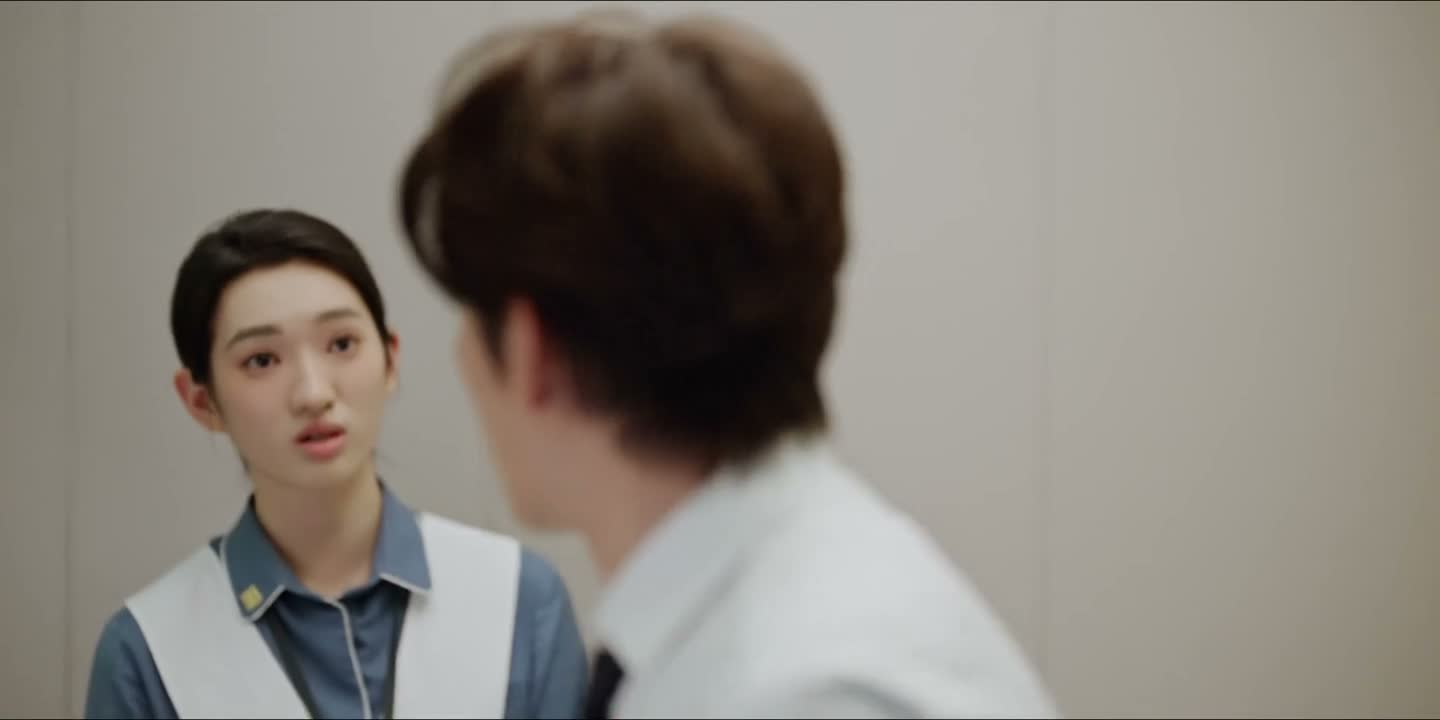
“Do you need me to unlock the door for you? ♪ Facing the unknown, lost in doubt ♪”