师父 你现在在哪儿? 我还能在哪儿?
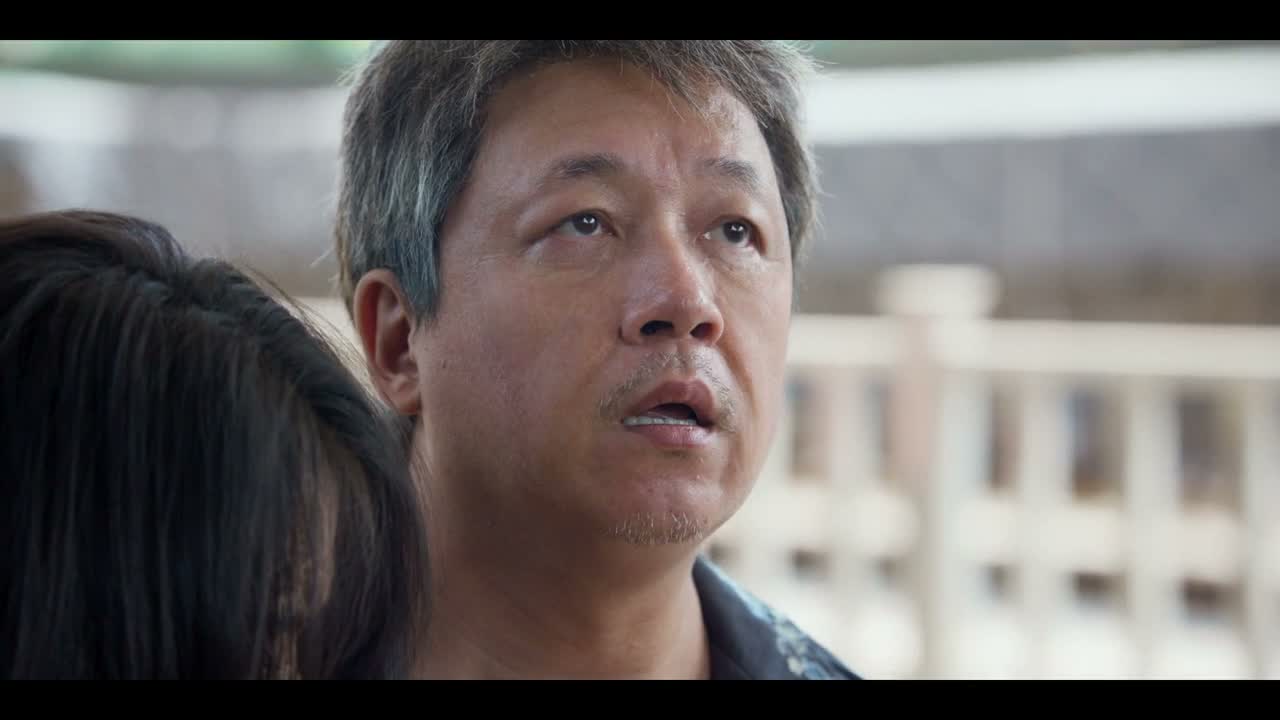
“- Sir. - It hurts. Where are you? Where else can I be?”
THE DIALOGUE REEL
- 轻点 - 闭嘴
“- Don't be so rough. - Shut up.”
师父 你现在 在哪儿 ? 我 还能在哪儿 ?
“- Sir. - It hurts. Where are you? Where else can I be?”
你先回一趟警队
“Come back to the station.”
“Where else could I possibly be? You're asking the obvious.”
In the Chinese police system and traditional industries, newcomers are typically mentored by experienced veterans ('shifu'). Beyond being colleagues or superior and subordinate, they share a deep mentor-apprentice bond and mutual responsibility.
LEARNING CHUNKS & PARTICLES
Rhetorical question meaning 'Where else could I be?', implying that one is obviously where they are expected to be and that the question is unnecessary.
A very high-frequency spoken rhetorical pattern used among close acquaintances to point out an obvious question, often carrying a slightly exasperated or helpless tone.
VOCABULARY & EXPRESSIONS
Parallel Spoken Cinema Scenes (语义近邻切片)

“Mentor, what are your thoughts now?”
“- Sir. - What is that?”

“Mentor. What is it? Are you alone?”

“Mentor, you told me”

“Mentor, are you leaving so soon? I'll be waiting for you here.”

“What are you doing? You scared us to death.”