没问题 好嘞 谢谢林镇长 那 您先忙
“No problem. Great. Thank you. I'll let you get back to work.”
THE DIALOGUE REEL
行
“Sure.”
没问题 好嘞 谢谢 林镇长 那 您先忙
“No problem. Great. Thank you. I'll let you get back to work.”
林镇长
“Mr. Lin.”
Direct spoken expression in this communicative setting.
In Chinese workplace and bureaucratic culture, people are customarily addressed by their surname followed by their administrative or professional title (e.g., 'Division Chief Zhang', 'Manager Li') to show respect and professionalism.
A classic Chinese polite parting formula used to tactfully excuse oneself and avoid taking up a superior's or elder's valuable time.
LEARNING CHUNKS & PARTICLES
alright / sure thing (cheerful agreement)
Used colloquially to accept a request or decision promptly and warmly. Common in service settings, from subordinates to superiors, or in casual peer interactions.
please go ahead with your work / I will let you get back to it
A highly frequent polite formula in workplace and social contexts, typically used to wrap up a conversation and excuse oneself while showing respect for the other person's time.
Attached to 'hao' to add a brisk, cheerful, and friendly tone to an agreement.
VOCABULARY & EXPRESSIONS
Parallel Spoken Cinema Scenes (语义近邻切片)

“Don't worry, we'll work it out.”

“Alright. Then send me an address, I'll head over right now.”

“- Don't worry. - It's fine. You handle it first.”
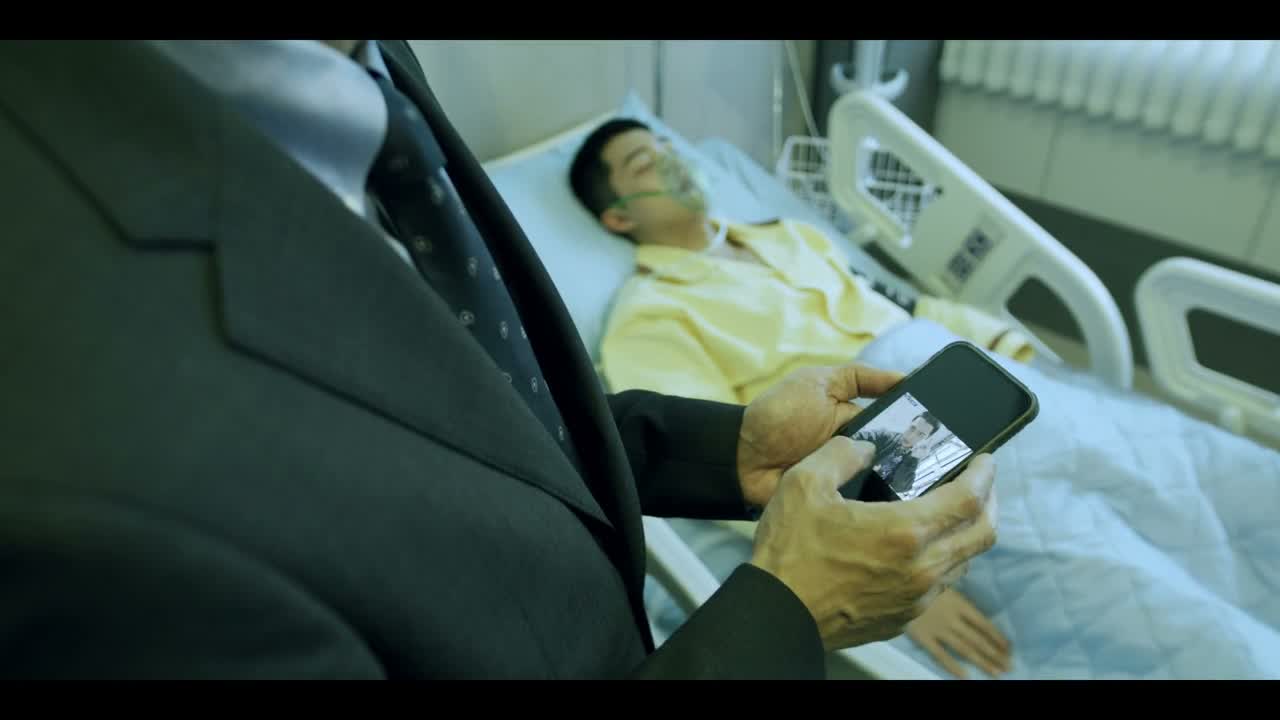
“[guard] Okay. Please sign in, then.”

“All right, you can go back now. I'll call you if anything happens.”
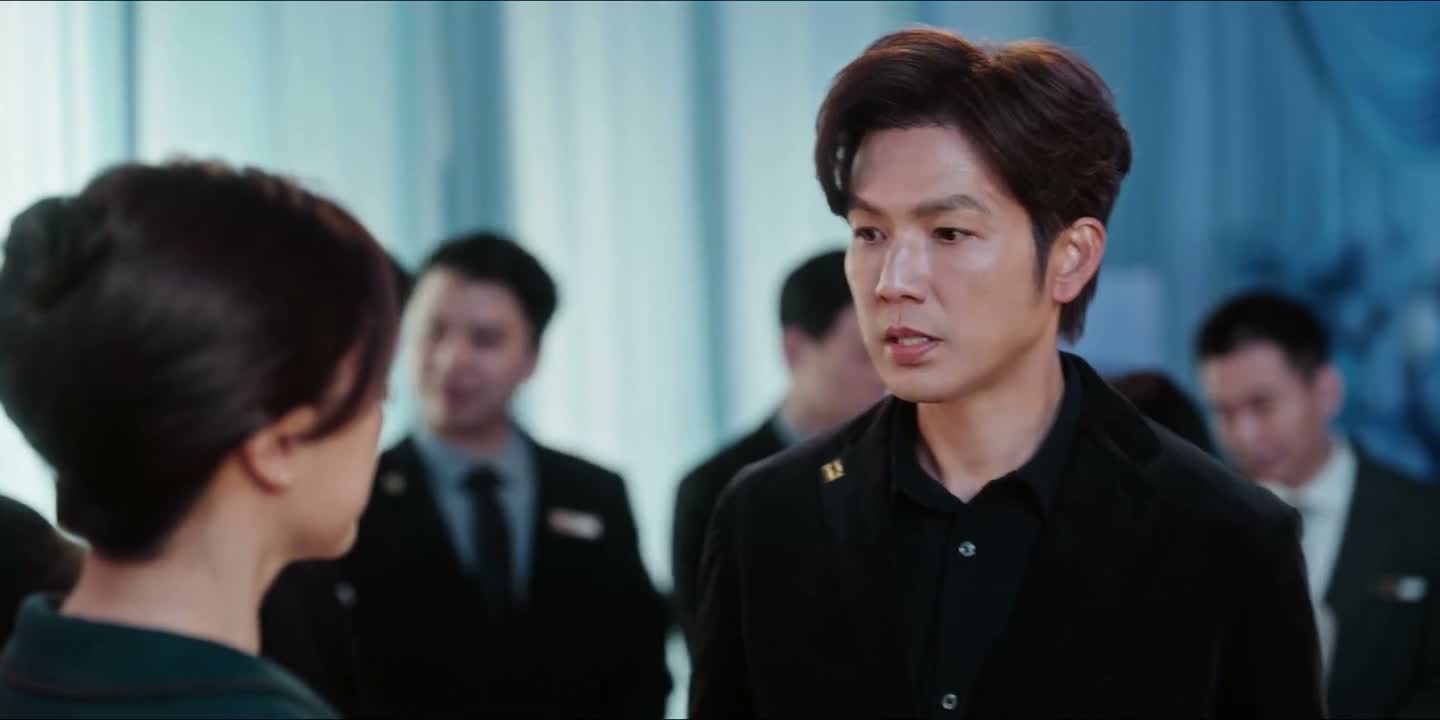
“Okay. Call me anytime if there's a problem.”