这明明不是可以写得很好吗 早上点心
“You clearly can write well. If you'd put in this effort earlier,”
THE DIALOGUE REEL
那会是谁呢
“Who could it be?”
这 明明 不是 可以 写得很好 吗 早 上点心
“You clearly can write well. If you'd put in this effort earlier,”
可以少挨多少骂 是 那也不是您 教导有方
“you wouldn't have been scolded so much. Yes, that's all thanks to your guidance.”
“You clearly can do a great job—why can't you just put in some effort from the start instead of waiting to be scolded?”
Reflects the hierarchical dynamic and newcomer experience in Chinese workplace culture. Managers often use harsh criticism ('scolding') to drive results, making 'getting scolded less' a colloquial goal for avoiding mistakes and adapting to the job.
LEARNING CHUNKS & PARTICLES
clearly capable of doing something or obviously true; used to express reproach through a rhetorical question
A highly frequent colloquial rhetorical pattern used to point out an obvious fact in order to refute or reproach someone.
to pay more attention; to take something more seriously
A very common expression in Northern Mandarin and office settings, typically used by superiors or elders to remind someone to be more diligent, focused, and responsible.
to instruct with skill; to guide effectively
Commonly used as a polite compliment toward teachers, elders, or leaders, often carrying a touch of flattery or lighthearted banter.
used at the end of a sentence to form a rhetorical question, reinforcing an accusatory tone and demanding acknowledgment
VOCABULARY & EXPRESSIONS
Parallel Spoken Cinema Scenes (语义近邻切片)
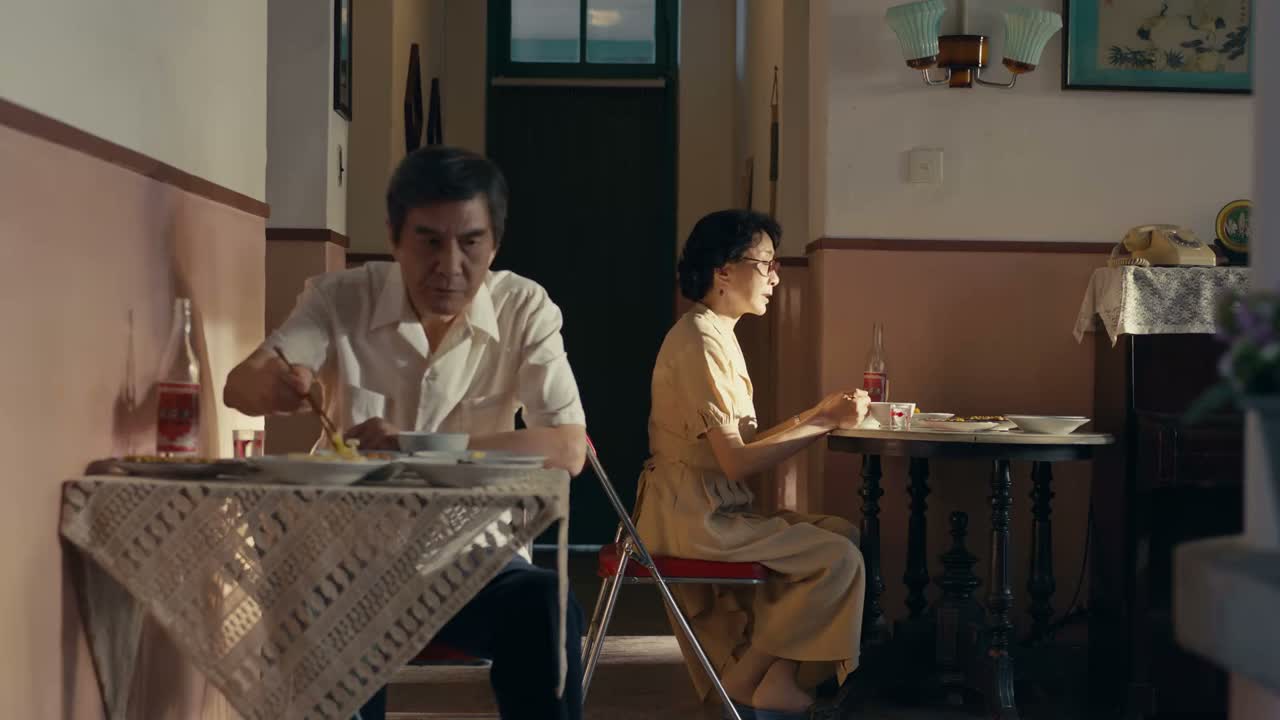
“Whether the writing is good comes second.”

“Not bad. I knew there couldn't be anything seriously wrong with it.”
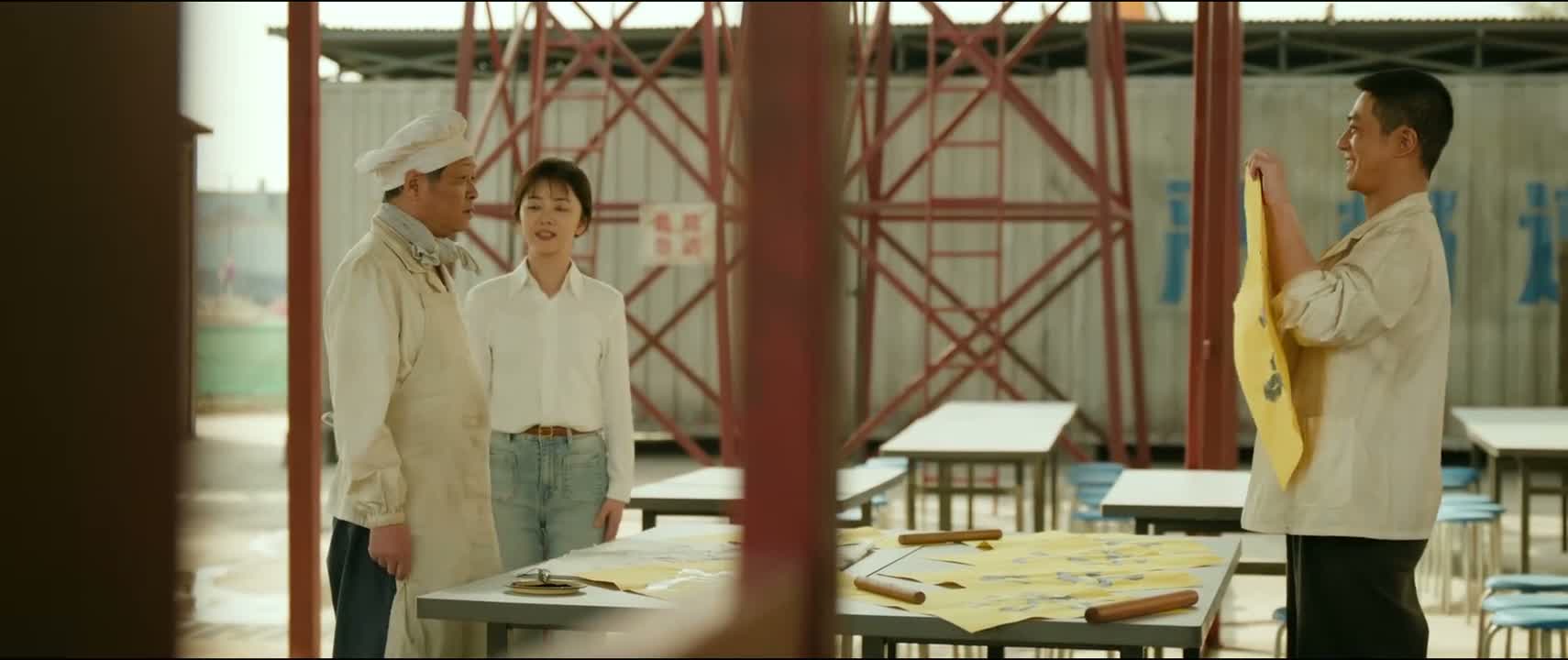
“It's not great. Will this do?”

“I wrote it too well.”

“You're saying he writes better than I do? Of course.”

“Haven't you been doing well? You don't need me.”