宁可抱香枝上老
“[On Choosing a Husband] "I'd rather grow old clinging to a fragrant branch”
THE DIALOGUE REEL
就是那句
“wanted to say was this... [On Choosing a Husband] "I'd rather grow old clinging to a fragrant branch”
宁可 抱香枝上 老
“[On Choosing a Husband] "I'd rather grow old clinging to a fragrant branch”
不随黄叶舞秋风
“than dance with yellow leaves in the autumn wind."”
“I would rather wither away holding onto my dignity and principles than compromise myself to flatter power.”
In classical Chinese culture, the chrysanthemum is one of the 'Four Gentlemen' plants, symbolizing literati integrity, resilience against frost, and unyielding fortitude. This poetic line comes from the Song Dynasty poem 'Drawing Chrysanthemums' (or 'Winter Chrysanthemums') by Zheng Sixiao, and was famously adopted by Shen Meizhuang in the TV drama 'Empresses in the Palace' as her life creed, embodying noble aloofness and an absolute refusal to flatter or compromise.
LEARNING CHUNKS & PARTICLES
Indicates a firm choice made after weighing options, preferring the former rather than accepting the latter ('would rather... than...').
An advanced written and spoken correlative structure, often used to assert determination or a moral baseline.
Describes chrysanthemum petals clinging to the branch even in wither, retaining fragrance without falling.
Originates from Zheng Sixiao's Song Dynasty poem 'Winter Chrysanthemums', metaphorically praising noble character and unyielding moral integrity.
VOCABULARY & EXPRESSIONS
Parallel Spoken Cinema Scenes (语义近邻切片)
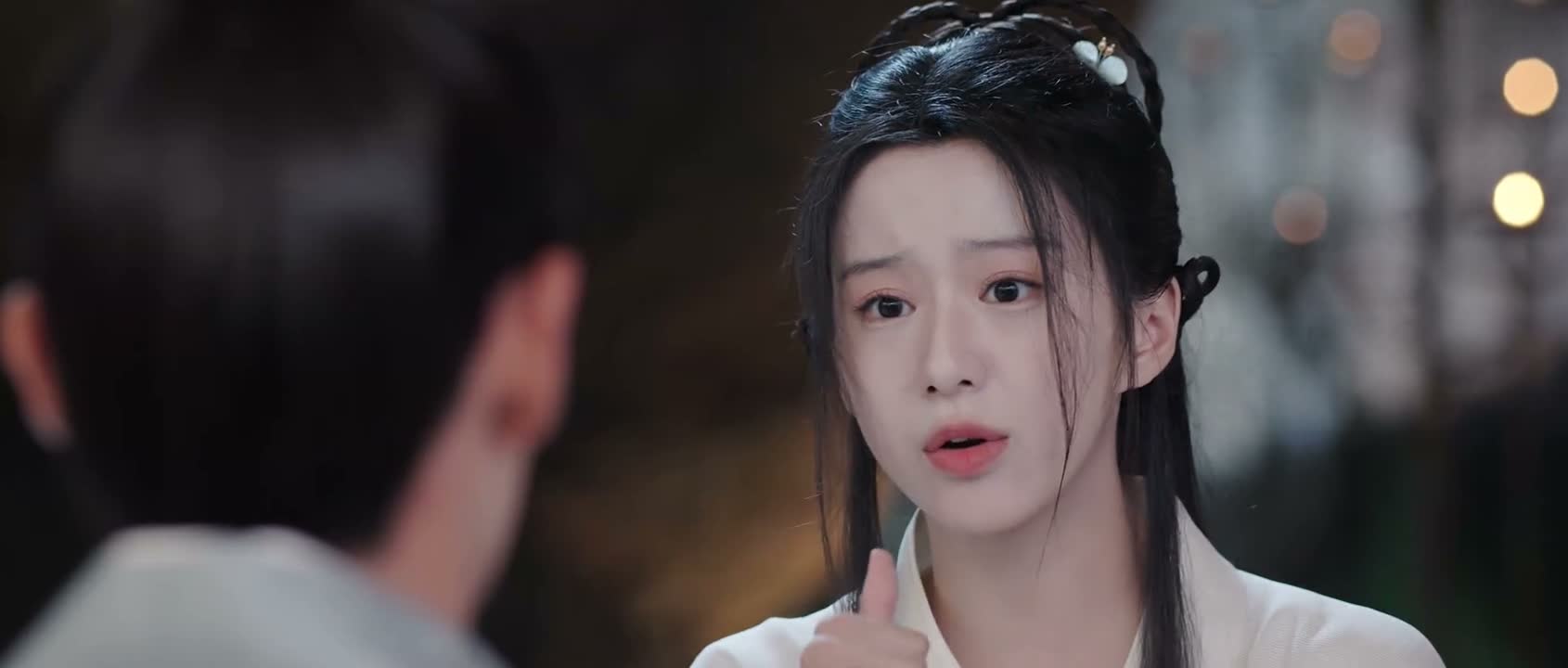
“depends on me.”

“just because he wants someone to carry on his family name.”

“Later, go offer incense for your father.”
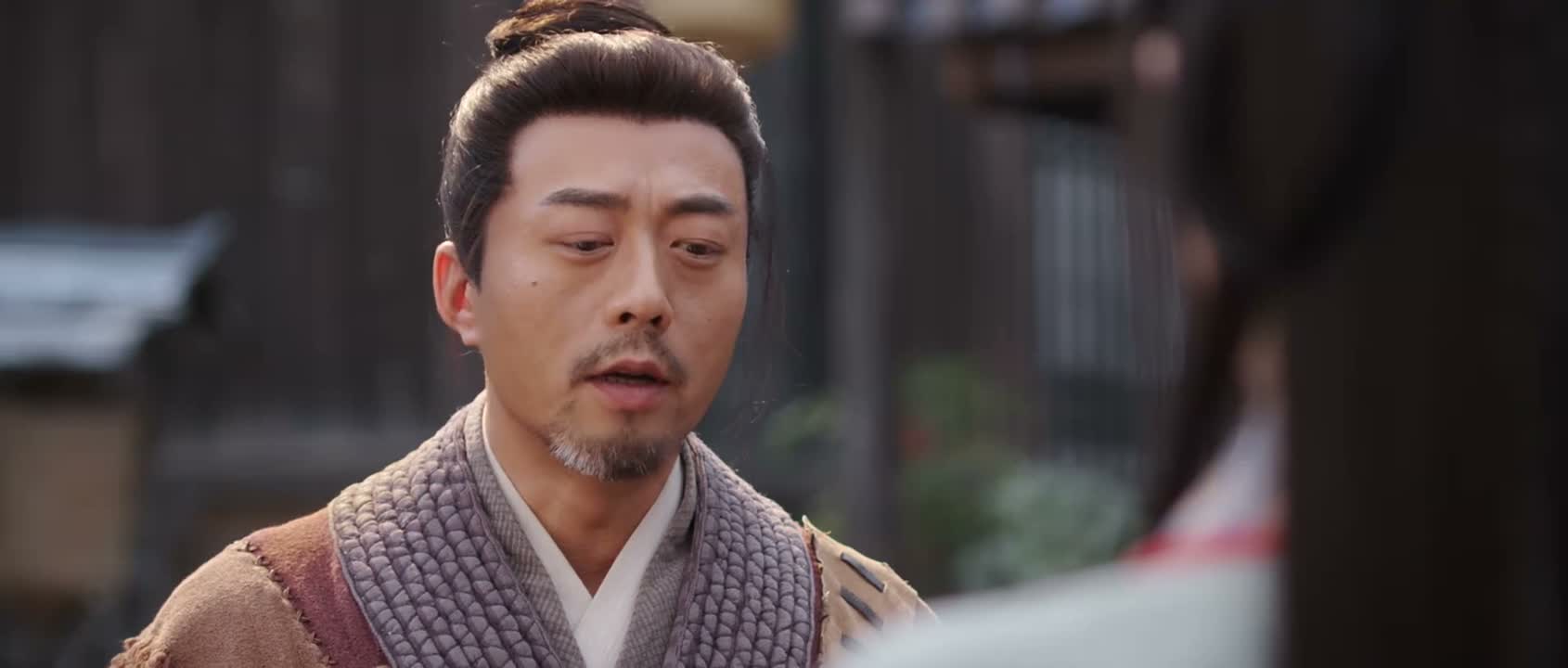
“light incense for your aunt on my behalf.”
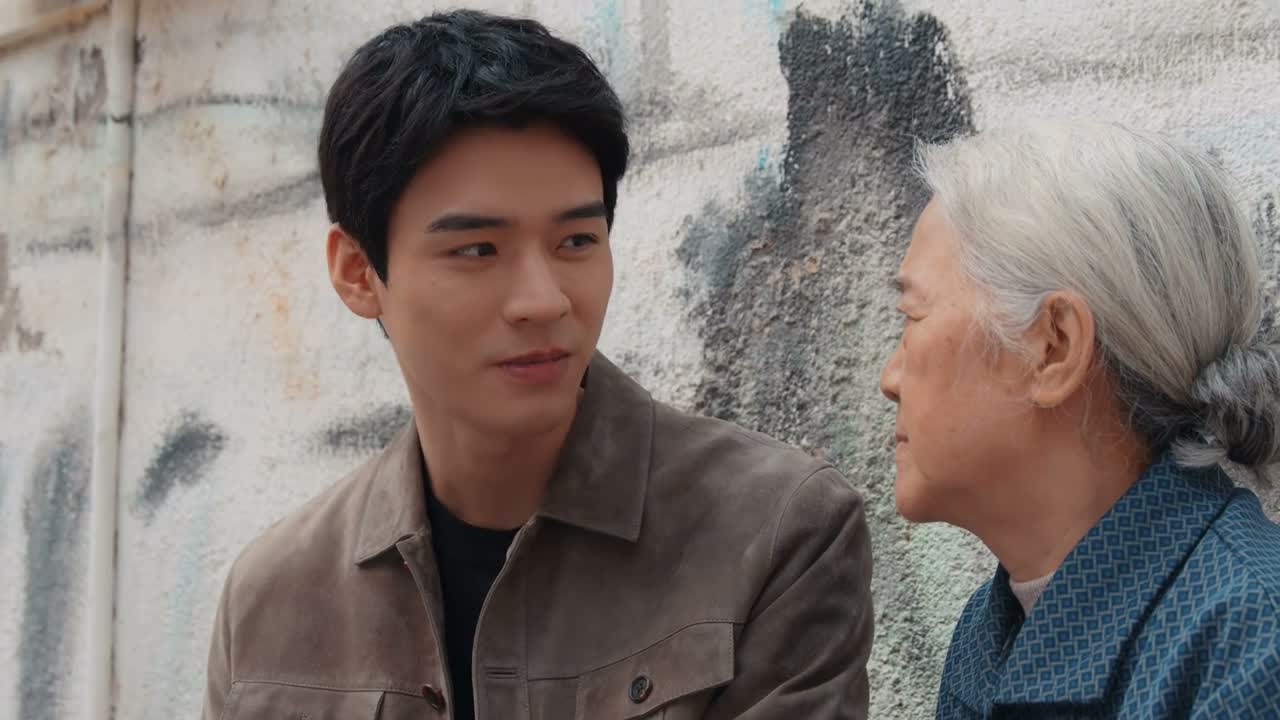
“Xiang must have had a hard time growing up.”

“burn incense for my mom, asking her to go and bless them.”