兮兮是不是出什么事了
“Is something wrong with Xi?”
THE DIALOGUE REEL
我不知道啊
“I have no idea.”
兮兮 是不是 出什么事了
“Is something wrong with Xi?”
我刚才去找她的时候
“I went to find her just now.”
“Has something bad happened to Xixi? I'm really worried about her.”
In daily Chinese communication, repeating a character from someone's given name (such as 'Xixi') to address friends, peers, or younger people conveys closeness, informality, and warmth.
LEARNING CHUNKS & PARTICLES
to have an accident, mishap, or misfortune occur
A high-frequency colloquial term often used in phrases like 'chu shenme shi le' (what went wrong?) or 'chu da shi le' (something major happened), expressing concern or inquiring about an unexpected problem.
whether something has already happened
Used to make an inclined guess or question, where the sentence-final 'le' emphasizes a change of state or the likelihood that it has already become a reality.
Placed at the end of a sentence to mark a change of state or completion, here reinforcing the sense that the suspected situation may have already come true.
VOCABULARY & EXPRESSIONS
Parallel Spoken Cinema Scenes (语义近邻切片)

“What happened? Just tell me.”

“If something really goes wrong,”
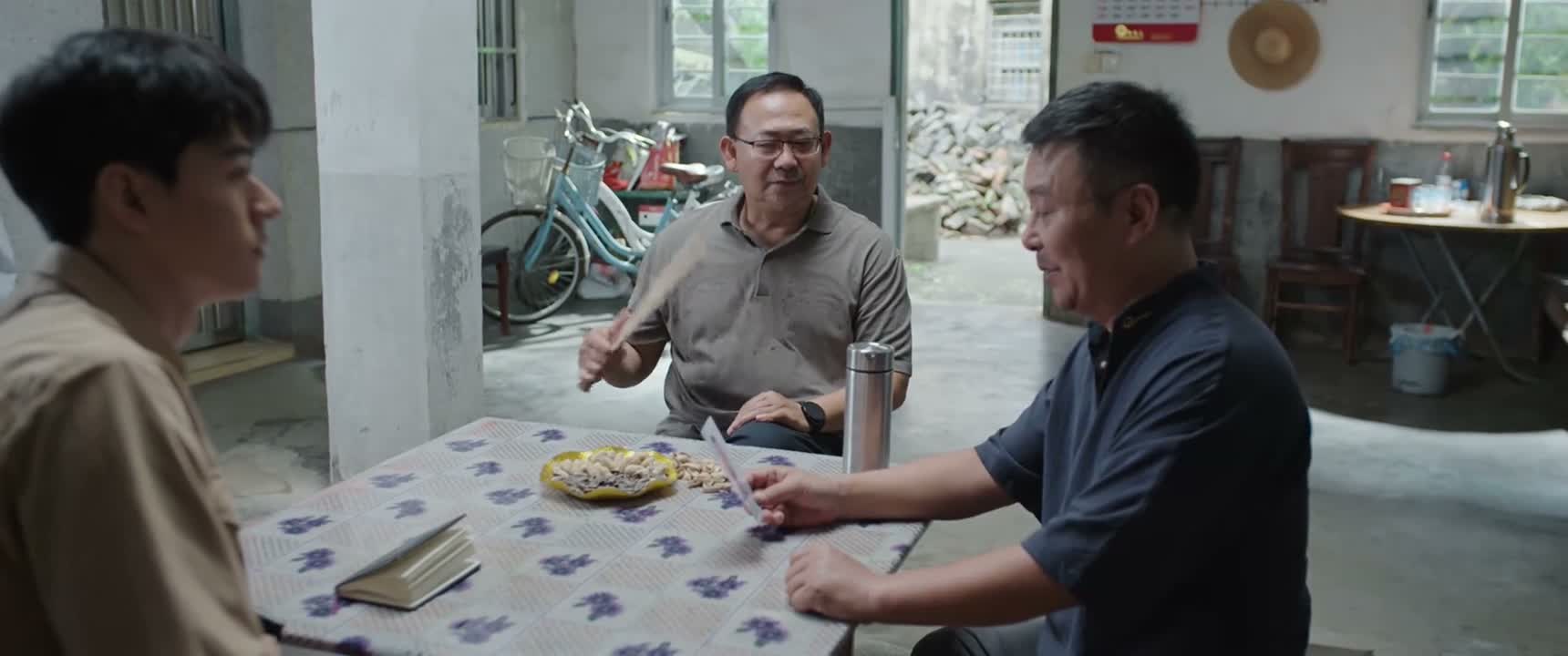
“What happened to him?”

“What happened now?”

“Has something happened again?”
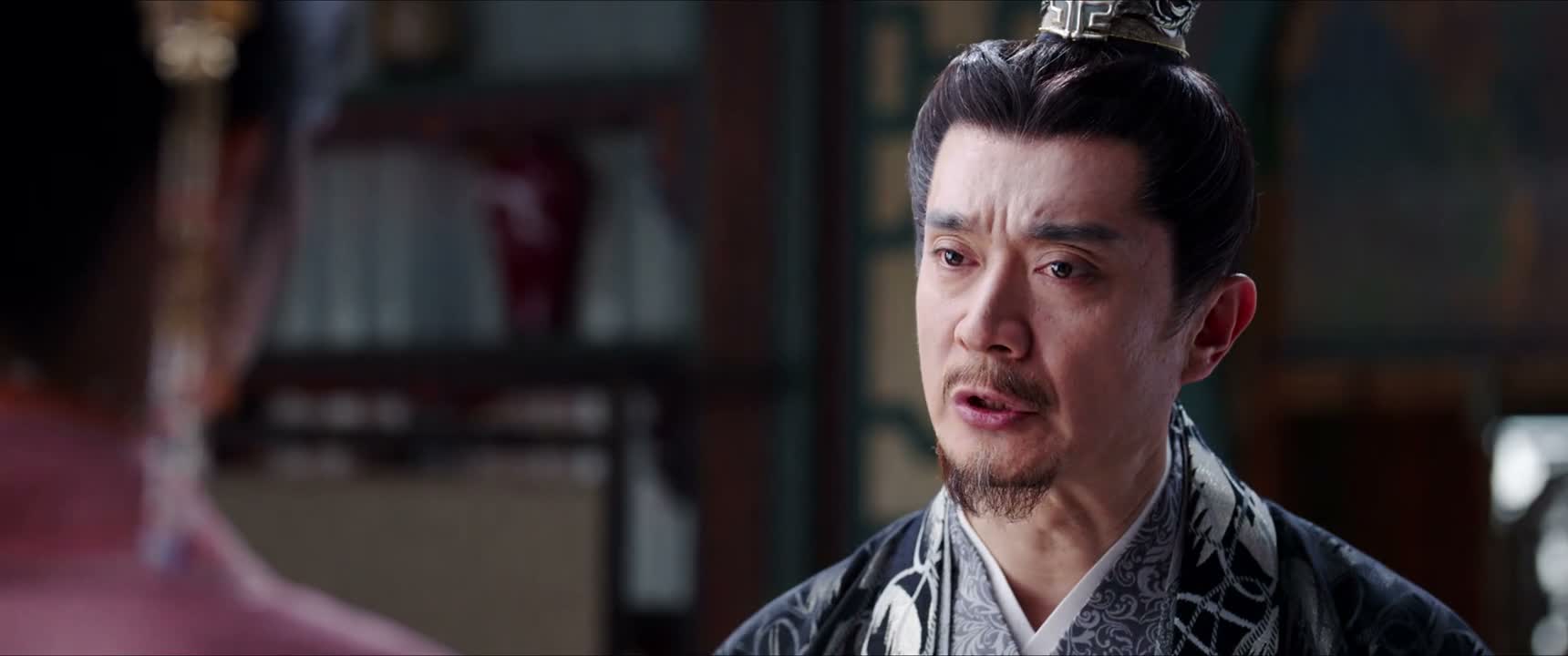
“What exactly happened?”