不是 老婆你 别 别不要我呀
“Come on, honey. Don't leave me behind.”
THE DIALOGUE REEL
“I'll go over to Hongjing's side. Restrain yourself.”
不是 老婆 你 别 别不要我 呀
“Come on, honey. Don't leave me behind.”
老婆 你跟来干嘛呀 一人支持一个 你支持女儿啊
“-Honey. -What are you doing here? We each support one side. You support our daughter,”
“Come on honey, don't give up on me—please don't leave me behind!”
In contemporary Chinese domestic culture, a husband showing vulnerability or acting playfully submissive toward his wife—often with humor—is a common dynamic to defuse marital conflicts and express affection and respect.
LEARNING CHUNKS & PARTICLES
don't leave me / don't abandon me
Commonly used between couples or spouses to act cute and seek reconciliation; it exaggerates helplessness to express dependence rather than implying literal separation.
Used at the end of a sentence to soften the tone, conveying playful pleading and reducing perceived urgency.
VOCABULARY & EXPRESSIONS
Parallel Spoken Cinema Scenes (语义近邻切片)

“No, no! You know”

“-No, no, no. -No, no, no. That's really not necessary, Your Highness.”

“Wait, Mom. Could you reconsider?”
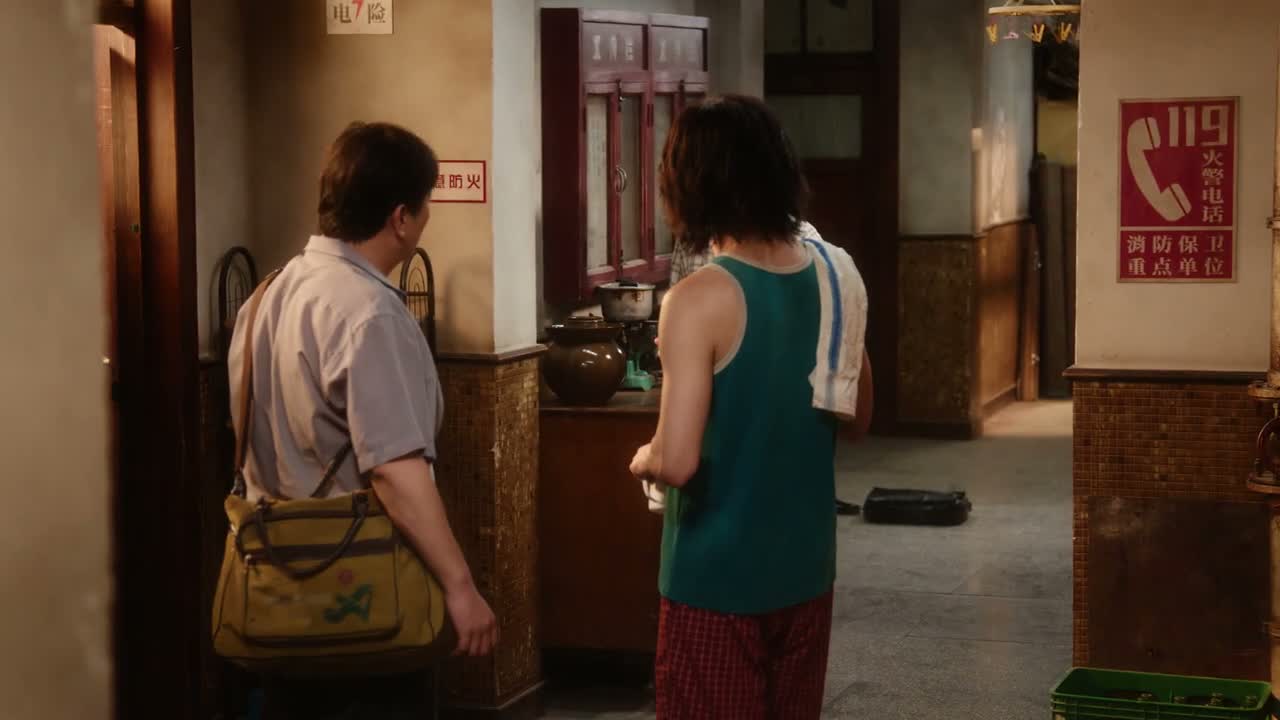
“[119 Firefighter Hotline] Don't! Don't! What are you doing?”

“Your wife won't let it go either, right?”

“I don't want my wife to suffer any injustice out there.”