您是恒久董事长 这样不好看 影响不好 就是
“You are the chairman of Hengjiu. It doesn't look good. -It's not appropriate. -Yeah.”
THE DIALOGUE REEL
你管谁叫岳父呢
“Who are you calling father-in-law?”
您是恒久 董事长 这样 不好看 影响不好 就是
“You are the chairman of Hengjiu. It doesn't look good. -It's not appropriate. -Yeah.”
对 是不好
“Right, it's not appropriate.”
“You have a corporate reputation to protect, so don't make an embarrassing scene here.”
Chinese culture places great importance on 'mianzi' (face) and social status (such as that of a company chairman). When advising someone of high standing or someone who is angry, appealing to dignity or reputation allows one to tactfully de-escalate the situation and avoid direct confrontation.
LEARNING CHUNKS & PARTICLES
undignified, unseemly, or embarrassing
Commonly used in spoken Chinese to tactfully dissuade someone from making a scene or acting inappropriately.
creating a bad impression or harming one's reputation
Frequently used in workplace or public settings as a justification to urge someone to protect their image.
Used to echo agreement or add emphasis, seeking alignment and reinforcing persuasive advice.
VOCABULARY & EXPRESSIONS
Parallel Spoken Cinema Scenes (语义近邻切片)

“Hengjiu will be a better place for you to showcase your talents.”

“Hengjiu... Do we know each other?”

“Did Hengjiu send him to check out our tactics? Yes, report him directly”
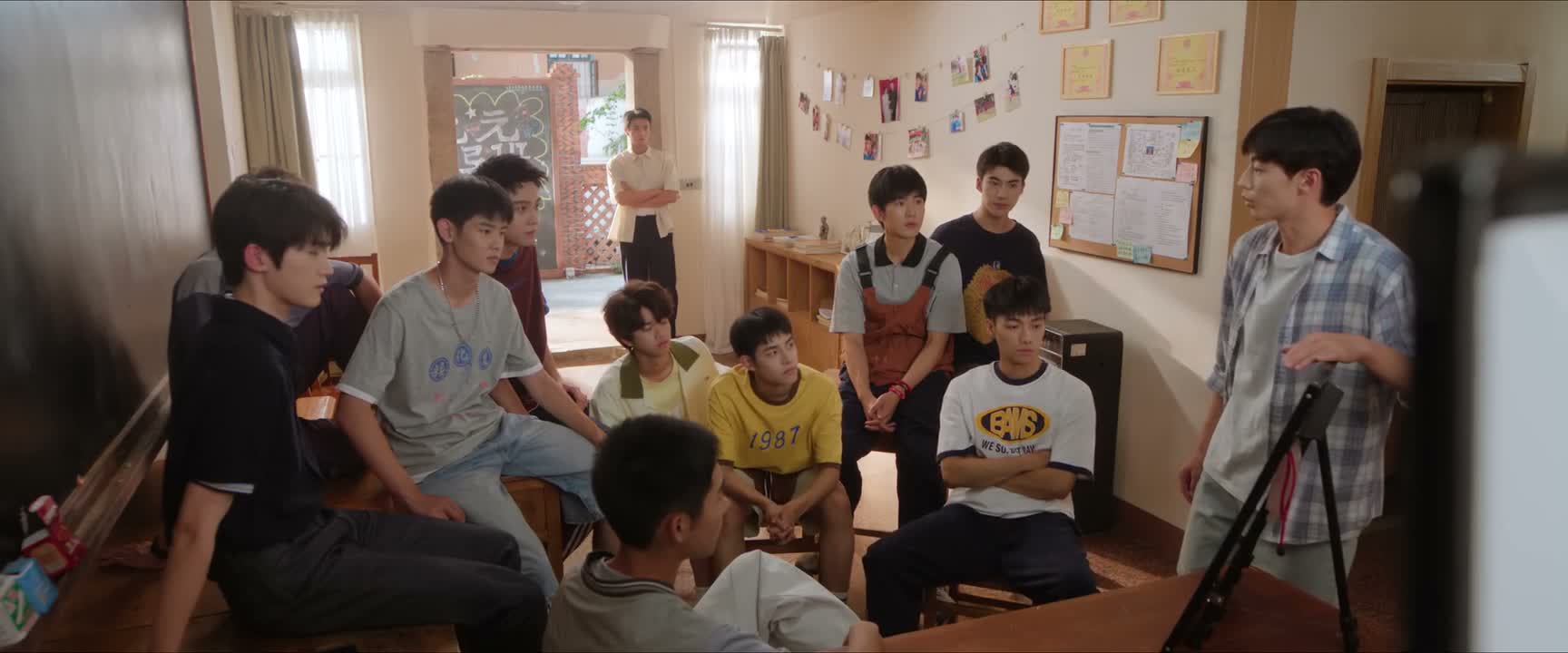
“That way, we won't panic and let Yongchuan Hengjiu throw us off our game.”
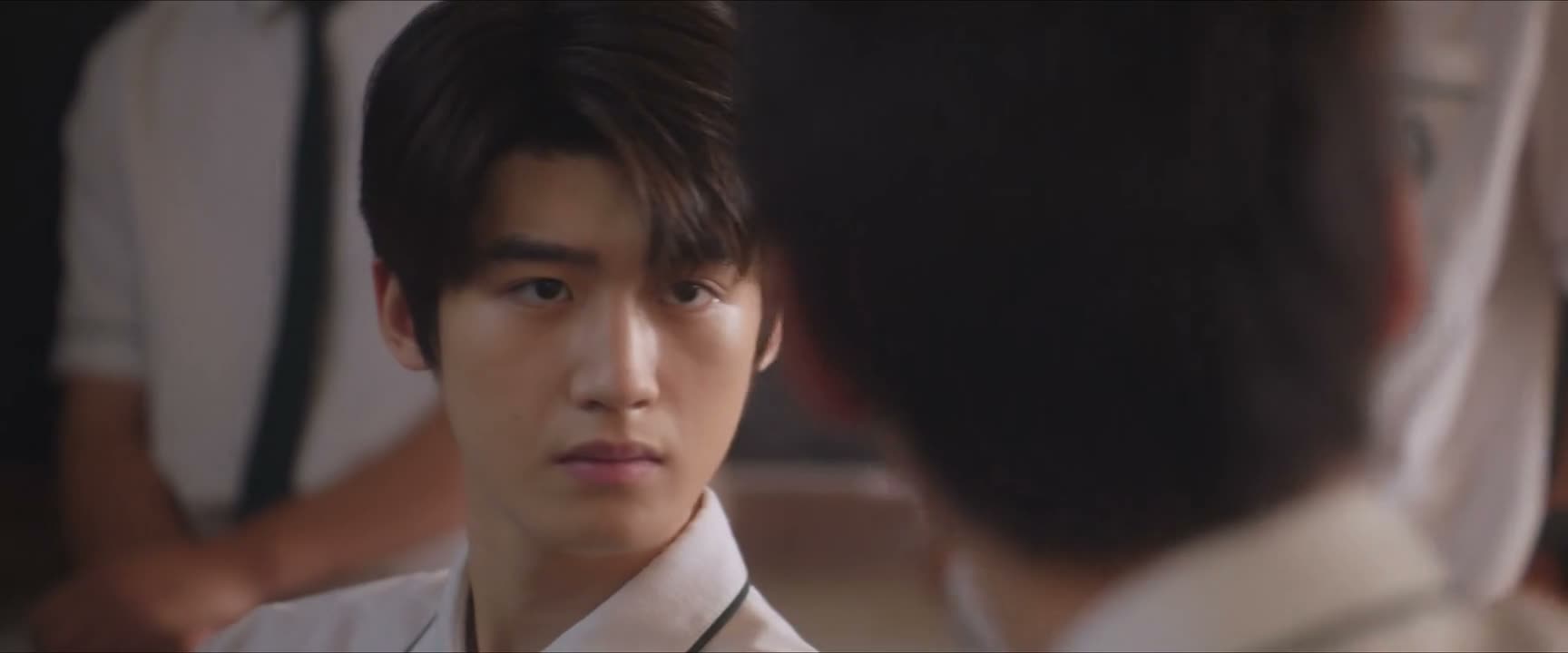
“I've checked Hengjiu's info. In this league,”
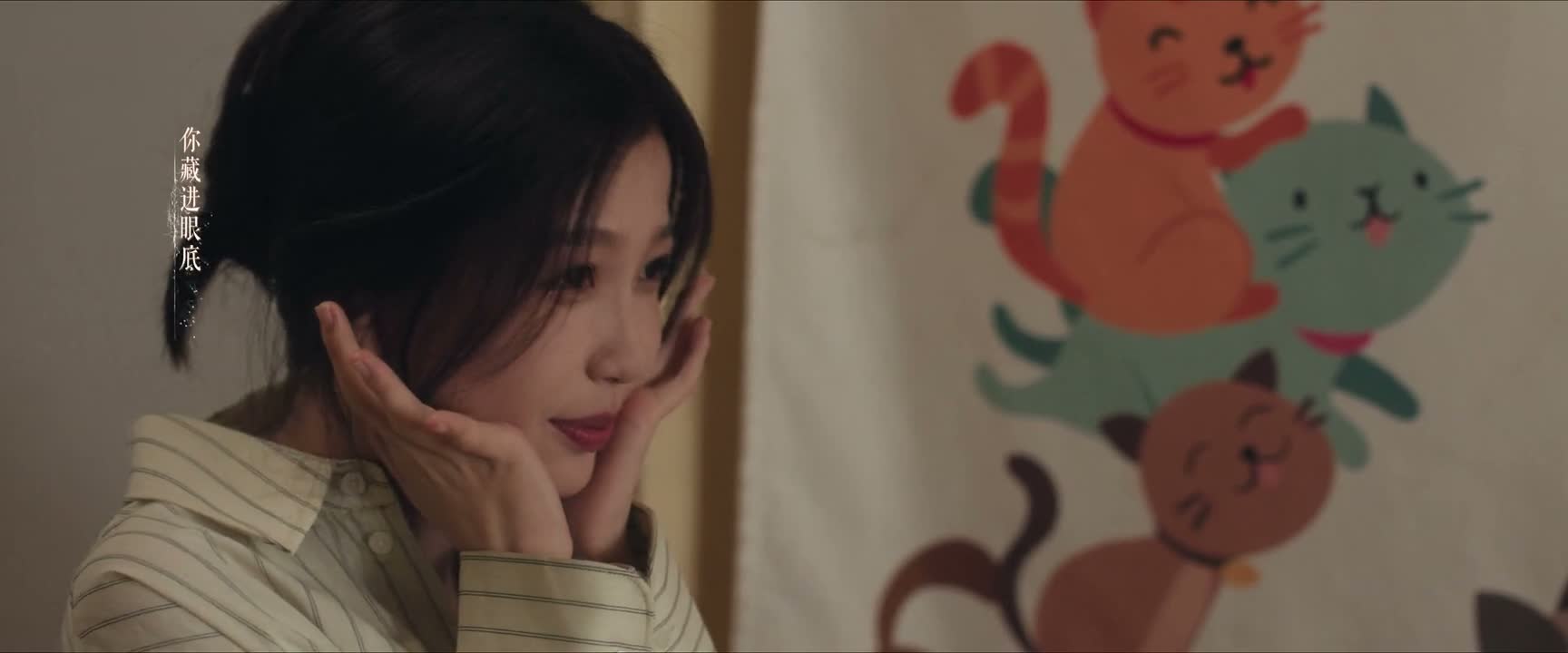
“♪ You hid in my eyes ♪ Did Yongchuan Hengjiu reject you?”