所以没办法 来现场帮你们加油助威
“so I can't come to the game to cheer you on.”
THE DIALOGUE REEL
小礼老师 小礼老师 鞠礼老师是因为今天有演出
“-Ms. Ju. -Ms. Ju. I have a performance today,”
所以 没办法 来现场 帮你 们 加油助威
“so I can't come to the game to cheer you on.”
但你们一定要赢 要争气明白吗 不然的话就
“But you must win and make us proud, understand? Otherwise... [Microphone on] [Speaker on] [Camera off]”
“Even though Teacher Ju couldn't be here in person to cheer you on, everyone still has high hopes for you, so don't let anyone down.”
In show business and modern workplaces, 'laoshi' (teacher) is frequently used as a respectful title for peers, seniors, or technical professionals, not just educators.
LEARNING CHUNKS & PARTICLES
to cheer on; to boost morale for competitors
Frequently used at competitions, performances, or major events to express active moral support.
can't be helped; having no choice
A highly frequent colloquial expression used to explain being unable to do something due to objective constraints.
VOCABULARY & EXPRESSIONS
Parallel Spoken Cinema Scenes (语义近邻切片)

“So I probably won't be able to go and cheer for you guys in person that day.”

“(I have no other choice) (but to write to you.) (I really need your help.)”

“But I have no choice.”

“I have no choice. Neither do you?”

“I had no choice but to push you a little.”

“I had no choice, so I came looking for you.”

“This is the only way.”
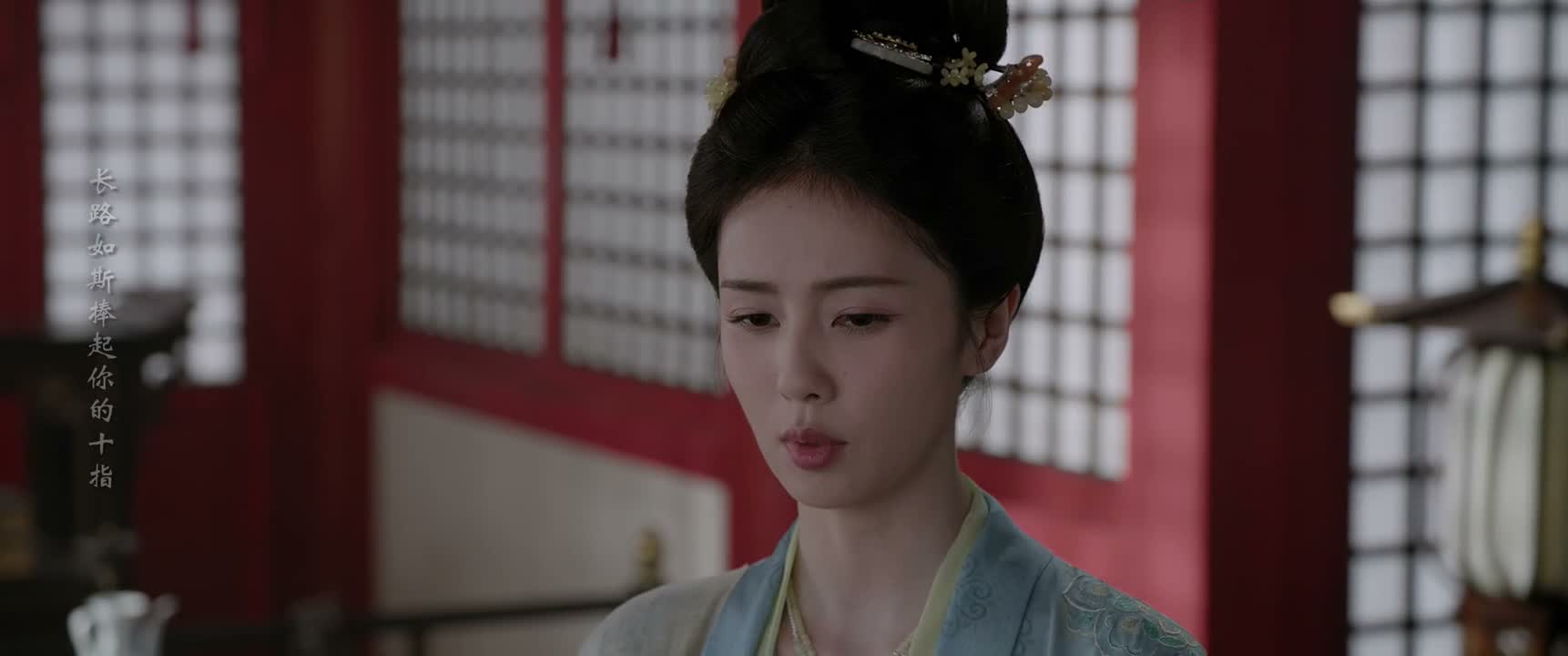
“I had no choice but to push you a little.”

“Is there really nothing we can do?”

“But we had no choice. Say whatever you want.”