你也让我亲自动手啊 再说了 不是你请客吗
“to grill the meat myself? Besides, aren't you treating?”
THE DIALOGUE REEL
“I've already degraded myself this much for you. And now you even expect me”
你也让我 亲自动手 啊 再说了 不是你请客吗
“to grill the meat myself? Besides, aren't you treating?”
“Show some hospitality as a host, okay?”
“You're supposed to be hosting—stop making me do the work and grill the meat for me!”
In Chinese dining culture, 'qingke' (treating or playing host) entails more than just paying the bill; it also traditionally involves attending to the guests' needs throughout the meal, such as ordering dishes, pouring drinks, or even grilling food for them.
LEARNING CHUNKS & PARTICLES
to do something oneself; to lift a finger
Commonly used in spoken Chinese to emphasize that one shouldn't have to or doesn't want to do the physical task oneself, often paired with 'rang/yao... dongshou'.
besides; furthermore; what is more
A very high-frequency spoken transition used to append an even more persuasive justification after an initial reason.
to treat someone; to pick up the tab; to play host
A core Chinese social concept referring to taking on the role and cost of hosting, where the host is typically expected to attend to the guests.
Placed at the end of a sentence to intensify a rhetorical or complaining tone, conveying disbelief or playful petulance.
Forms a rhetorical question pattern ('bushi... ma') to remind the listener of a supposedly obvious fact.
VOCABULARY & EXPRESSIONS
Parallel Spoken Cinema Scenes (语义近邻切片)

“My treat, of course.”

“- Or did you do it yourself? - How could that be?”

“How could I trouble you to do it yourself?”

“Why do it yourself?”
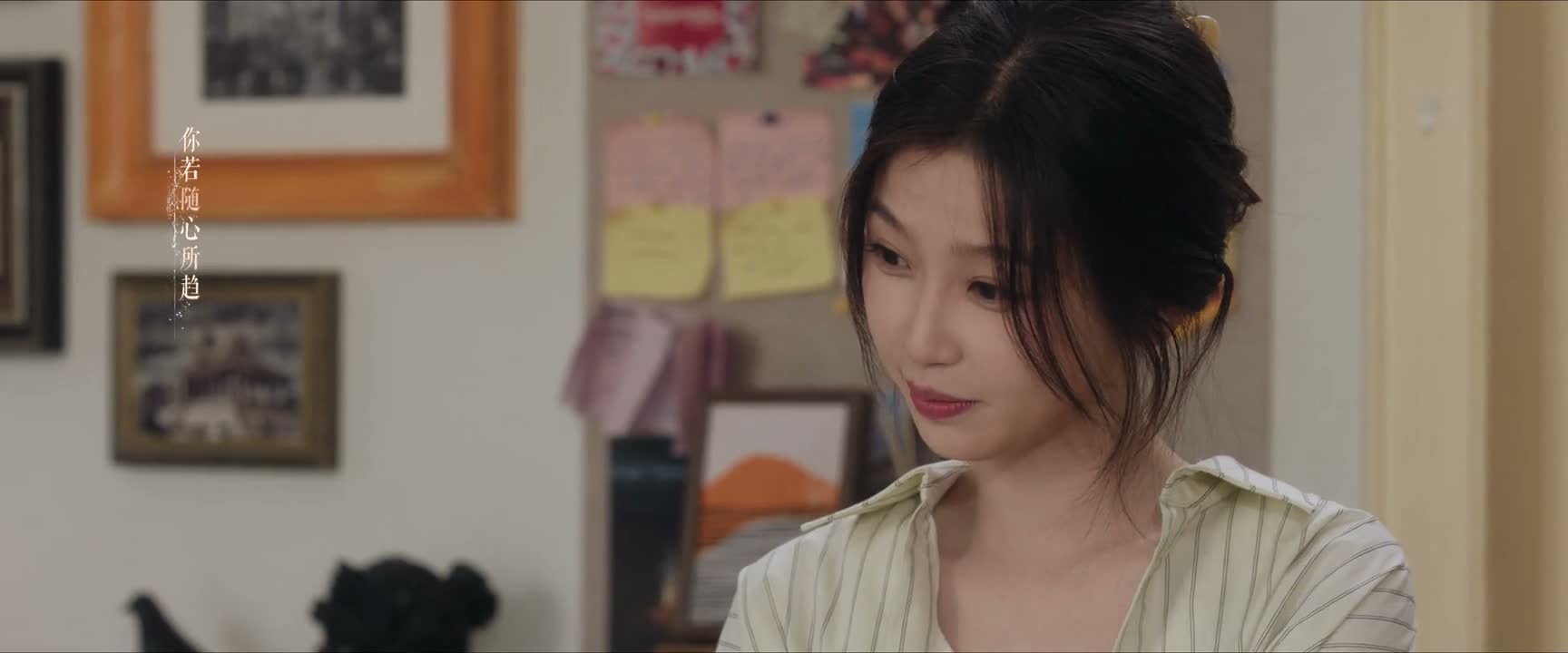
“♪ If you follow your heart ♪ It's my treat. I'll treat.”

“If you mind it, we can pick up the tab.”